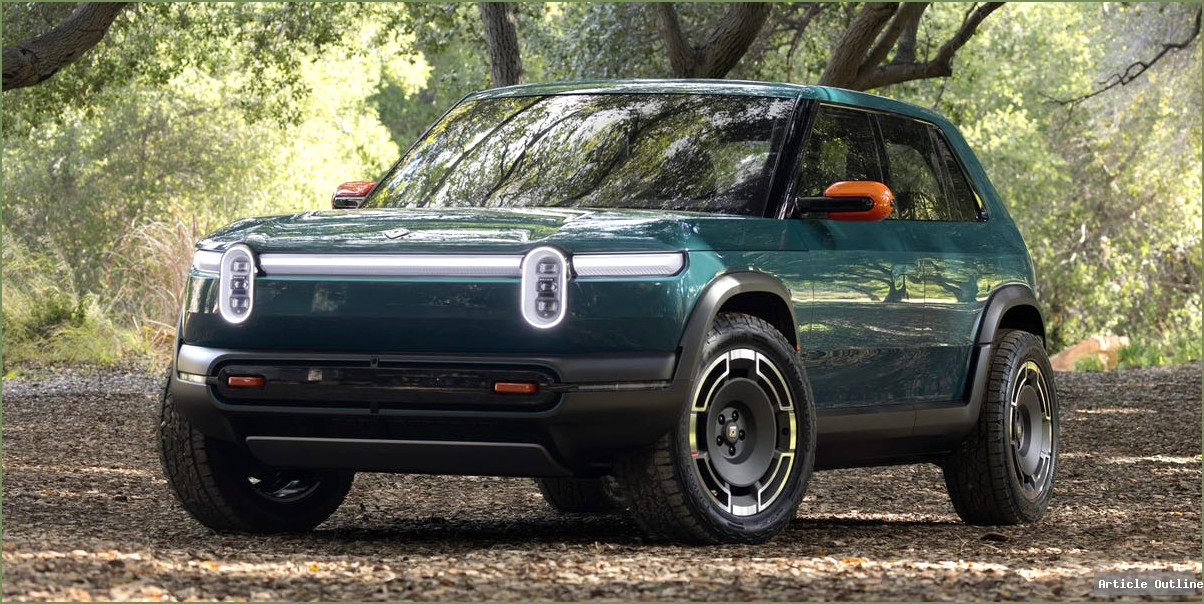
Rivian fans itching for the high-octane R3X are going to have to keep their motors running a little longer. CEO RJ Scaringe just confirmed the performance-tuned R3X won’t hit the streets until “a couple of years” from now, pushing likely production into 2028. But this delay isn’t just another case of an automaker hitting the snooze button—it’s a revealing moment for Rivian, the EV industry, and the next era of affordable electric performance cars.
Why This Matters
- Rivian’s timing on the R3X is a bellwether for the entire EV startup ecosystem. Delays like this often hint at deeper strategic shifts or financial pressures that go beyond supply chain hiccups.
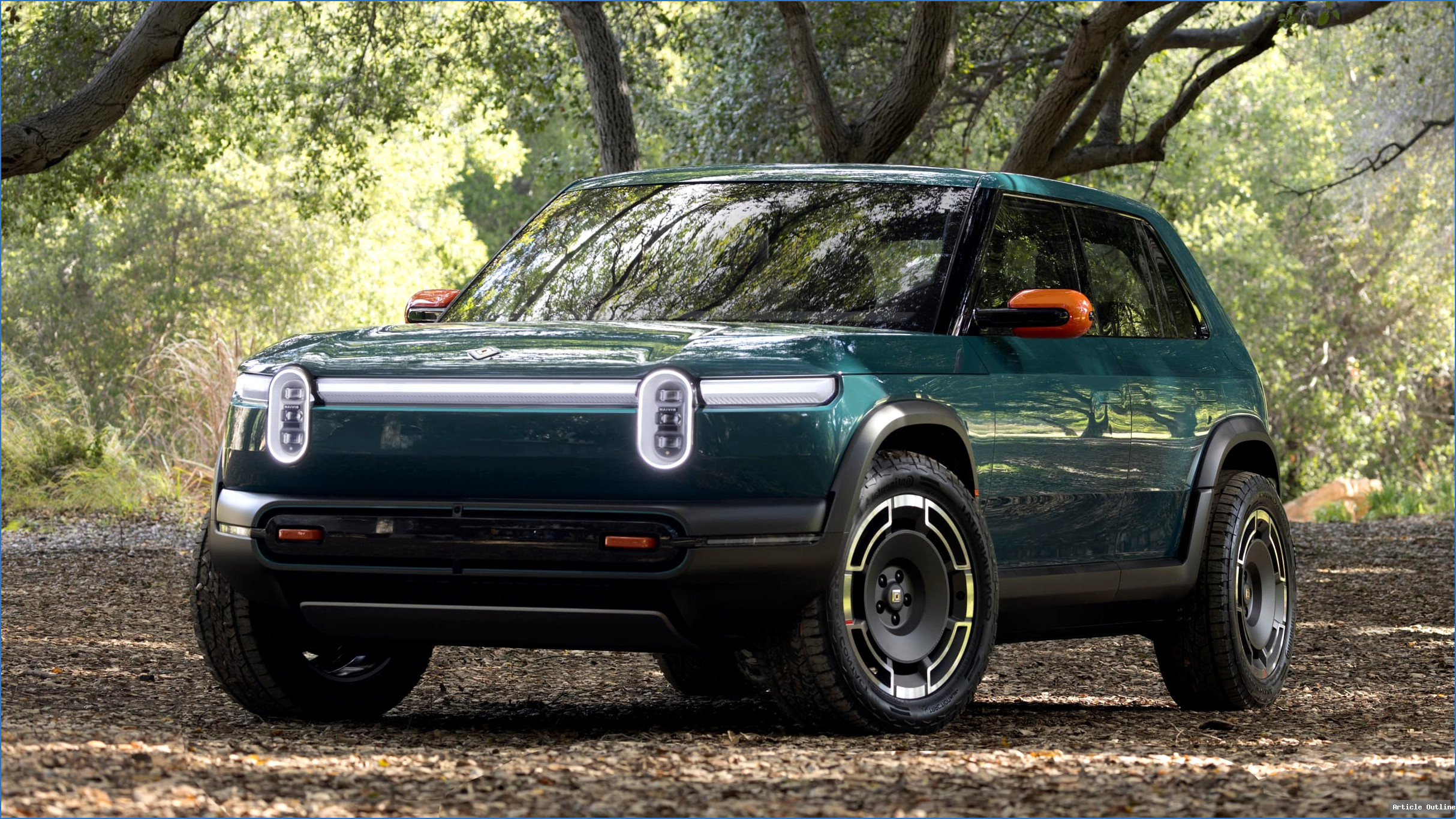
- The R3X isn’t just another model. It represents Rivian’s push to prove that affordable, high-performance EVs can exist outside Tesla’s shadow. The R3X is set to be smaller, more playful, and potentially more accessible than most rivals.
- A new factory in Georgia is at the heart of this wait. Rivian’s Atlanta-area plant (planned capacity: 300,000 vehicles/year) is the linchpin for both the R2 and the R3/R3X. The ramp-up here will set the pace for Rivian’s next decade.
Key Takeaways
- Production of the R3X now expected around 2028, with sales likely for the 2029 model year.
- R3X will ride on a shorter wheelbase than the R2, feature a tri-motor setup, and get off-road tweaks (wider tires, higher ground clearance).
- Pricing is still speculative, but insiders expect the regular R3 to start in the mid-$30,000s and the R3X at $45,000+.
- Rivian is betting big on the Georgia factory start-up to hit these targets.
What Most People Miss
- This isn’t just about one car—it’s about Rivian’s survival strategy. Building affordable, mass-market EVs is a make-or-break move for the company. The R3X delay signals careful resource allocation as Rivian avoids overextending before its new plant is operational.
- The R3X’s hatchback-inspired design and potential sub-$50k price point are a shot at a market Tesla has yet to conquer. If Rivian nails the execution, they could own the “affordable performance EV” crown.
- Rivian’s move also reflects broader industry trends—virtually every EV startup from Lucid to Fisker is facing delays, cost overruns, and strategic pivots as the post-pandemic landscape shifts.
Timeline of Events
- 2024: Rivian unveils R2 (compact SUV), R3, and R3X.
- 2026: R2 deliveries to begin.
- 2028 (expected): Georgia factory operational, R3X production starts.
- 2029: R3X likely available to customers.
Pros and Cons of the Rivian R3X Delay
- Pros:
- Ensures better production quality and supply chain stability.
- Allows Rivian to gather real-world feedback from R2 launches.
- Leverages new factory efficiencies for cost control.
- Cons:
- Risk of losing early adopter momentum to competitors.
- Customers may get tired of waiting and jump to other brands.
- Potential for market shifts—what’s hot today may not be in 2029.
Industry Context & Comparison
Rivian isn’t alone in pushing back launch dates. Both legacy and startup automakers are reevaluating EV rollouts as battery costs, charging infrastructure, and consumer demand fluctuate. For context:
- Tesla’s compact hatchback remains vaporware despite years of rumors.
- Ford paused on new EV rollouts to focus on profitability.
- Lucid and Fisker have both delayed mass-market models due to cash crunches.
The Bottom Line
The R3X delay is more than a calendar update—it’s a strategic pause that could decide Rivian’s future. If the new Georgia factory delivers, Rivian could leapfrog competitors with a genuinely fun, affordable EV. But if the delays drag on, the market might move on. For now, patience is the name of the game—and the EV world is watching closely.