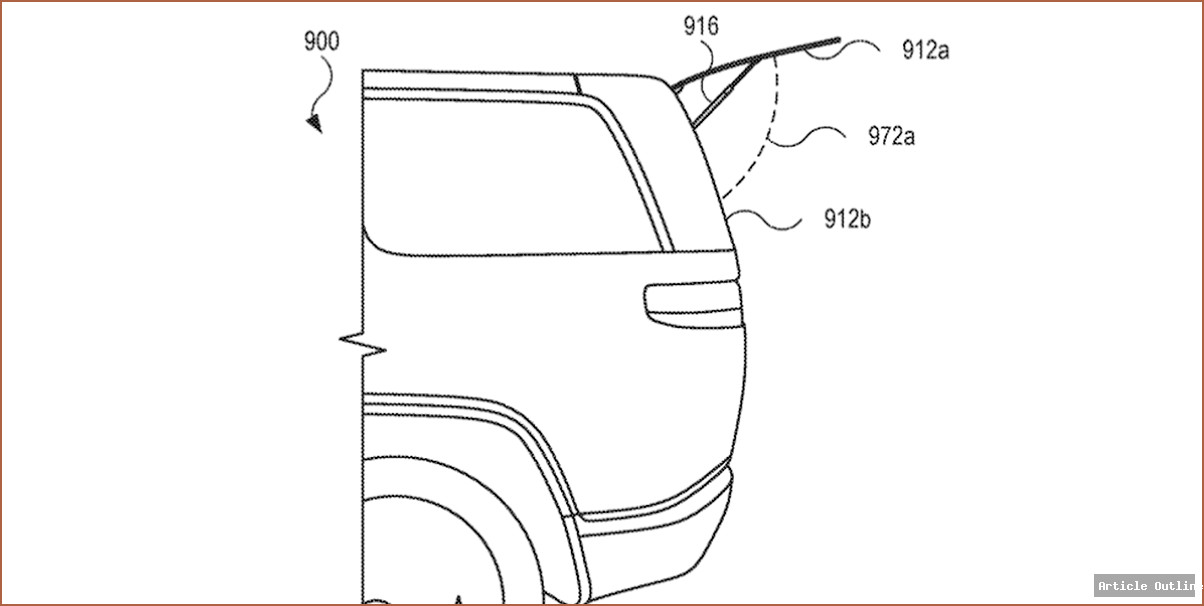
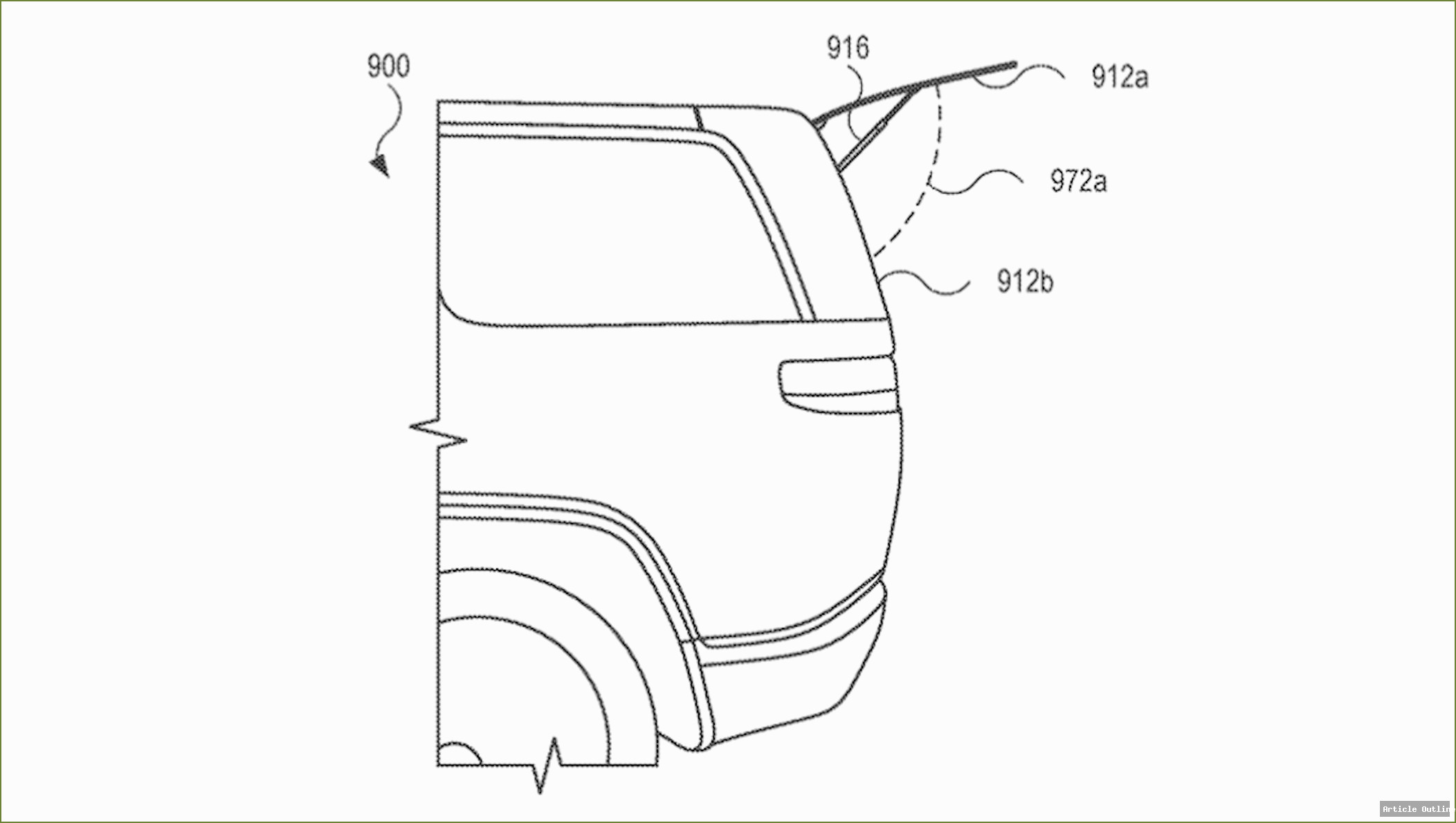
Rivian’s latest patent filings aren’t just about a fancy rear window—they signal a potential sea change in how we interact with electric vehicles. While most headlines focus on the top-hinged, motorized rear glass, there’s a deeper layer here: a return to physical buttons and tactile controls in a world obsessed with touchscreens. Let’s break down why these details matter far more than you might think.
Why This Matters
- User Experience Revolution: The EV industry—Tesla, Rivian, even Ford—has been racing to stuff every control into a touchscreen. But drivers are rebelling. Nothing is more frustrating than hunting through digital menus just to adjust the AC or open the trunk. Rivian’s patent hints at a course correction, putting essential controls back at your fingertips—literally.
- Practicality Over Gimmicks: The independently powered rear glass isn’t just for show. Think of loading groceries, big dogs, or awkward cargo. It’s a feature beloved by Toyota Land Cruiser and Lexus GX owners. Rivian’s twist? They want it motorized for true one-hand (or no-hand, thanks to gesture control) operation. That’s a real upgrade for everyday life.
- Safety and Accessibility: Physical buttons can be operated by touch, without taking your eyes off the road. In an industry facing increasing scrutiny over distracted driving, Rivian’s pivot could set a new safety benchmark.
What Most People Miss
- Gesture Controls Are Coming: The patent isn’t just about buttons—it mentions camera-based gesture recognition. Rivian could blend the best of both worlds: tactile controls for driving, touchless controls for loading, all powered by smart sensors.
- It’s a Signal to the Market: Volkswagen’s $5 billion investment in Rivian was largely about software. Yet this patent signals Rivian isn’t married to digital-only UX. They’re listening to real-world feedback, which could influence other automakers to rethink their own strategies.
- Mid-Cycle Facelift Preview: The patent drawings offer a sneak peek at what the facelifted R1S or R1T could look like—a subtle but important detail for fans and investors tracking Rivian’s design evolution.
Key Takeaways
- Rivian could become the first major EV maker to bring back physical switchgear in a meaningful way—potentially setting a trend for the entire industry.
- The independently powered rear glass is more than a novelty—it’s a practical feature that addresses real customer pain points.
- Gesture-based controls could bring a new level of convenience, blending old-school tactile feedback with futuristic tech.
Industry Context: The Great Touchscreen Backlash
Recent J.D. Power studies show customer satisfaction with infotainment systems is declining—largely due to clunky, screen-based controls. Ford just released a Mustang with more physical knobs, and Porsche never abandoned them. There’s a growing realization: drivers want tactile feedback, especially for critical functions. Rivian’s patent is perfectly timed.
Comparisons and Trends
- Tesla: All-in on touchscreens, but facing lawsuits and criticism over safety and distraction.
- Land Cruiser & Lexus GX: Rear glass that opens separately is a fan favorite—Rivian’s powered version could set a new standard.
- Porsche, BMW: Both tout ‘driver-centric’ interiors with physical controls for essentials, and their owners love it.
Pros and Cons Analysis
- Pros: Easier, safer operation; more intuitive user experience; improved accessibility; unique feature set.
- Cons: Slightly increased manufacturing complexity; potential for more parts to break (though this is offset by user benefit).
Actionable Insights
- If you’re considering an EV, watch for models with real switchgear—they’re coming back for a reason.
- For automakers: Listen to your users. Sometimes, the old ways are best—especially when it comes to driving safety and convenience.
The Bottom Line
Rivian’s new patents aren’t just technical drawings—they’re a roadmap for a smarter, more user-friendly EV future. By blending tactile controls, gesture recognition, and practical features like motorized rear glass, Rivian is poised to leap ahead in both innovation and everyday usability. If the rest of the industry follows, the days of “screen rage” may be numbered.