Rivian just set a new sales record—on the back of its much-anticipated R2 SUV launch. But this is more than just a good quarter; it could be a tipping point for the EV upstart.
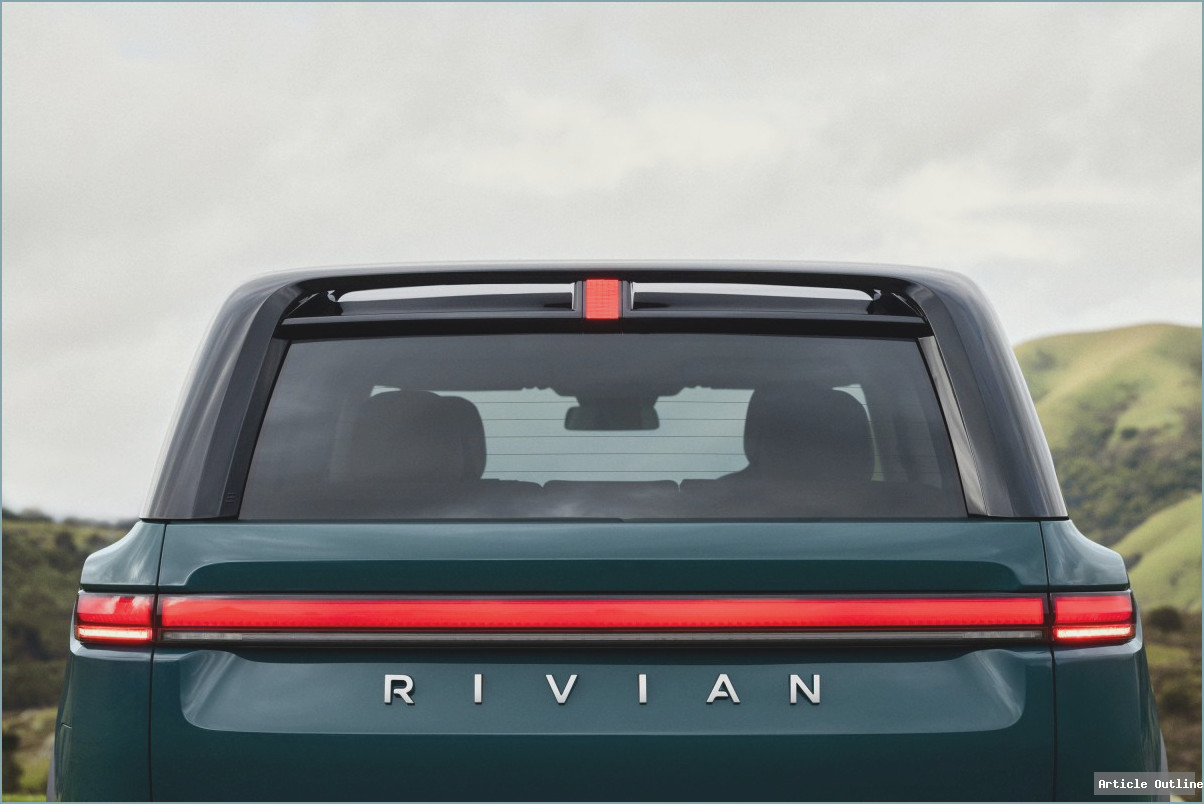
With 19,248 electric vehicles delivered in Q3—a staggering 45% jump year-over-year—Rivian is finally breaking out of its 50,000-vehicle rut. The star player? The all-new, more affordable R2 SUV, which just completed its first full sales quarter after launching in June. But what does this really mean for Rivian, and what’s hiding beneath the headline numbers?
Why This Matters
- The R2’s success signals a new era of affordable, desirable EVs with mass-market potential. Starting at just under $60,000 (with plans for $45,000 trims), Rivian is finally targeting a far broader audience—not just adventure-seeking early adopters.
- Rivian’s record quarter isn’t just about sales. It’s a proof point for scaling up U.S. EV manufacturing—crucial as competitors like Ford and GM hesitate or delay their own EV rollouts.
- The race for EV volume is on. If Rivian hits its target, the R2 could become the fastest-selling EV launch after Tesla’s Model Y—a benchmark that could turbocharge investor and consumer confidence.
What Most People Miss
- This isn’t just about one SUV. Rivian’s R2 is built on a scalable platform, and the company is already expanding its Normal, Illinois factory and constructing a massive new Georgia plant with future capacity of 300,000 vehicles a year.
- Profitability is still out of reach. Rivian is burning cash, and heavy investments in autonomy—especially for robotaxi versions of the R2 (think Uber partnership)—mean it’s delayed its profit goal to 2027 or later.
- The bet on autonomy is high-risk, high-reward. Rivian’s willingness to sacrifice near-term profit for a shot at robo-taxis is bold, but the path to commercial self-driving fleets is littered with far bigger players who haven’t cracked the code yet.
Key Takeaways
- Rivian’s Q3 surge is a sign the market wants more affordable, well-designed EVs—not just luxury models.
- Scaling production and controlling costs remain Rivian’s biggest challenges. Expanding factories is expensive, and the EV price war shows no mercy.
- If Rivian can deliver 65,000-70,000 vehicles this year, it marks a turning point. But the road to sustainable success (and profitability) is still long and full of potholes.
Industry Context & Comparisons
- Tesla’s Model Y remains the gold standard for breakout EV sales, having become the best-selling car (of any kind) globally in 2023.
- Ford’s Mustang Mach-E and GM’s Chevy Blazer EV have both seen launch hiccups and slower-than-hoped adoption, with Ford recently pausing some EV investments.
- Rivian’s robotaxi ambitions mirror moves from Tesla, Waymo, and GM’s Cruise—but none have yet unlocked mass-market autonomy.
Pros and Cons
- Pros: Record sales, scalable new platform, expanding production, broader market reach, bold vision for autonomy.
- Cons: Heavy losses, delayed profitability, fierce competition, unproven robotaxi business, and a still-volatile EV demand landscape.
The Bottom Line
Rivian’s R2 launch isn’t just a sales milestone—it’s a litmus test for the next generation of American EVs. If Rivian sustains this momentum, it could cement itself as the most credible Tesla challenger yet. But with big bets on autonomy and the ever-present threat of price wars, the next 18 months will be a high-voltage rollercoaster. Will the R2 be Rivian’s Model Y moment, or just a bright flash before the fade? Stay tuned.