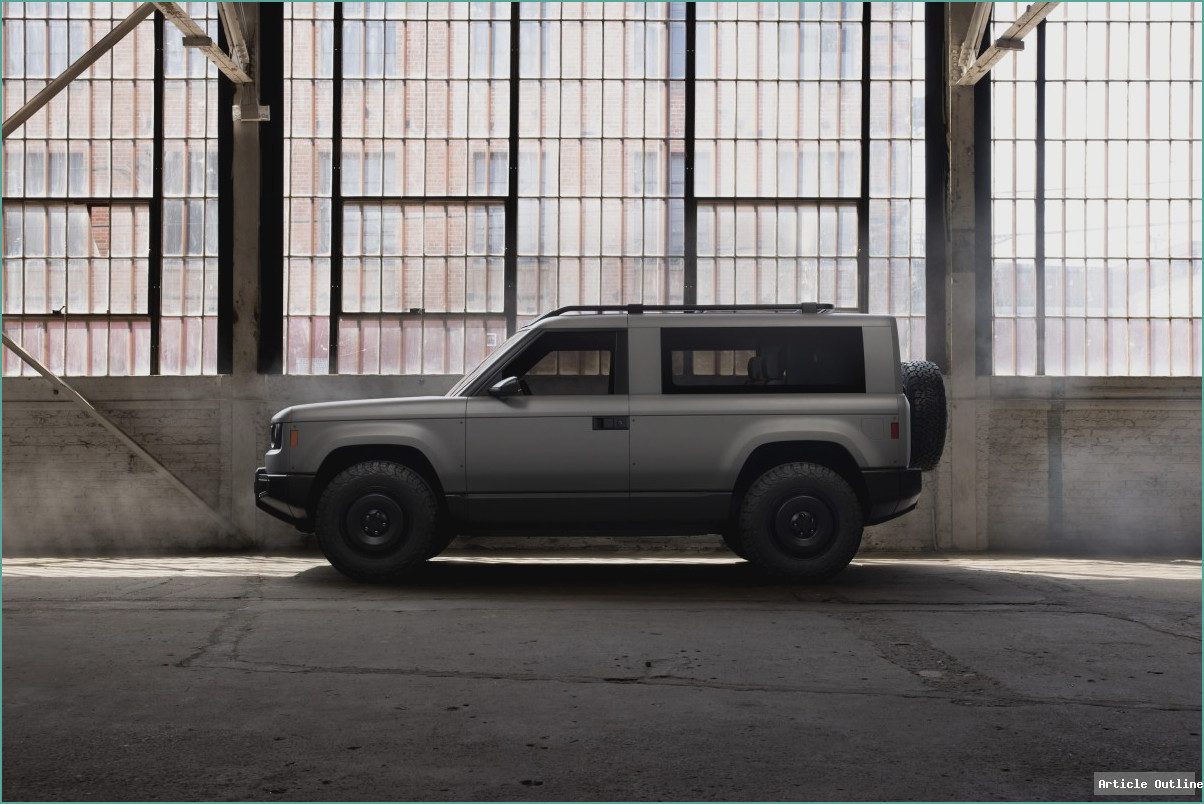
The electric vehicle (EV) world is buzzing: Slate Auto, the upstart backed by Jeff Bezos and LA Dodgers owner Mark Walter, is about to open preorders for its highly anticipated, low-cost EV on June 24. But beneath the headlines, there’s a deeper story shaping up—one with major implications for the future of affordable, practical electric cars in the US.
Why This Matters
- A genuine sub-$30k EV has become the auto industry’s white whale. Most new EVs still clock in well above $40,000, putting them out of reach for the average American. If Slate delivers, it could finally break the “EVs are only for the wealthy” stigma.
- The US market is hungry for simple, utilitarian vehicles. With features like hand-crank windows and no paint, Slate’s approach bucks the “over-tech’d” EV trend. This is a car for drivers who want reliability over bells and whistles.
- 160,000+ pre-reservations signal a massive pent-up demand for affordable electric options. If Slate can convert even a fraction into real buyers, it could shift the market balance.
What Most People Miss
- Tax Credit Turbulence: Slate originally touted a sub-$20k price after the $7,500 federal EV credit. With that incentive gone under recent policy changes, the real test will be whether Americans still buy in at “mid-$20k”—and how Slate reacts if sticker shock hits hard.
- Execution Hurdles: Other hyped EV startups (remember Lordstown Motors?) have fallen flat when converting reservations to deliveries. Funding and strong leadership—now with a former Amazon exec as CEO and $1.4 billion raised—mean Slate has more runway than most, but production is a brutal game. Will they avoid the “startup graveyard”?
- Customizability as a Differentiator: The ability to convert the vehicle from a two-seater truck to a five-seater SUV is almost unheard of in this price bracket. This modularity could disrupt not just how cars are bought, but how they’re used and owned.
Key Takeaways
- Slate is targeting the price-sensitive, practical buyer—a demographic largely ignored by current EV players.
- Leadership changes (ex-Amazon executives) and robust funding ($650M Series C, $1.4B total) show institutional confidence, but also ramp up expectations.
- The loss of the federal EV tax credit is a major speed bump. Watch for Slate’s pricing announcement in June—will they absorb the difference, or will buyers?
- Early hype is strong, but the EV industry’s graveyard is full of failed launches. Slate’s next 12 months will be a stress test for its business model and manufacturing prowess.
Industry Context & Comparisons
- Tesla’s Model 2 (if it ever arrives) is rumored to target a similar price, but faces its own delays and credibility issues.
- Chinese EV makers (BYD, Nio) have successfully launched low-cost EVs abroad, but have yet to crack the US market due to regulatory and trade barriers.
- Ford and GM have announced affordable EV plans, but timelines keep slipping and specs creep upward in price.
Action Steps & Implications
- If you’re interested, make a (refundable) reservation early—the first wave will likely sell out fast.
- Monitor June’s price reveal closely. A “mid-$20k” EV is still rare, but without the tax credit, mass adoption may hinge on total cost of ownership.
- Expect a wave of copycat “no-frills” EVs if Slate succeeds. The era of the utilitarian electric car could finally be here.
The Bottom Line
Slate Auto is not just launching a car. It’s challenging an entire industry’s assumptions. If it delivers on price, simplicity, and flexibility, it could force legacy automakers to finally take the affordable EV segment seriously. But as history has shown, the road from reservation to driveway is long and full of potholes. The next few months will be the ultimate test—not just for Slate, but for the future of accessible electric mobility in America.
Sources:
- Inside the EV startup secretly backed by Jeff Bezos
- Slate Auto drops under $20,000 pricing after Trump administration ends federal EV tax credit
- Slate Auto changes CEO months ahead of affordable EV launch
- Slate Auto raises $650M to fund its affordable EV truck plans
- Jeff Bezos rep leaves Slate Auto’s board
- Source