When it comes to affordable electric pickups, the battle between Slate’s Blank Slate Truck and Ford’s Fathom isn’t just about price tags and range. It’s about a philosophical divide in how we interact with our vehicles—and most buyers don’t realize how much this could shape their day-to-day experience.
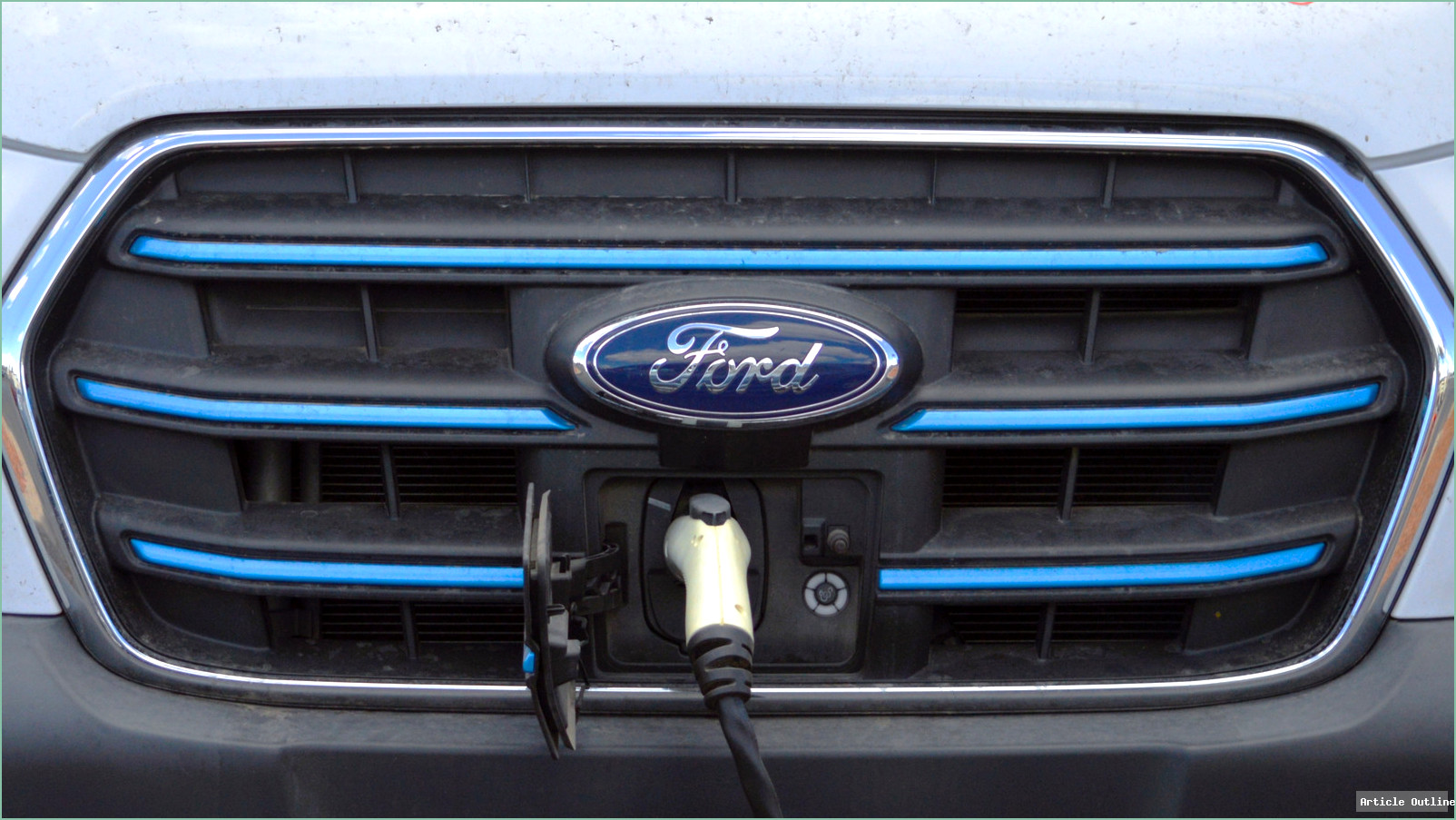
Slate’s approach is radically minimal: ditch the traditional infotainment screen and let your phone (or tablet) run the show. Ford, on the other hand, sticks with what’s familiar—built-in touchscreen, Apple CarPlay, Android Auto, and a suite of digital features. At first glance, this might seem like a minor difference. In reality, it could be a deal-breaker for many drivers.
Why This Matters
- Infotainment is now a core expectation—not a luxury. According to Deloitte’s 2025 Global Automotive Consumer Study, 63% of US car buyers consider smartphone connectivity via CarPlay or Android Auto important. This isn’t just about playing music; it’s about navigation, messaging, and seamless integration with daily life.
- Reducing complexity cuts costs—but can also cut perceived value. Slate’s exclusion of a built-in screen helps keep its entry price under $25,000, but could leave tech-oriented buyers feeling shortchanged.
- User experience impacts resale and satisfaction. As vehicles age, outdated infotainment is a frequent complaint. But Slate’s logic is: your phone is always up to date, so your truck’s tech never feels obsolete.
What Most People Miss
- Aftermarket workarounds are already bubbling up. Forums are buzzing with DIY solutions—aftermarket stereos, Raspberry Pi setups—to bring CarPlay or Android Auto back to the Slate.
- Ford’s efficiency upgrades are quietly revolutionary. The Fathom’s design uses 20% fewer parts, 50% fewer hoses, and a wiring harness that’s over 4,000 feet shorter than Ford’s previous EVs. That’s not just cost-saving—that’s a leap forward in EV manufacturing.
- Software updates via phone could become a new industry standard. Slate’s method—download vehicle updates onto your phone, then transfer—could sidestep the need for embedded cellular connections, saving money and complexity.
Key Takeaways
- Slate’s Blank Slate Truck is for the tech minimalist: two doors, barebones electronics, your own device as the hub. Perfect for those who value simplicity and low cost over digital bells and whistles.
- Ford Fathom targets mainstream buyers: five seats, built-in touchscreen, familiar smartphone integration. It’s the “safe bet” for drivers who think of their car as an extension of their digital life.
- Infotainment choices could sway buyers more than horsepower or towing specs—especially as EV features start to converge.
Pros and Cons Analysis
| Slate’s Approach | Ford’s Approach |
|---|---|
|
|
The Bottom Line
The Slate vs Ford Fathom debate isn’t just about which truck is cheaper. It’s about how much you value integrated tech versus simplicity, and whether you see your phone as a capable replacement for a dashboard computer. As EVs become more affordable, expect the infotainment question to become a new battleground—one that might just surprise automakers and buyers alike.