Ever found yourself staring at a viral video and wondering, “Is this for real?” You’re not alone. The age of AI-powered video ‘slop’—a flood of convincingly fake clips—has arrived, and it’s making us question everything from dancing moose to dramatic police raids. Before you hit share on that next jaw-dropping snippet, let’s break down why this matters more than ever, and how to outsmart the digital deluge.
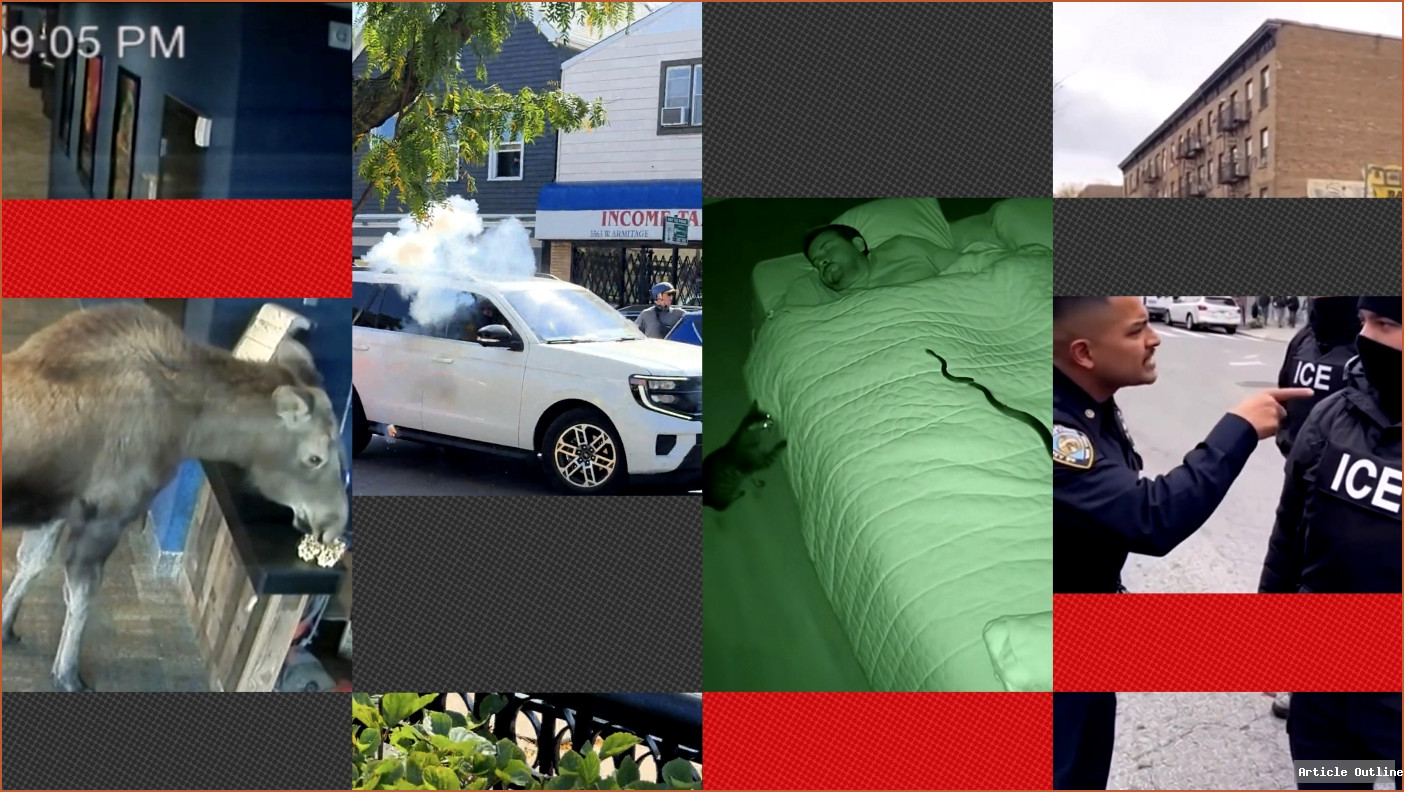
Why This Matters
- Trust in video evidence is eroding. When we can’t tell real from fake, everything becomes suspect—including critical footage of real-world events.
- The ‘liar’s dividend’ is real. Bad actors can now claim authentic videos are ‘deepfakes’ to dodge accountability, making it harder to pursue justice or understand the truth.
- AI-generated content is getting shockingly good, fast. Tools like OpenAI’s Sora have made it easier to create hyper-realistic videos, and the technology is only improving.
What Most People Miss
- Assuming everything is fake is just as dangerous as assuming it’s all real. If we dismiss all video evidence, we risk ignoring real injustices or crucial moments caught on camera.
- Short video length is a red flag. Most AI-generated videos are still limited to under 10 seconds due to high computational costs. Watch for slick, bite-sized clips—they might be too polished to be true.
- Context clues are gold. Who posted the video? What’s their posting history? Are there credible news reports backing up the footage? These simple checks are often skipped in the rush to share.
- AI videos often have ‘professional’ camera angles and movements. If the shot is too smooth, too close, or feels like it’s on rails, be suspicious.
- Many AI content creators label their videos as AI-generated in their profiles or comments. A quick scan can save you (and your followers) some embarrassment.
Key Takeaways
- Think before you share. Engagement bait is real—and every like, comment, and repost helps problematic content spread faster.
- Reverse image/video searches are your friend. Tools like Google’s reverse image search can help you track down the original source or spot inconsistencies.
- Wait for corroboration. Newsworthy events tend to get covered by multiple sources. If you’re unsure, let the story develop before amplifying a potentially fake video.
- Emotion is a weapon. AI videos are designed to provoke strong reactions—if you’re shocked, outraged, or can’t believe your eyes, take a breath and investigate.
Timeline: The Rise of AI Video Slop
- 2018-2020: Deepfakes emerge, mostly as novelty tech or for entertainment.
- 2022-2023: Tools become more accessible; incidents of misinformation using doctored video rise.
- 2024-2025: AI video generators like Sora create photorealistic, short-form videos at scale; misinformation and ‘slop’ flood social feeds.
Pros & Cons: The New World of AI Video
- Pros: Creative storytelling, accessibility for indie creators, new forms of art and satire.
- Cons: Rampant misinformation, erosion of public trust, difficulty verifying real evidence, overwhelming ‘slop’ that exhausts our attention and skepticism.
“It’s not that someone’s going to believe a fake video, it’s that people won’t believe real videos.” – Kolina Koltai, Bellingcat
Action Steps: How to Outsmart AI Video Slop
- Check the source: Does the poster have a credible history?
- Look for corroboration: Are reputable news outlets reporting the same event?
- Reverse search: Use reverse image or video search tools to trace origins.
- Pause before sharing: Especially if the video triggers a strong emotional response.
- Educate your circle: Help friends and family understand why skepticism—and patience—are crucial.
The Bottom Line
AI video ‘slop’ is here to stay, but paranoia isn’t the answer. Instead, arm yourself with skepticism, patience, and a few digital detective tricks. Remember: every click and share shapes the information ecosystem. Don’t be part of the problem—be part of the solution.