Turbo lag—the dreaded pause between flooring the gas and actually feeling the rush—has haunted performance enthusiasts for decades. Enter SRT’s new eBoost Air system, a prototype tech designed to make turbocharged engines feel as responsive as old-school supercharged V8s. If you love power, instant response, and innovation, this is big news. But there’s more here than meets the eye.
Let’s break down why SRT’s approach matters, what most people are missing, and how this could reshape the muscle car landscape (and beyond).
Why This Matters
- Turbo lag is one of the biggest drawbacks of high-performance, turbocharged engines. It’s the awkward moment when you want power, but your car hasn’t caught up yet.
- SRT’s eBoost Air system uses an electric supercharger to spin up the turbos instantly. The result? Immediate throttle response and a surge of power across the rev range.
- This tech could make turbocharged engines as fun—and as responsive—as the beloved supercharged V8s now disappearing due to emissions regulations.
What Most People Miss
- This isn’t just about killing turbo lag. By adding an electric supercharger upstream of the turbos, SRT is also unlocking massive power gains—reportedly adding up to 90 horsepower in prototype tests (from 550 hp to 640 hp).
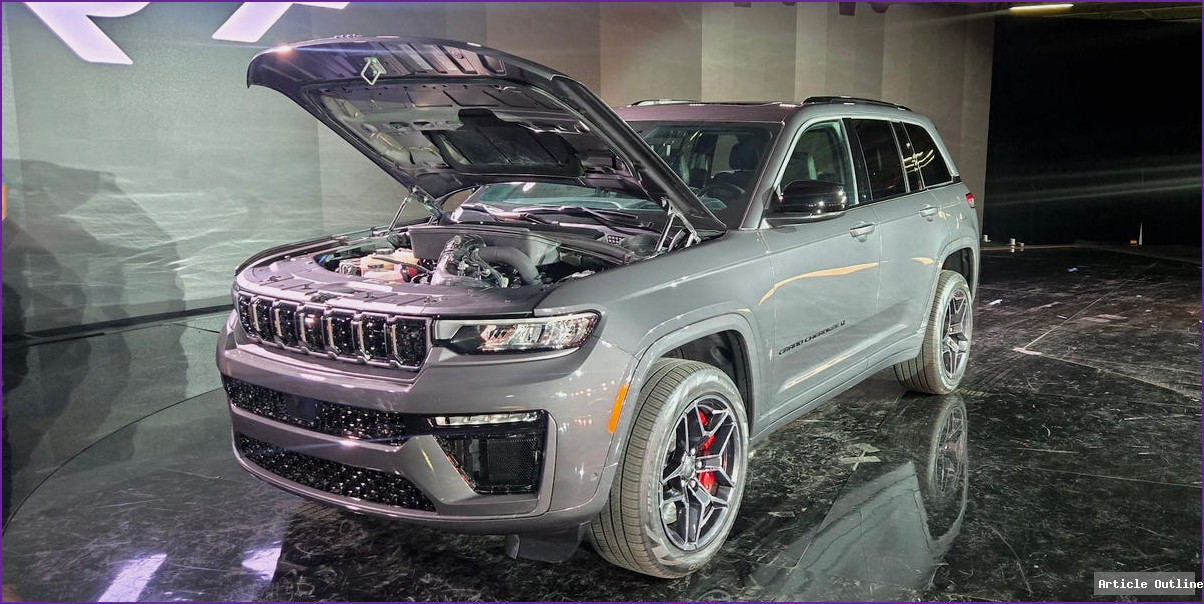
- While Mercedes-Benz and Volvo have used similar tech, SRT’s rapid development—from idea to working prototype in just seven weeks—is shockingly fast for the industry.
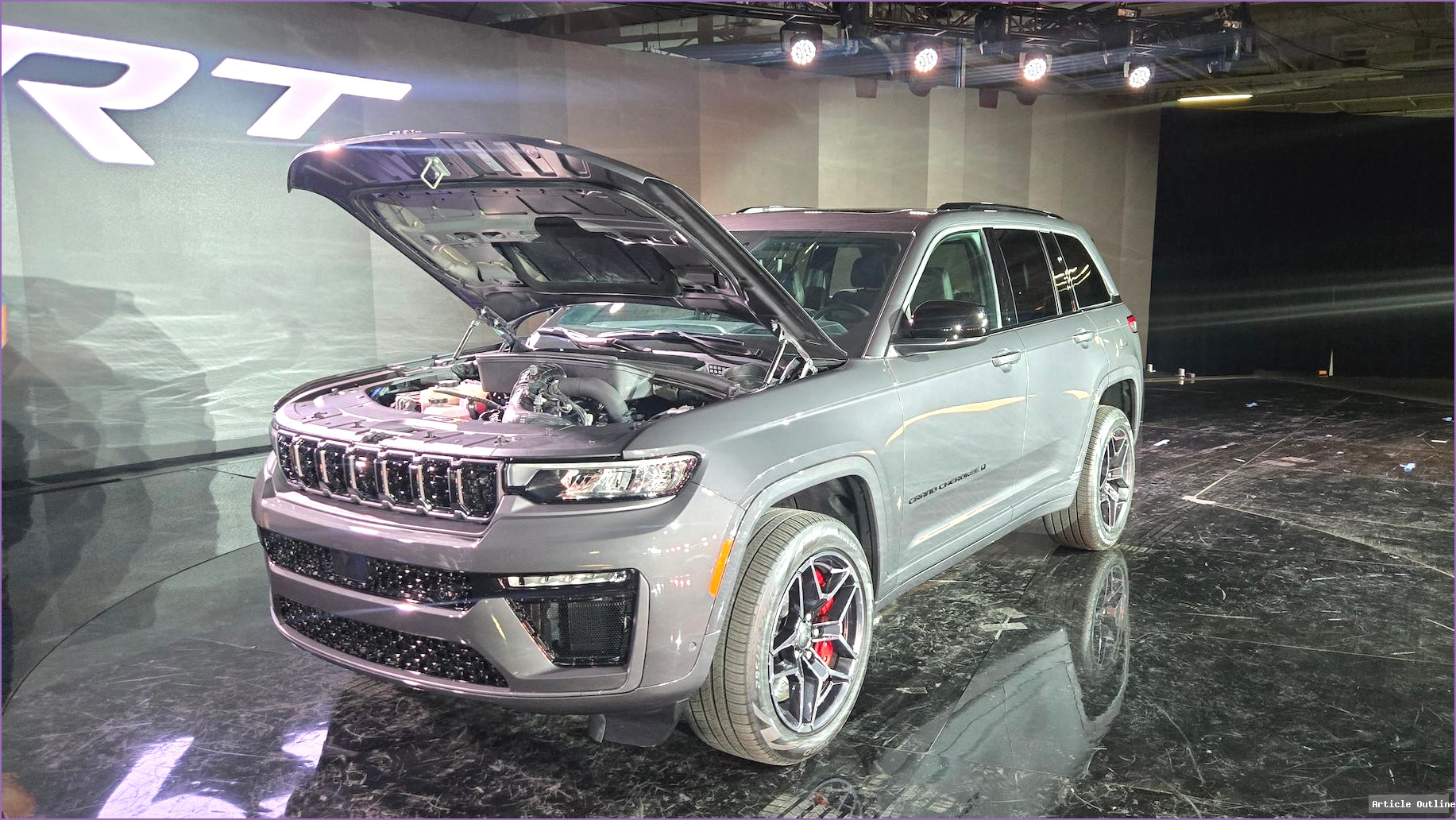
- The fact that it’s being tested in the high-output Hurricane straight-six (and crammed into a Jeep Grand Cherokee!) signals intent: SRT wants this to go mainstream, not just stay a concept.
Key Takeaways
- eBoost Air could redefine the feel of future muscle and performance cars. No more waiting for boost—just mash the pedal and go.
- Immediate throttle response is not just a luxury; it’s a safety and drivability benefit, especially in performance applications.
- This is also a clever workaround for increasingly strict emissions standards—more power, less pollution, and a better driving experience.
- Expect to see this tech (or something similar) hit production soon—most likely debuting in the next-generation Dodge Charger Sixpack.
Industry Context & Comparisons
- Electric superchargers have been used by Mercedes (AMG 53 models) and Volvo (T6/T8 engines) with great success, but SRT’s system is aimed at the heart of the American muscle ethos.
- With the shift away from V8s due to emissions laws (over 17% of U.S. auto sales in 2023 were turbocharged four- and six-cylinders), manufacturers are desperate to recapture the thrill of classic muscle—without the penalties.
- SRT is positioning itself as the innovator that can bridge tradition and the future: big power, instant response, and eco-friendlier engines.
Potential Timeline
- Early 2024: eBoost Air prototype development begins.
- Seven weeks later: Working prototype tested on Hurricane I6 in a Jeep Grand Cherokee.
- Late 2024 or 2025: Likely production launch in Dodge Charger Sixpack or similar models.
Pros and Cons
- Pros:
- Instant throttle response
- Big power gains
- Potential for widespread adoption in performance cars
- May help meet stricter emissions standards
- Cons:
- Added complexity and cost
- Potential reliability concerns (as with any new tech)
- Purists may still miss the V8 soundtrack
The Bottom Line
SRT’s eBoost Air could spell the end of turbo lag and inject new life into the next generation of American performance cars. It’s not just about numbers—it’s about how the car feels when you drive it. If SRT delivers, we’re looking at a muscle car renaissance, turbo style.