When you think of Tesla innovation, you probably picture batteries, Autopilot, and those wild Cybertruck angles. But sometimes, the real breakthroughs happen in places you least expect—like the car roof. Tesla’s newly-patented climate management tech isn’t just a fancy sunroof; it could reshape how we stay cool (and efficient) behind the wheel.
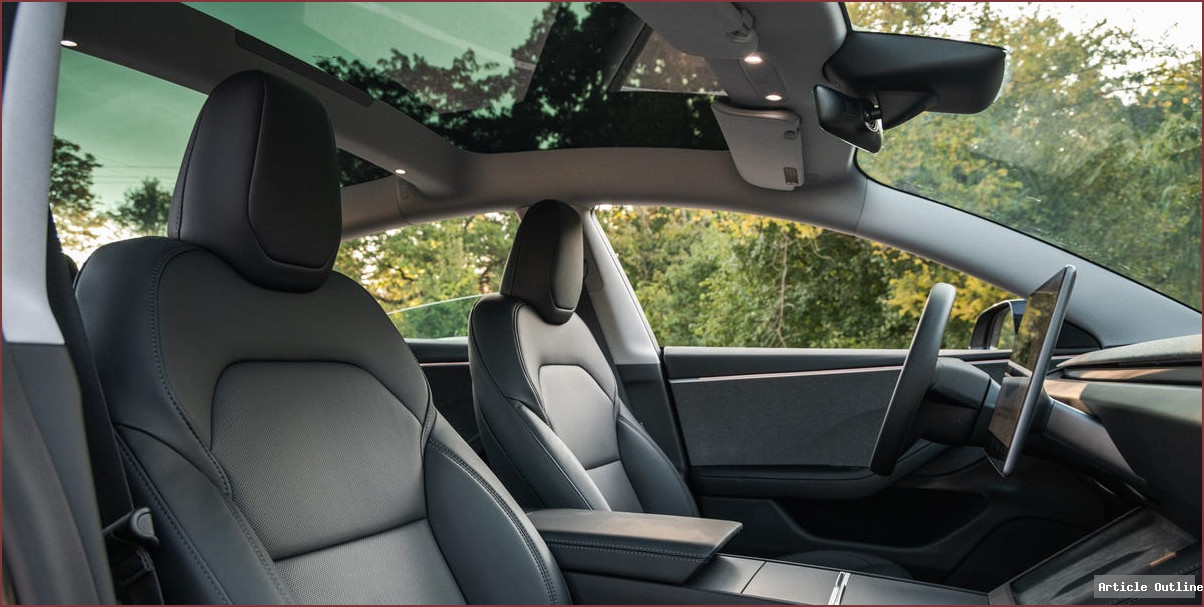
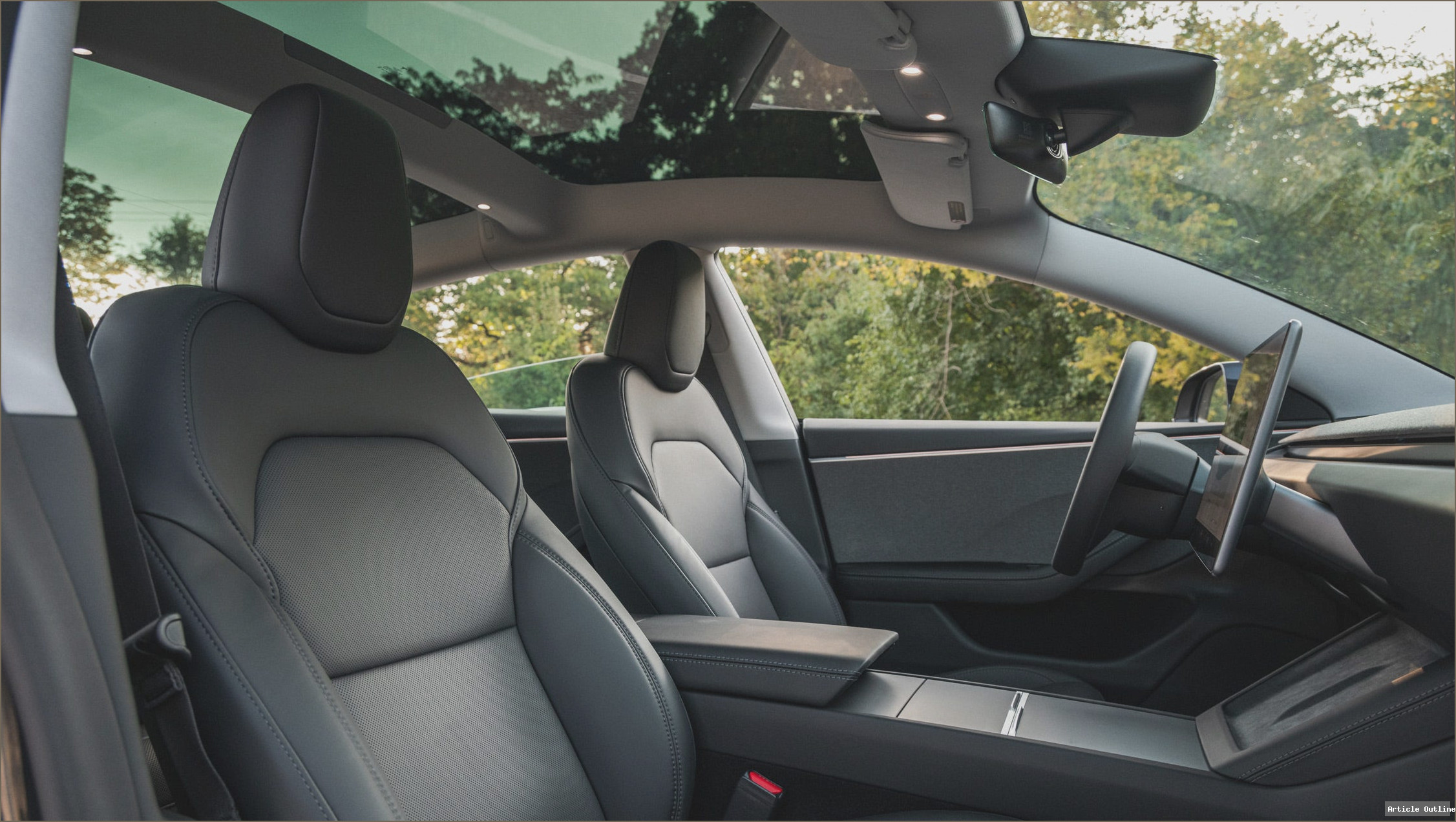
Let’s be honest: panoramic glass roofs look stunning but can turn your cabin into a rolling greenhouse in summer. Tesla’s answer? A sandwich of perforated and solid glass with a honeycomb core that doubles as a high-tech air diffuser. Combine that with a clever suction system to pump hot air out, and suddenly, the roof becomes an active part of the HVAC system—not just a source of sunburn.
Why This Matters
- Range Anxiety Gets a New Enemy: In EVs, every watt counts. HVAC systems can drain up to 17% of battery range in extreme climates. A smarter cooling system means more miles between plug-ins.
- Comfort Without Compromise: No more freezing your face while your back sweats. The diffused cooling effect could create a much more pleasant ride—especially for sunbelt drivers.
- Industry Ripple Effect: Tesla’s patents often set trends. If this works, don’t be surprised to see similar tech in other automakers’ EVs.
What Most People Miss
- It’s Not Just About Summer: The patent hints at winter utility too—hot air could flow through the roof in cold months, potentially improving defogging and cabin warmth.
- Complexity vs. Cost: That honeycomb glass isn’t cheap or easy to manufacture. Repair costs could skyrocket if you catch a rock on the highway.
- Integration Is Key: This isn’t a plug-and-play feature. It requires rethinking the whole HVAC and roof assembly—an engineering puzzle.
Key Takeaways
- Tesla’s vented glass roof could slash energy use and boost EV range—a big win for efficiency nerds.
- This is more than window dressing: It’s a full system approach that could change how we cool (and heat) our cars.
- Don’t expect it in showrooms tomorrow: Mass production hurdles and cost concerns remain. But where Tesla leads, others often follow.
Context: How Does This Stack Up?
- Many luxury brands offer electrochromic (tint-adjustable) glass, but none have turned the roof into an active HVAC component.
- Traditional automakers have long struggled with balancing glass roof aesthetics and thermal management. Tesla’s approach is a fresh angle.
- According to the U.S. Department of Energy, over 30% of a car’s interior heat gain comes from the roof. Tackling it directly makes a lot of sense.
Pros and Cons Analysis
- Pros:
- Improved energy efficiency and range
- More consistent cabin comfort
- Potentially industry-changing if scalable
- Cons:
- Possible high repair/replacement costs
- Complex manufacturing may slow adoption
- Unknown real-world durability
The Bottom Line
Tesla’s vented glass roof patent shows how much untapped efficiency is hidden in overlooked car parts. If the company can solve the manufacturing puzzle, this could be a game-changer for EV comfort and range. For now, it’s a reminder that even the best ideas start as patents—and sometimes, the coolest shade comes from the hottest innovations.