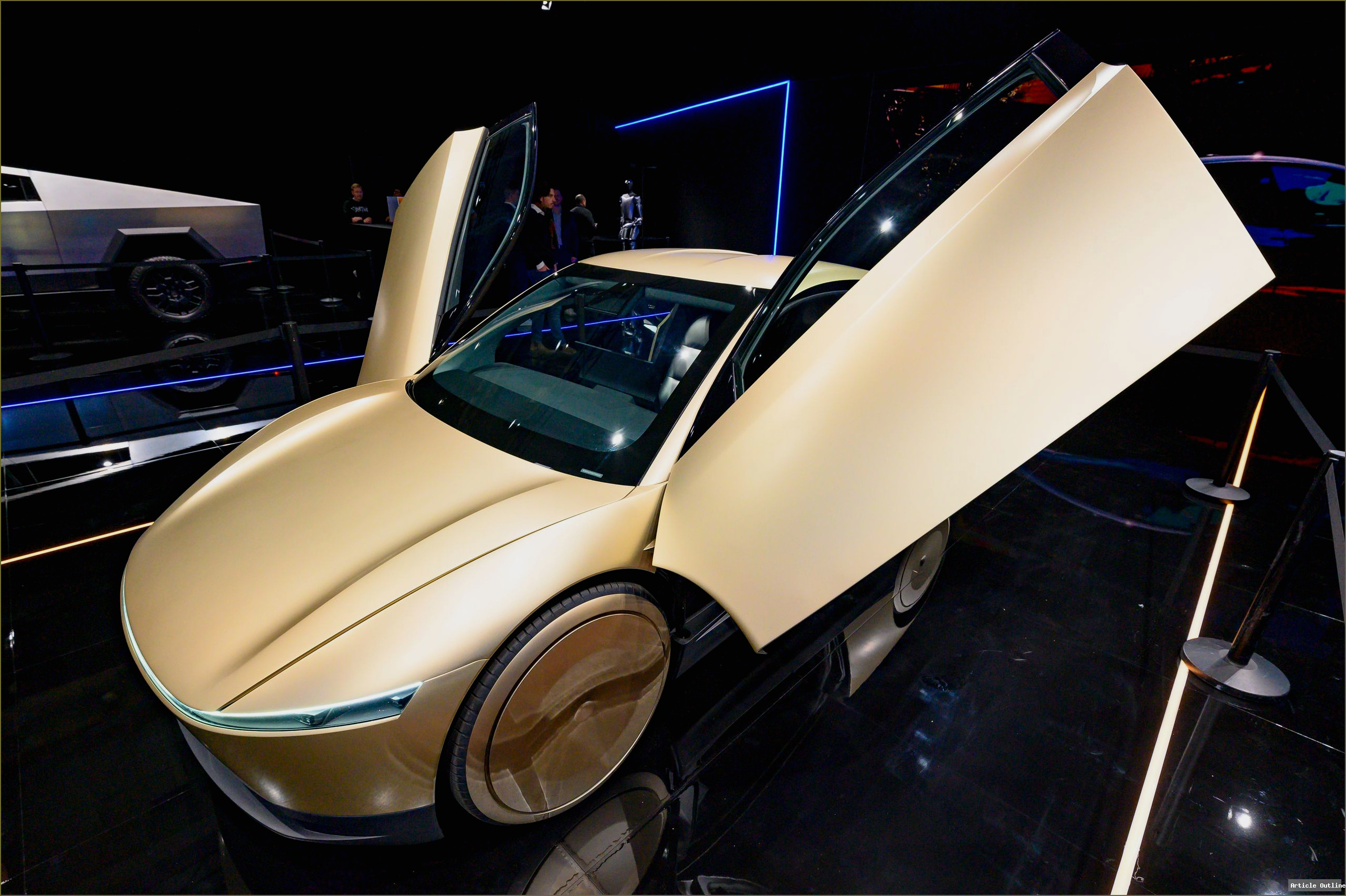
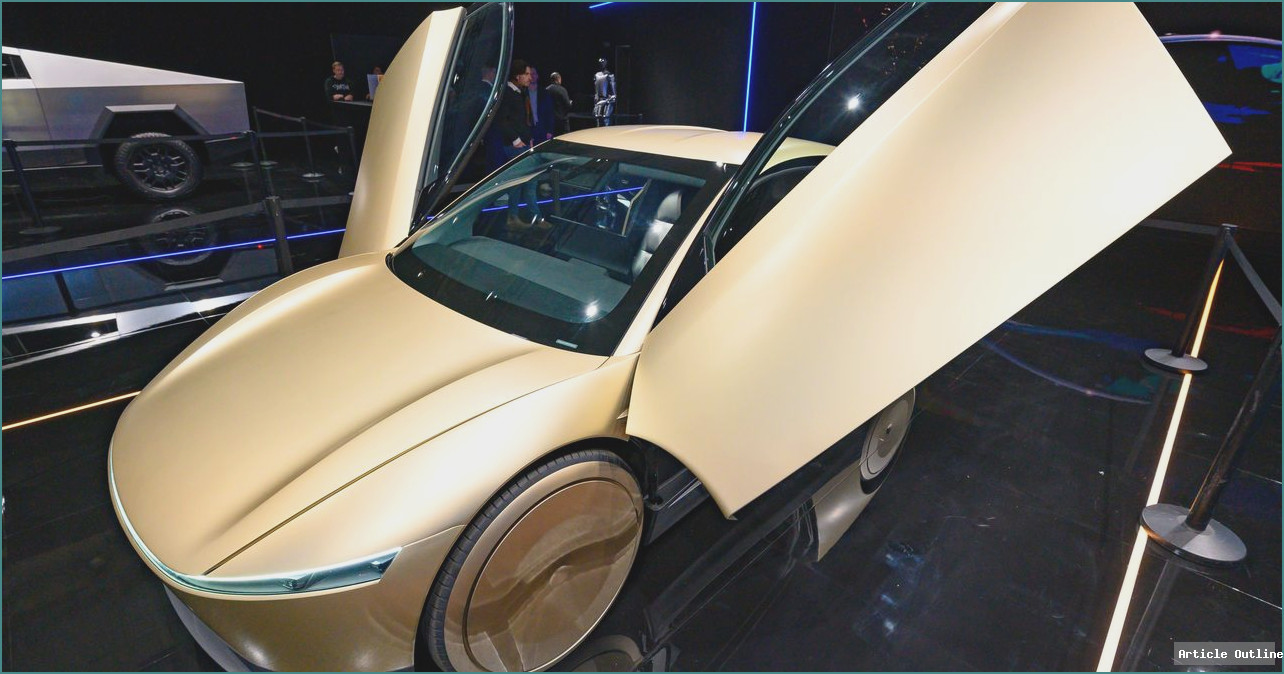
The Tesla Cybercab—a futuristic, two-seater robotaxi with no steering wheel or pedals—made its official debut in Austin, Texas. But before the first fare even hopped in, the U.S. government opened an investigation questioning whether Tesla’s bold new vehicle plays by the rules. Let’s break down what’s really at stake and why this launch is more than just another headline about Elon Musk.
Why This Matters
- Tesla’s Cybercab signals a seismic shift in how we think about cars, mobility, and even urban infrastructure. Ditching manual controls isn’t just a design choice—it’s a bet that full autonomy is not the future, but the present.
- Regulatory scrutiny could reshape the entire autonomous vehicle (AV) industry. If the National Highway Traffic Safety Administration (NHTSA) cracks down, it may set a precedent for all AV makers, not just Tesla.
- Tesla’s refusal to apply for a federal exemption is a high-stakes gamble—one that could either serve as a roadmap for others or a cautionary tale.
What Most People Miss
- Legacy auto regulations are still catching up to the driverless era. The NHTSA is only now updating eight rules—like requirements for brake pedals and mirrors—that don’t make sense for autonomous vehicles. Until then, companies are technically supposed to seek exemptions if they’re breaking old rules.
- Tesla is bucking the process that Amazon’s Zoox and others have followed. Zoox received a limited exemption for up to 2,500 vehicles, showing willingness to play ball. Tesla, on the other hand, claims it doesn’t need an exemption because its Cybercab ‘complies’—a stance that has left regulators and experts stunned.
- This isn’t just about safety, but power and precedent. NHTSA’s ability to enforce standards—and Tesla’s willingness to challenge them—will ripple through every future robotaxi launch.
Key Takeaways
- Federal investigations have teeth. Past cases—like Volvo’s $130 million penalty in 2023—show that automakers can’t afford to ignore the rules.
- Tesla’s Cybercab is just the beginning. There are only 45 in Texas today, but Tesla’s ambitions run to the millions—potentially transforming ride-hailing and personal transportation as we know it.
- Industry expectations are shifting. Even as Tesla pushes boundaries, NHTSA is signaling it won’t be sidelined by Silicon Valley bravado.
Timeline: The Road to Cybercab
- 2023: NHTSA penalizes Volvo $130M over recall process—proving enforcement is real.
- Summer 2026: Zoox secures first exemption for a steering wheel-free robotaxi.
- September 4, 2026: Tesla launches Cybercab in Austin, skips exemption process.
- Same Day: NHTSA opens “Audit Query” into Tesla’s compliance claims.
Pros and Cons Analysis
- Pros:
- Pushes the envelope on what’s possible in AV technology.
- Potentially safer (removes human error), more efficient urban transport.
- Could lead to broader adoption of robotaxis and less personal car ownership.
- Cons:
- Regulatory uncertainty may delay adoption or limit deployment.
- Public trust and safety concerns remain high, especially after notable AV crashes elsewhere.
- Potential for legal battles that could stifle innovation.
“For Tesla to slap [NHTSA] in the face and ignore that—that is gobsmacking.” — Ann Carlson, former NHTSA acting administrator & UCLA professor
The Bottom Line
Tesla’s Cybercab isn’t just another ride—it’s a lightning rod for debate about how fast we leap into the driverless future and who gets to write the rules. Whether Tesla’s challenge to the system leads to rapid adoption or regulatory backlash, one thing is clear: the next chapter of autonomous vehicles will be written not just in code, but in the courts and corridors of power.