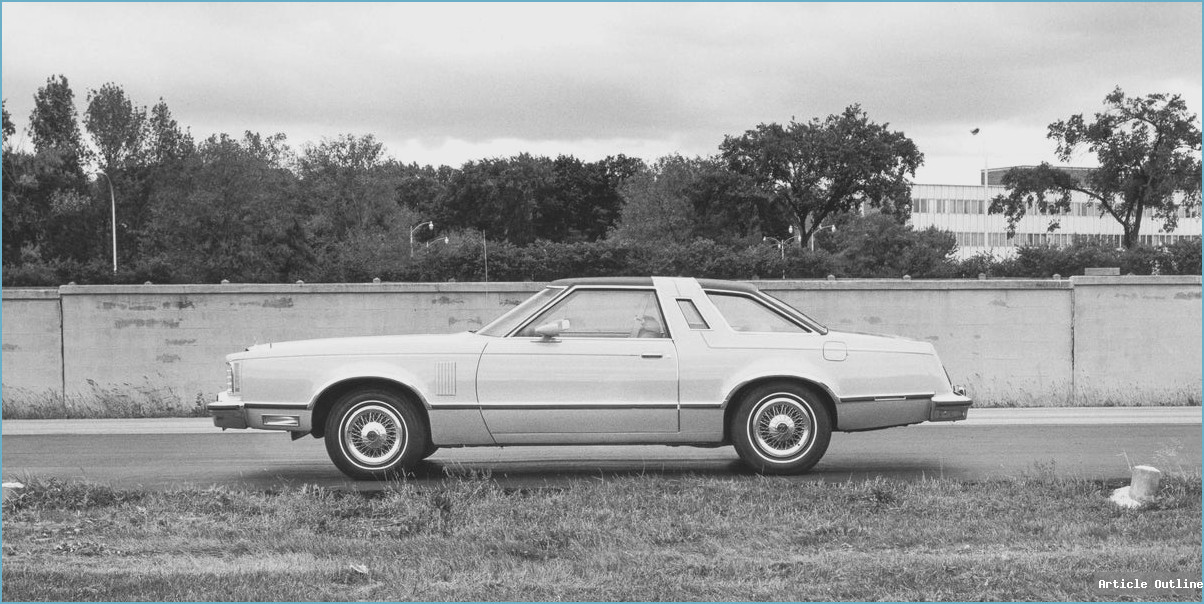
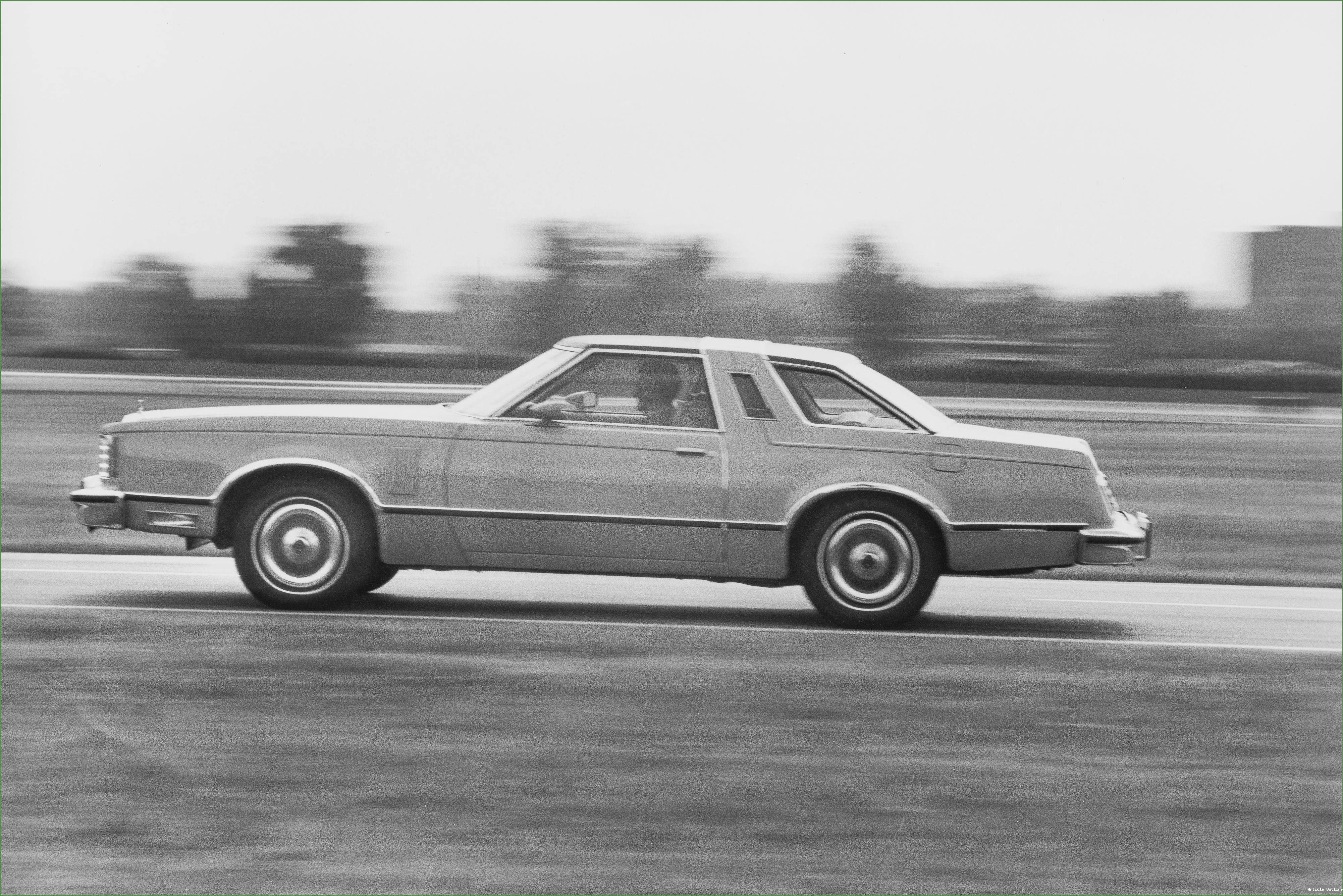
The 1977 Ford Thunderbird is more than just a sharp set of photos—it’s a rolling lesson in American automotive history, styling excess, and market adaptation. While most people might scroll past another gallery of ’70s metal, the story behind this car is a fascinating look at how Detroit responded to an era of changing tastes, economic pressures, and cultural shifts.
Why This Matters
- Downsizing Before It Was Cool: The ’77 Thunderbird marked a radical shift from the gigantic, gas-guzzling land yachts Ford had previously built. In response to rising fuel costs and tightening emissions laws, Ford moved the T-Bird to a smaller, lighter platform (shared with the Mercury Cougar and Ford LTD II).
- A Reflection of 1970s America: The car’s bold design, opera windows, and plush interiors are pure disco-era glam. But underneath, the Thunderbird was a response to changing consumer realities: more efficiency, less ostentation—at least under the hood.
- Sales Success Story: Despite (or because of) its transformation, the 1977 Thunderbird sold over 318,000 units—its best year ever. It was proof that Americans were ready to embrace a new kind of luxury.
What Most People Miss
- It Outsold the Corvette AND Mustang That Year: The ’77 T-Bird was a massive hit, outselling many sports and luxury icons. The shift to a midsize platform let Ford offer luxury at a more accessible price point.
- The Irony of “Personal Luxury”: The Thunderbird’s “downsizing” still meant a 4,000-pound car with a V8 up front and plenty of chrome. This wasn’t exactly a Prius—but for the time, it was revolutionary.
- Platform Sharing: This Thunderbird shared much of its DNA with the Mercury Cougar and other Ford models, a cost-cutting move that foreshadowed today’s modular architectures.
Key Takeaways
- The 1977 Thunderbird embodies the American car industry’s adaptability. It’s a case study in how automakers pivoted during the post-oil crisis era.
- Styling still reigned supreme. From the opera windows to the vinyl roofs, the ’77 T-Bird doubled down on visual flair—even as it shrank in size.
- Its legacy lives on. The concept of personal luxury coupes faded, but the idea of attainable, comfortable cars with a dash of style never left the market.
1977 Ford Thunderbird vs. Today’s “Personal Luxury” Cars
- Then: V8 engines, RWD, plush velour seats, analog gauges, cassette decks, opera windows.
- Now: Turbocharged four-cylinders, hybrid options, digital cockpits, heated everything, panoramic sunroofs, and Apple CarPlay.
While the tech and packaging have changed, the core appeal—comfort, style, and a sense of occasion—remains.
Pros & Cons of the 1977 Thunderbird (with Modern Context)
- Pros:
- Distinctive 1970s styling that stands out even today
- Surprisingly affordable classic in today’s collector market
- Comfortable, smooth ride—like floating on a couch
- Cons:
- Thirsty V8s (expect sub-15 mpg in real-world driving)
- Handling that’s… generous with body roll
- Parts availability can be hit-or-miss for unique trim
Timeline: How the 1977 Thunderbird Changed the Game
- 1955: Thunderbird debuts as a two-seat sports car.
- 1958-1976: Grows into a massive, luxury coupe—emphasizing comfort over speed.
- 1977: Shrinks onto a midsize chassis, becomes a sales juggernaut.
- Late 1980s: Thunderbird evolves again, eventually leaving the “personal luxury” segment.
The Bottom Line
The 1977 Ford Thunderbird isn’t just a pretty vintage face. It’s a milestone in automotive history—a car that shows how American manufacturers can adapt when times get tough, and how style never really goes out of fashion. If you’re a fan of big, bold, and comfortable cars that tell a story, the ’77 T-Bird is a rolling time capsule worth revisiting.