The 1977 Mazda Cosmo is more than just a pretty face in automotive history—it’s a rolling testament to Mazda’s bold experimentation and design prowess. While many enthusiasts drool over the later RX-7 or RX-8, the Cosmo represents a critical juncture where Mazda dared to think differently, both stylistically and under the hood.
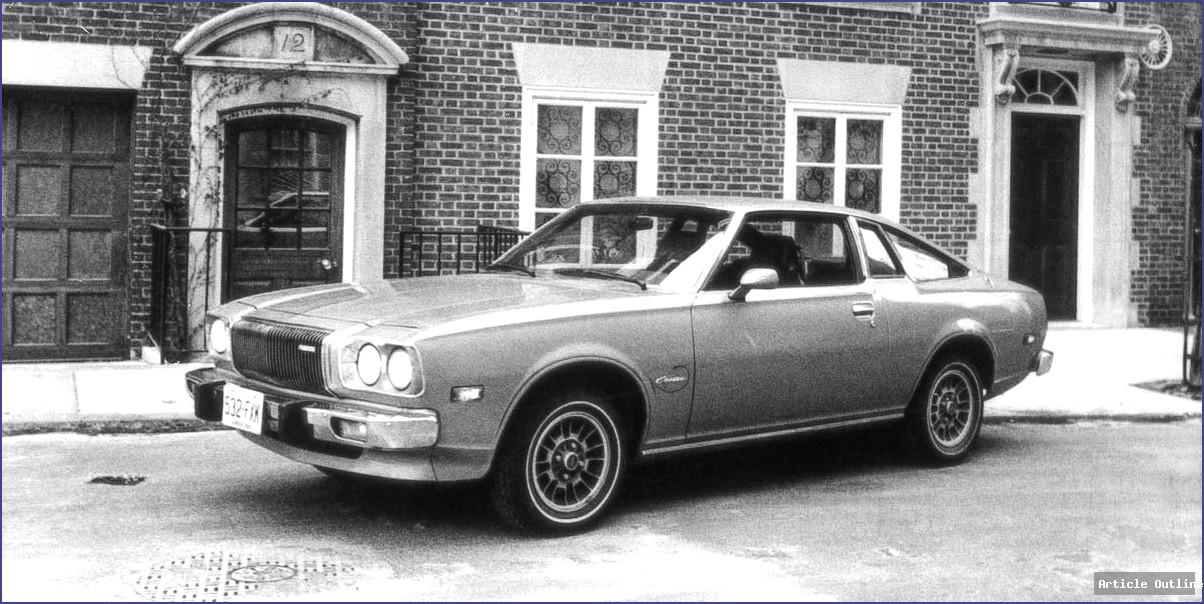
Let’s take a deep dive into why this rotary-powered coupe still matters, what most people overlook, and what lessons it offers for car fans and the industry at large.
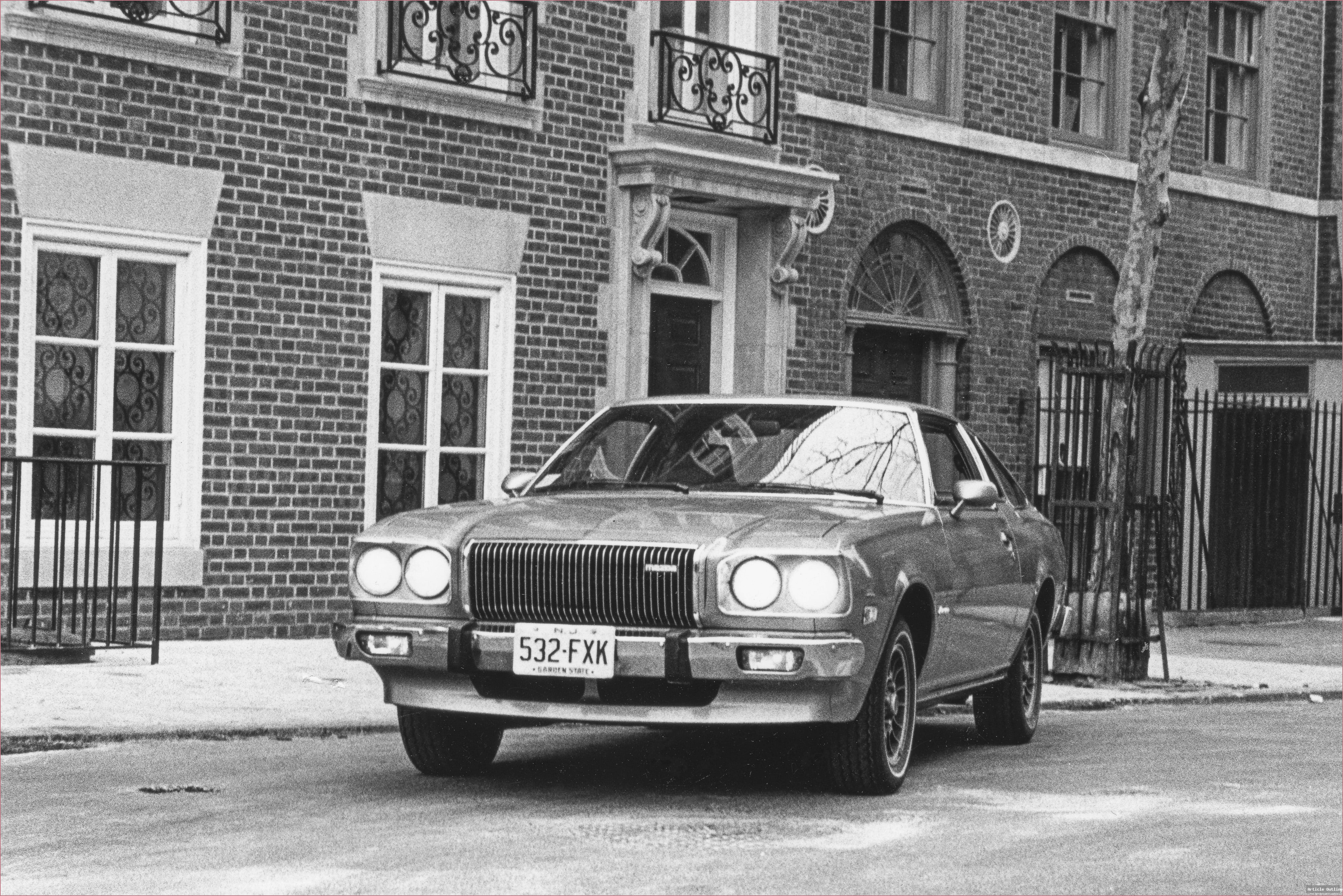
Why This Matters
- Rotary Engine Pioneer: The Cosmo was among the rare production cars to feature Mazda’s signature rotary engine, a bold move at a time when most manufacturers played it safe with conventional pistons.
- Design Influence: Its clean, angular lines and long hood signaled Mazda’s transition into the modern era, influencing the look of Japanese sports coupes for years to come.
- Global Ambition: The Cosmo was one of the first Mazda models seriously aimed at international markets—an early chapter in the brand’s journey toward global recognition.
What Most People Miss
- Grand Touring Credentials: While the Cosmo’s rotary engine gets all the attention, its interior was surprisingly luxurious for the era, offering plush seating, advanced (for the time) instrumentation, and a genuinely comfortable ride for long-distance journeys.
- Engineering Bravery: In the late ’70s, emissions regulations and oil crises were battering performance cars. Mazda’s dogged pursuit of rotary tech—despite its quirks—was risky, but it set the stage for future icons like the RX-7.
- Cultural Bridge: The Cosmo helped solidify the image of Japanese cars as more than just cheap economy rides—it showed the world Mazda could build something aspirational and unique.
Key Takeaways
- Rotary engines are rare today, but they remain a symbol of Mazda’s willingness to challenge the status quo.
- The 1977 Cosmo’s exterior foreshadowed the sharp, elegant designs that would define Mazda in the ’80s and ’90s.
- Only a handful of Cosmos have survived outside Japan, making them prized collectibles among rotary fans.
Timeline: The Cosmo’s Impact
- 1967: First-generation Cosmo (110S) debuts, introducing the world to rotary power.
- 1975-1981: Second-generation Cosmo (including the 1977 model) offers more refinement and luxury, while cementing the rotary as Mazda’s engineering signature.
- 1978: RX-7 launches, using technology refined in the Cosmo.
- 1990: The final Cosmo, with a triple-rotor engine and tech-laden interior, bows out as the rotary era winds down.
Pros and Cons Analysis
- Pros:
- Unique rotary engine experience
- Striking, timeless design
- Luxurious interior for its time
- Cons:
- Rotary engines are thirsty and high-maintenance
- Parts and expertise are rare outside Japan
- Can be overlooked compared to the more famous RX-7
Expert Commentary
“The Cosmo was more than just an experiment—it was Mazda’s announcement that they would never be just another automaker. Every RX-badged car owes a debt to the Cosmo’s combination of bold engineering and style.” — Rotary enthusiast and collector
The Bottom Line
The 1977 Mazda Cosmo isn’t just a cool vintage car—it’s a symbol of Mazda’s relentless pursuit of innovation. The Cosmo’s DNA can be seen in every rotary-powered Mazda that followed, and its design cues still echo in the brand’s modern lineup. If you spot one in the wild, know that you’re looking at the blueprint for Mazda’s global identity—and a true Japanese grand tourer that dared to dream differently.