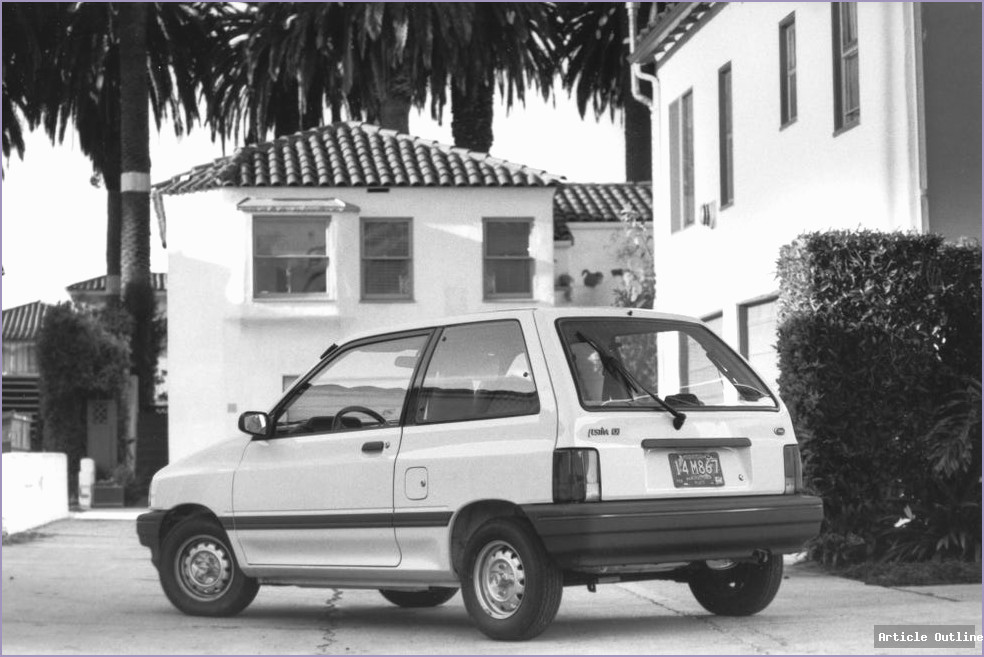
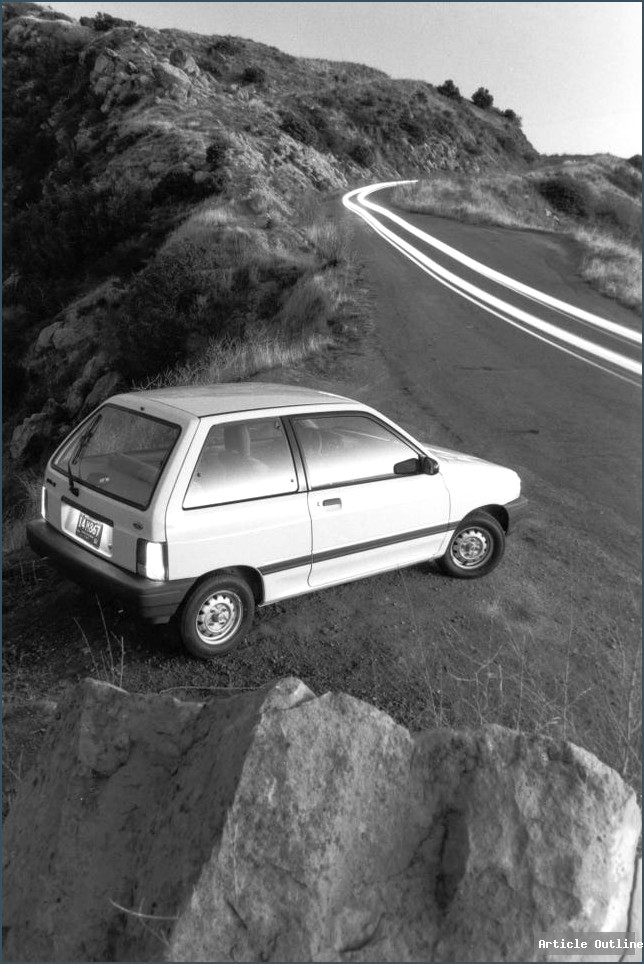
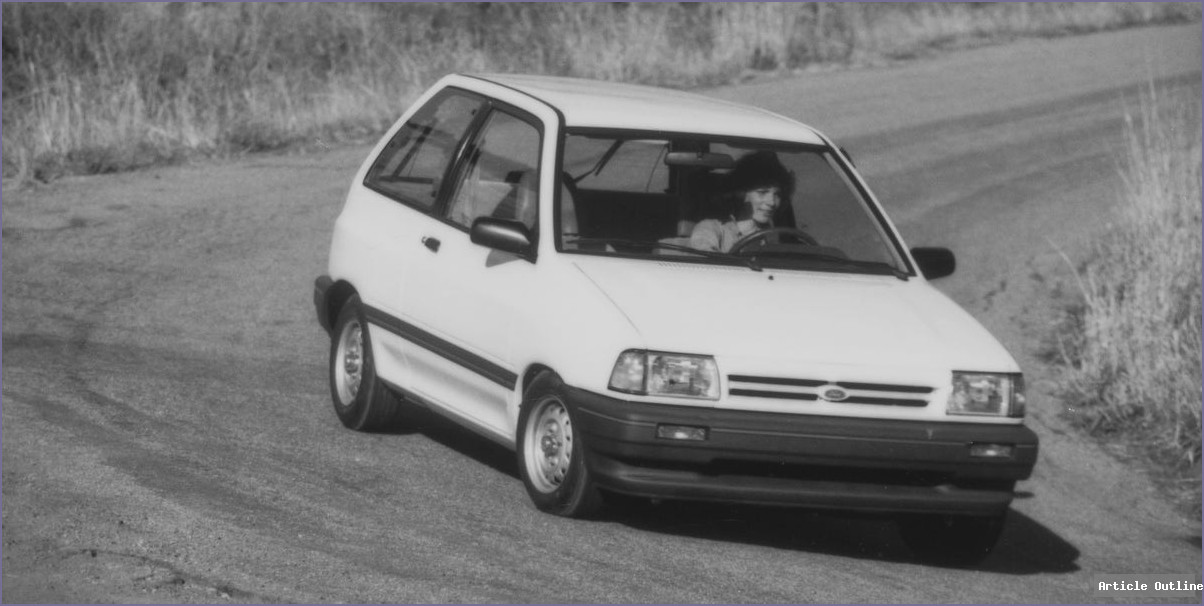
The 1987 Ford Festiva LX isn’t just a quirky footnote in automotive history—it’s a pivotal example of how global partnerships, changing consumer tastes, and economic pressures gave rise to the modern hatchback. Here’s why this little econobox deserves a second look—and what most people miss about its place in the car world.
Why This Matters
- The Festiva’s DNA is a global affair: Designed by Mazda, built by Kia, and sold by Ford, it’s a true international effort—long before co-manufacturing became the industry norm.
- It targeted young, upwardly mobile buyers, not just budget shoppers. Ford wanted to catch future loyalists early, betting that today’s Festiva driver would be tomorrow’s Taurus or Explorer customer.
- The Festiva represents a shift in the economy car market. In the late 1980s, cars like the Honda Civic and Toyota Tercel were moving upmarket, leaving a gap for no-frills, value-packed hatchbacks.
What Most People Miss
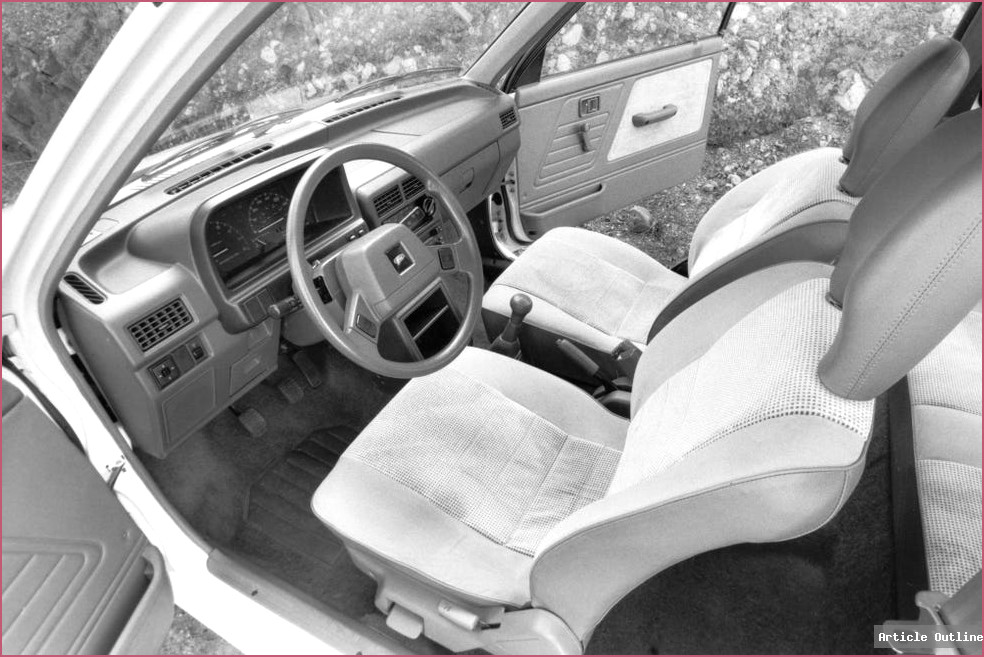
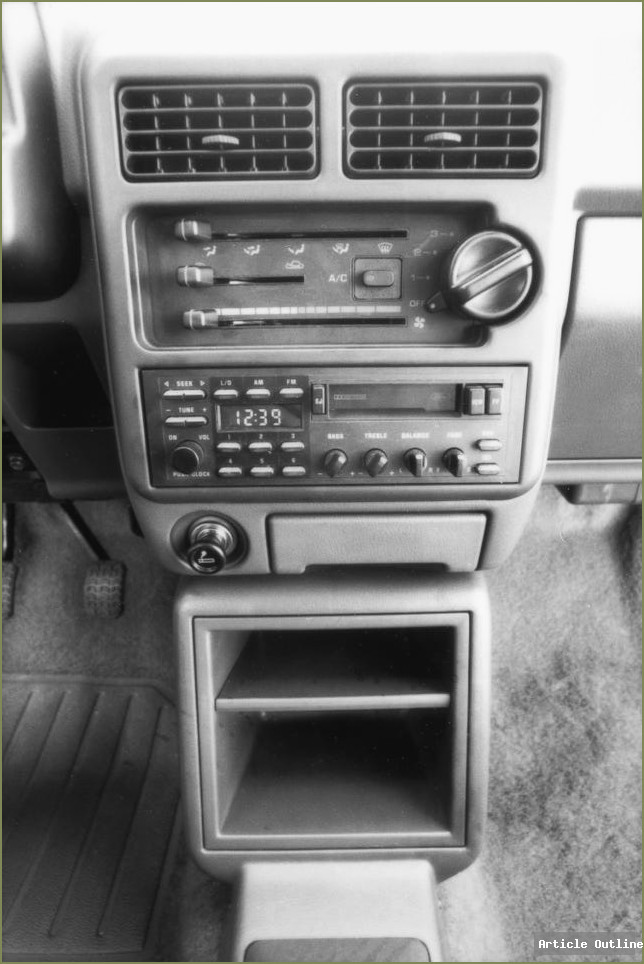
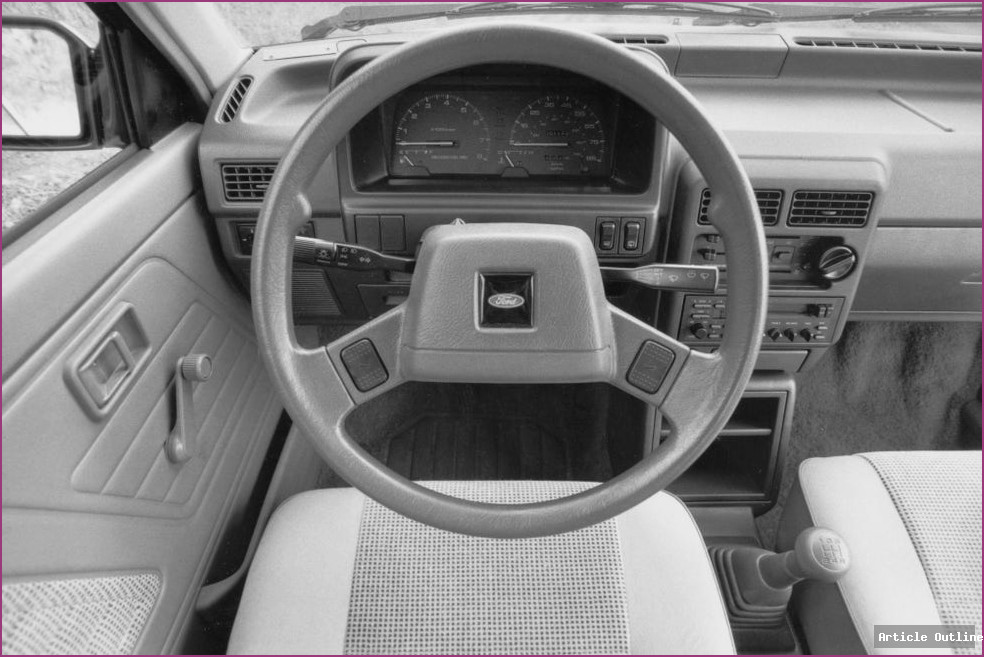
- It’s not just “cheap transportation.” The LX trim, in particular, came respectably equipped: AM/FM stereo, intermittent wipers, tilt steering, electric mirrors, and even cloth door inserts. No penalty box here.
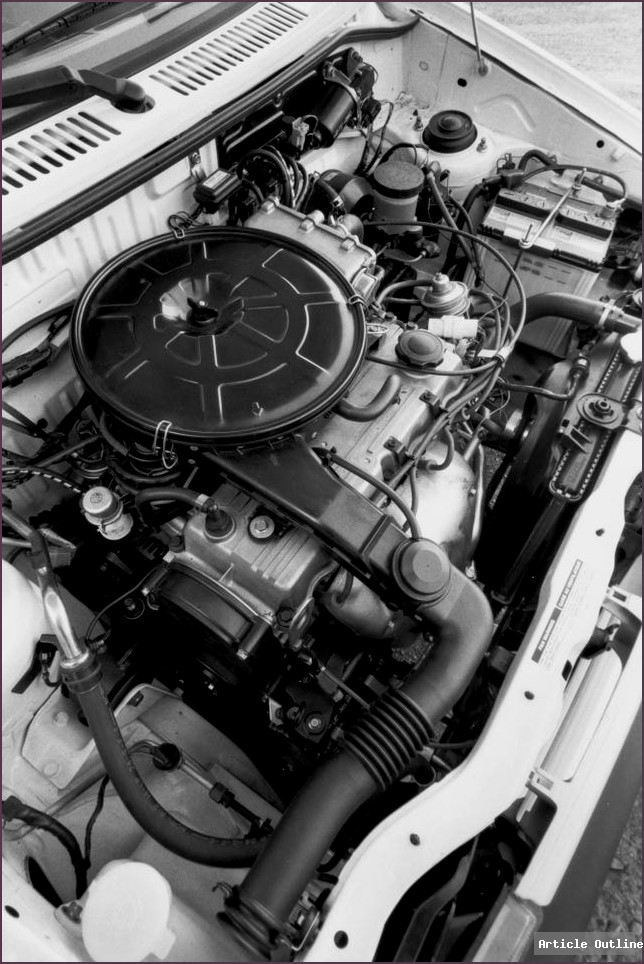
- The Festiva’s Mazda engine and engineering meant it was more refined than many rivals (looking at you, Yugo). The 1.3L inline-four was modest at 58 hp, but paired to a featherweight 1820 lb body, it delivered lively real-world driving.
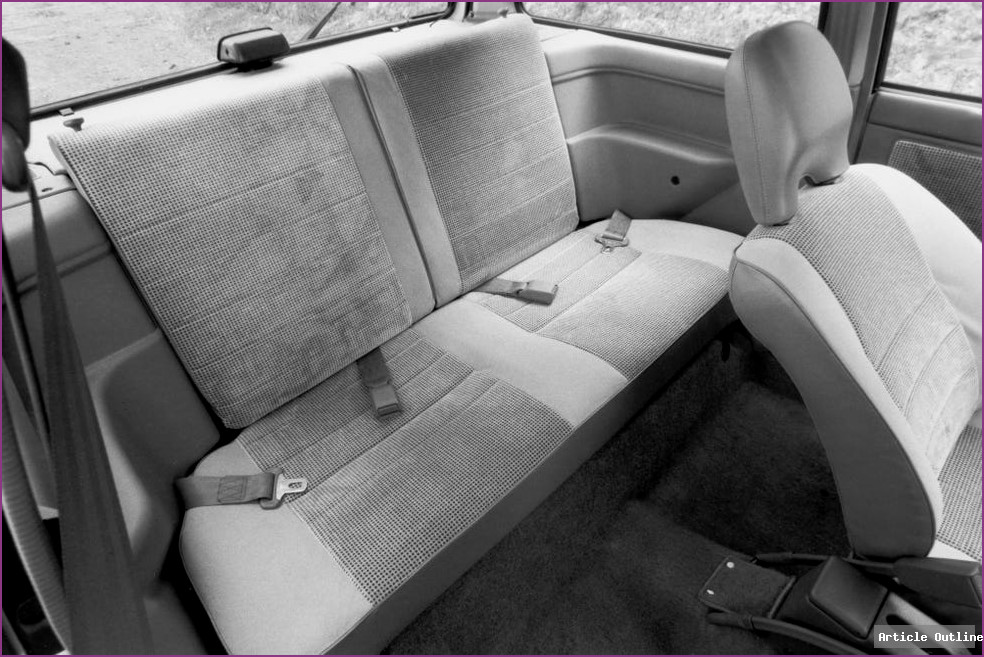
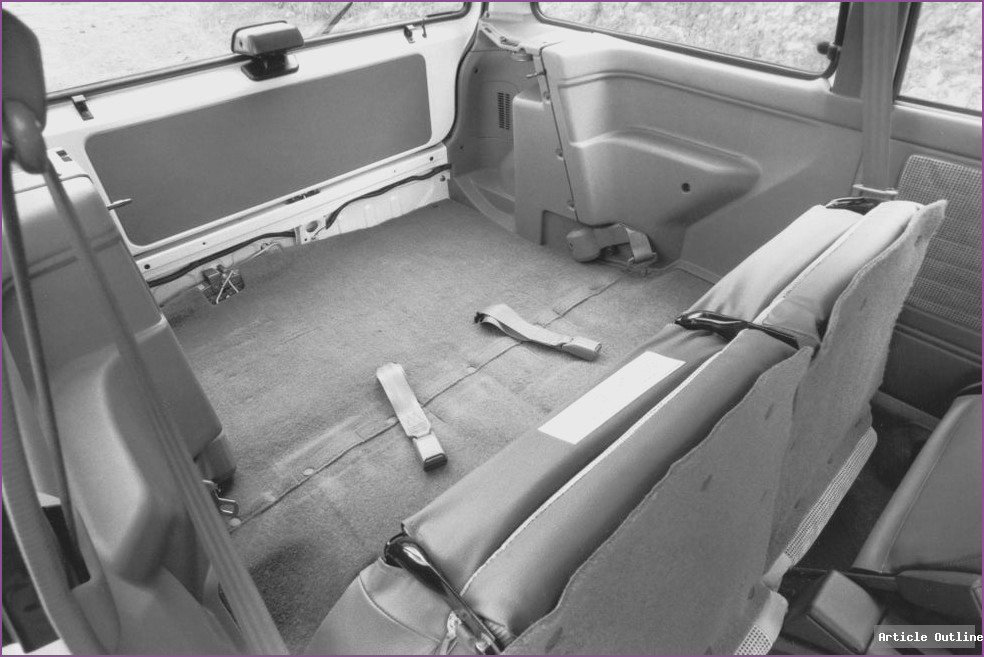
- Build quality and ergonomics were a cut above—a surprisingly high level of fit and finish for the class, plus clever packaging that offered a usable rear seat and up to 12 cu ft of cargo room.
Key Takeaways & Analysis
- Market Positioning: The Festiva LX’s price ($6,900 base, $8,000 as tested) actually put it above some larger, faster, and more sophisticated rivals like the Honda Civic and Ford Escort. Yet, Ford banked on buyers valuing features over raw size and power.
- Performance: 0–60 mph in 13.2 seconds, 35 mpg observed, and 39/43 mpg EPA rated. Not a rocket, but remarkably efficient—especially in an era when fuel economy was still a selling point (even as big cars made a comeback).
- Handling & Ride: MacPherson struts in front, trailing twist axle rear, and rack-and-pinion steering made for responsive handling, though skinny tires (0.69g on the skidpad) limited ultimate grip.
- Globalization Preview: The Festiva’s international production model (Mazda design, Kia build, Ford badge) foreshadowed the global platforms and joint ventures that now dominate the industry.
Industry Context & Comparisons
- Competitors included the Hyundai Excel, Yugo, Chevy Sprint, Subaru Justy, and VW Fox. The Festiva outclassed many in refinement and features, though it was pricier than some.
- Today’s econoboxes (think Kia Rio, Mitsubishi Mirage, Chevy Spark) owe much to the Festiva’s formula: global development, smart packaging, and targeting first-time buyers with value and style.
- Ford’s early stake in Kia and collaboration with Mazda was a prescient move—Kia would become a global powerhouse, and Mazda’s engineering chops would benefit Ford for decades.
Timeline: The Festiva’s Place in Small-Car Evolution
- 1982: Ford and Mazda deepen partnership
- Mid-1980s: Kia (with Ford’s investment) ramps up car production in Korea
- 1987: Festiva launches, replacing the Ford Fiesta in many markets
- Late 1980s: Festiva becomes a cult favorite among first-time buyers and urban drivers
- 1990s: The Festiva’s formula—affordable, well-equipped global hatchbacks—becomes an industry standard
Pros & Cons at a Glance
- Pros: Excellent fuel economy, well-equipped for the class, quality construction, fun-to-drive gearbox, clever interior packaging
- Cons: Slower than rivals in top gear, pricier than some competitors, limited cornering grip, rear seat tight for tall passengers
The Bottom Line
The 1987 Ford Festiva LX is more than a nostalgic oddball—it’s a car that helped shape the future of affordable motoring, connecting continents and consumer segments in a way few cars before it had done. It’s proof that even the humblest econobox can have an outsized legacy. Next time you spot a Festiva, remember: you’re looking at a global pioneer, not just a cheap ride.

Sources: