Buying a used car can feel like walking into a lion’s den—especially if you can barely tell a spark plug from a cupholder. Most guides throw jargon at you or rehash common sense. Here, I’ll break down what really matters, expose the hidden traps, and arm you with strategies even seasoned buyers overlook. Ready to outsmart the market?
Why This Matters
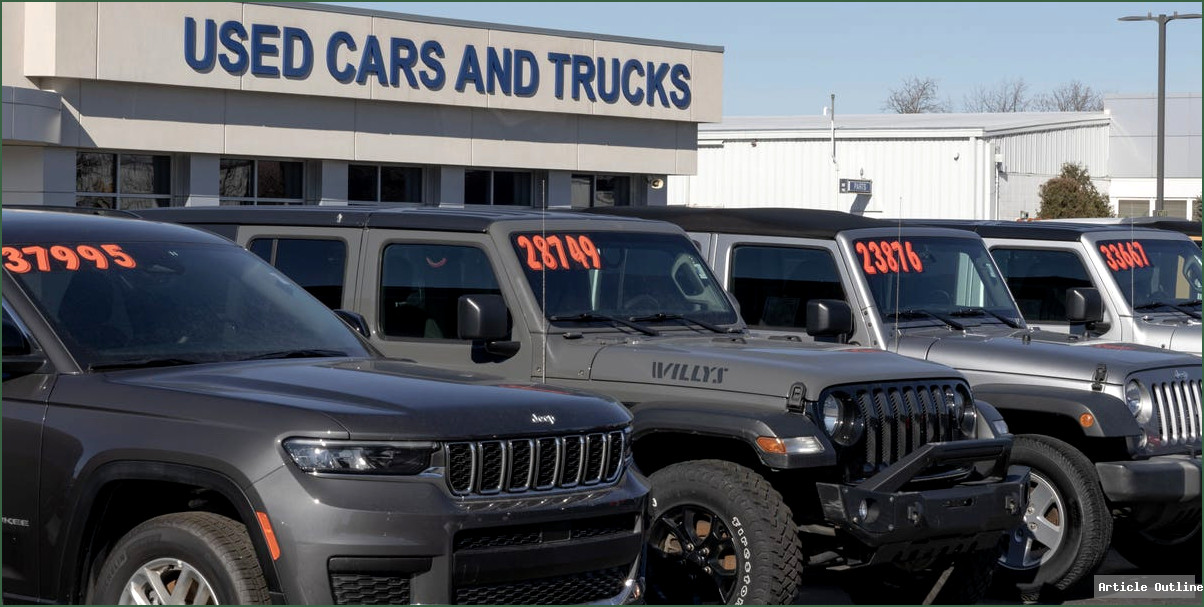
- Used cars now make up over 70% of car sales in the US, thanks to ongoing new vehicle shortages and soaring prices.
- With average used car prices hovering around $28,000 as of early 2024, making a mistake could cost you thousands—and possibly leave you stranded with costly repairs.
- Dealership markups, post-pandemic market shifts, and an influx of first-time buyers mean the old rules don’t always apply.
What Most People Miss
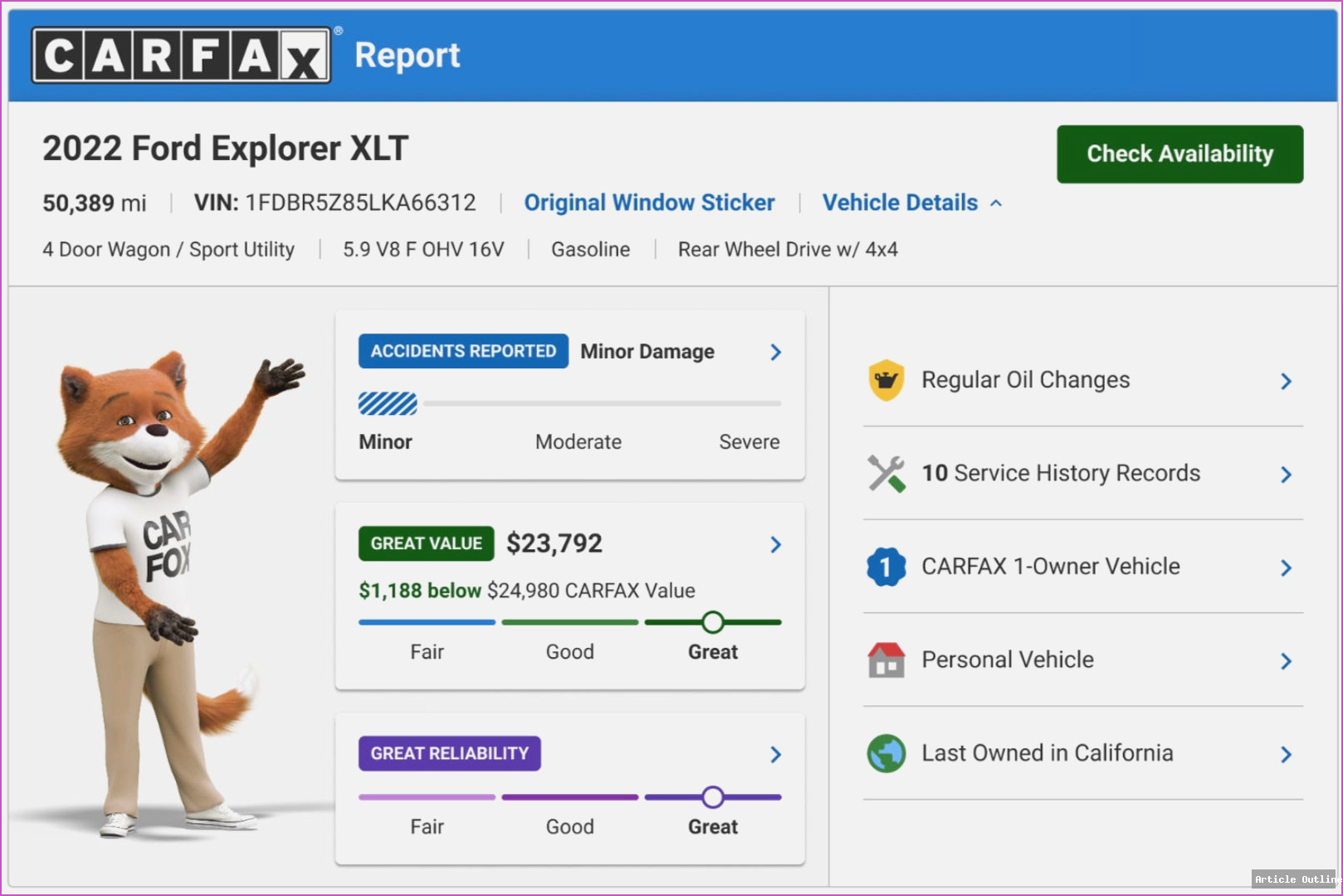
- Carfax is a tool for eliminating the worst options, not finding the best. A clean report isn’t a golden ticket—minor accidents and major repairs can still go unreported.
- Don’t obsess over the number of previous owners or service records. A single bad owner can ruin a car, while multiple good owners can keep it in great shape.
- Many buyers ignore local climate and geography: Rust Belt and coastal cars often hide corrosion issues that won’t show up in a basic inspection or report.
- Short-term ownership is a red flag. If a car was owned for less than a year, ask why—often, folks offload cars with expensive, unresolved problems.
Key Takeaways: The Pro Checklist for Non-Pros
- Oil Change Intervals Matter: Look for evidence of regular oil changes (every 3,000-5,000 miles). This signals a cared-for engine.
- Transmission Fluid Changes: Especially important for CVTs—should be done by 60,000 miles.
- Registration History: Avoid cars from regions with heavy salt, snow, or sand.
- Call Previous Mechanics: Shops often share what was done—and what was left undone.
- Test Drive Like a Detective: Spend at least 20 minutes. Check every button and system with the car parked and running. Listen for odd sounds. Feel for weird vibrations or shifts.
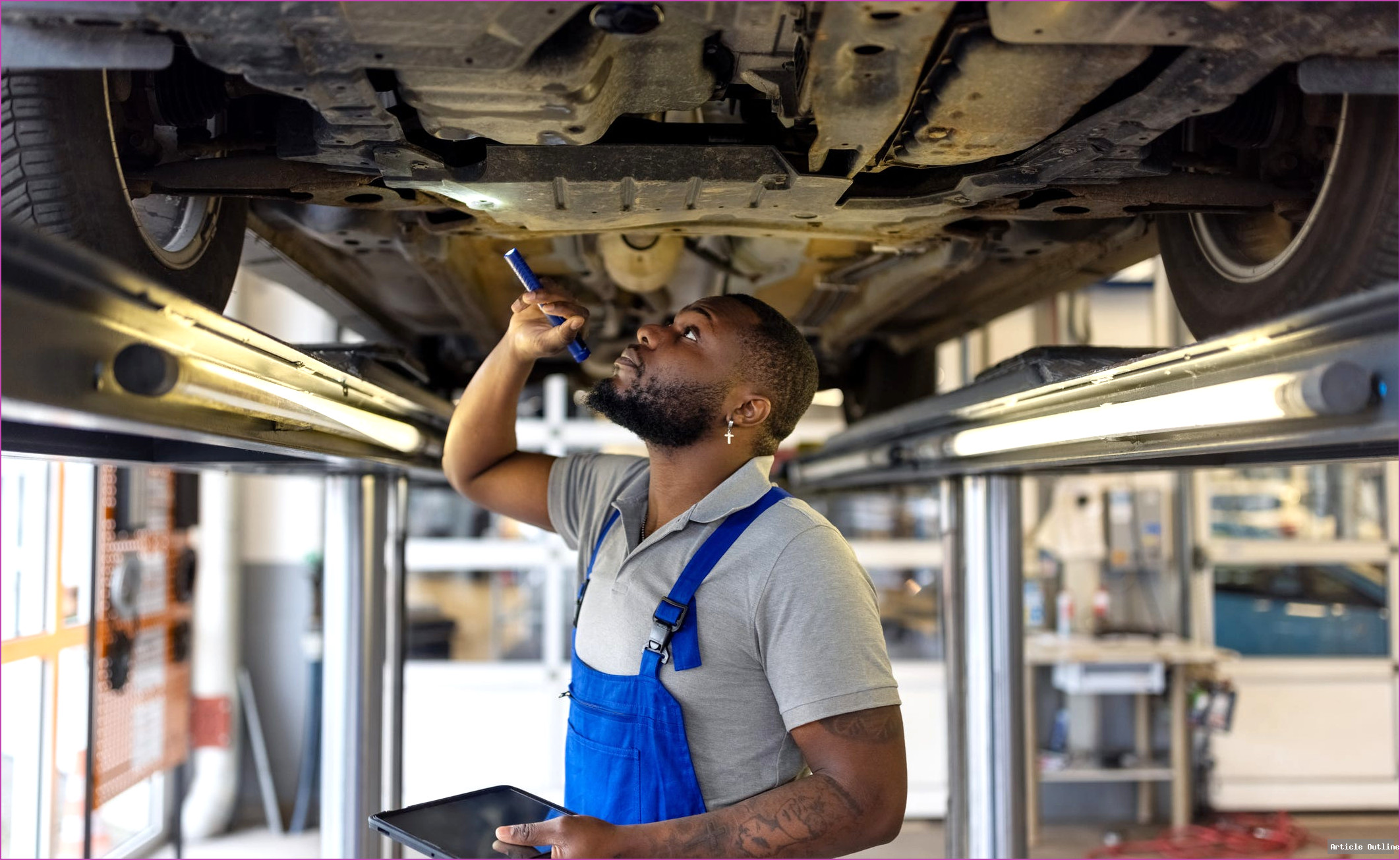
- Get an Independent Inspection: Prefer established shops with fewer than 500 Google reviews (less chance of fakes). Read low-star reviews for honesty.
Comparison: Why This Approach Beats the Basics
- Most guides say “get a Carfax, take a test drive, and get an inspection.” This approach digs deeper: focus on owner patterns, regional risks, and direct contact with shops—not just the seller.
- Few buyers actually call repair shops to ask about a car’s service history. This step alone can reveal hidden repair needs and save you thousands.
Action Steps for Used Car Newbies
- Research the car’s history—look for oil and transmission service, avoid rust-prone regions, and check ownership duration.
- Contact the last repair shop—ask about past and needed repairs. Offer to leave a positive review as thanks.
- Have a real conversation with the seller—polite probing gets more info than rapid-fire questions.
- Test every system: windows, locks, HVAC, sunroof (with permission), and electronics before even leaving the driveway.
- Don’t skip the expert inspection—and always talk directly to the mechanic for their honest take.
- Budget for repairs. Expect to spend $1,000+ on a $5,000–$10,000 car. That’s reality, not pessimism.
Industry Context and Trends
- Online used car sales (Carvana, Vroom, etc.) are booming, but inspections and real conversations still matter.
- EVs and hybrids have unique used car risks—battery health reports and specialized inspections are a must.
- Post-pandemic, more buyers are skipping dealers altogether, so private sales require extra diligence to avoid scams.
The Bottom Line
Buying a used car shouldn’t feel like a gamble. The secret sauce is curiosity, patience, and direct research. Don’t get seduced by shiny paint or a smooth-talking seller—dig for the truth in the service history, the region, and the daily use. Ask mechanics, not just sellers. And always, always listen to your gut. If something feels off, walk away. There’s always another car.
Sources: