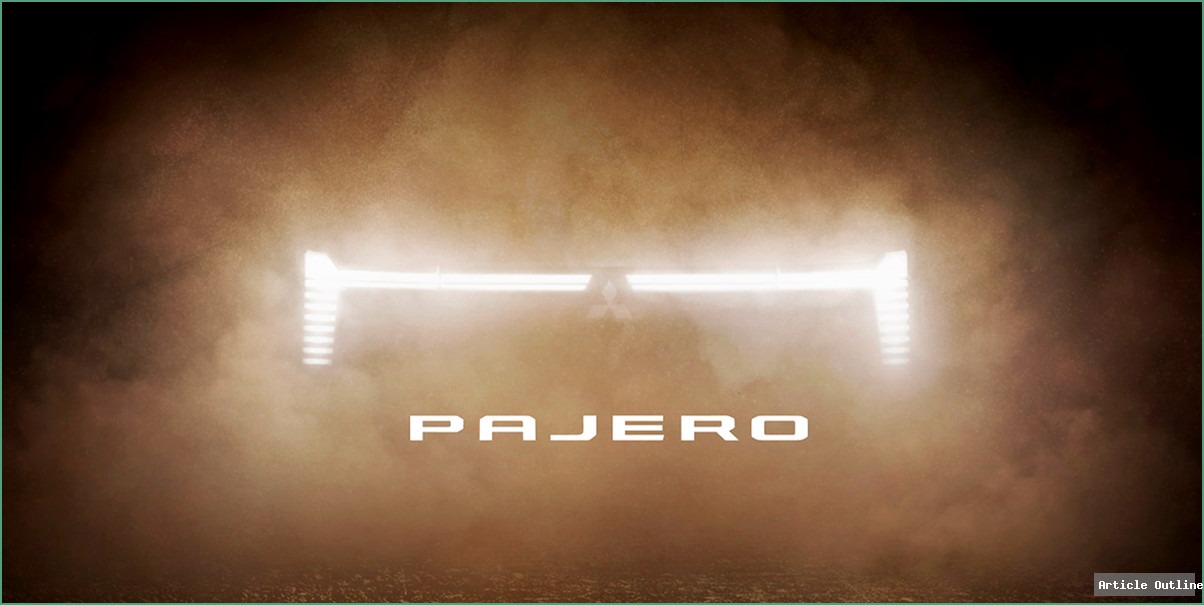
The off-road world is abuzz: Mitsubishi is officially reviving the legendary Pajero, a nameplate synonymous with rugged adventure since 1982. While the automaker teased its return earlier this year, we now know the new Pajero will debut this fall, riding on a robust ladder-frame chassis borrowed from the Triton pickup. Beneath the surface, though, there’s a lot more going on than another nostalgia play.
Why does this matter? Because Mitsubishi isn’t just dusting off a classic badge—it’s signaling a renewed commitment to serious off-road capability and, potentially, a play for a slice of the booming global SUV pie, including the lucrative U.S. market. This move has deeper implications for both enthusiasts and the broader SUV industry.
Why This Matters
- Iconic Nameplates Drive Sales: The return of the Pajero taps into a wave of nostalgia, much like Ford’s Bronco or Toyota’s Land Cruiser relaunches. Automakers are realizing that heritage sells—especially with a new generation of buyers who crave authenticity and adventure.
- Off-Road Boom: Over the last five years, the global off-road SUV segment has exploded. According to S&P Global, rugged SUVs saw a 24% sales increase from 2018–2023, outpacing traditional crossovers.
- Platform Strategy: Mitsubishi’s choice to base the Pajero on the Triton’s ladder-frame architecture (rather than a Nissan platform) could limit its direct U.S. entry, given regulatory hurdles. Still, the company’s recent trademarking of the “Montero” name in America hints at strategic intent.
What Most People Miss
- Unique but Risky Platform: While the Pajero’s platform promises real off-road ability, it also creates a barrier for U.S. homologation. This could delay or complicate a North American launch—unless Mitsubishi invests in certification.
- Global Vehicle, Local Challenges: Mitsubishi calls the Pajero a “global vehicle,” but sharing bones with the Triton (not sold in America) means it might miss out on the world’s largest SUV market unless there’s serious adaptation.
- Not Just a Rebadge: Mitsubishi is designing a unique cabin and suspension for the Pajero, indicating it’s not just a Triton with a different shell. Expect real off-road comfort and capability.
Key Takeaways
- The Pajero’s return is more than nostalgia—it’s Mitsubishi’s statement that it wants back in the global off-road game.
- If it reaches the U.S. as the Montero, it will face heavyweights like the Ford Bronco, Jeep Wrangler, and Toyota 4Runner.
- Success hinges on balancing global appeal with local market requirements—and delivering on true off-road promise, not just looks.
Pros & Cons Analysis
- Pros:
- Authentic ladder-frame underpinnings for real off-road use
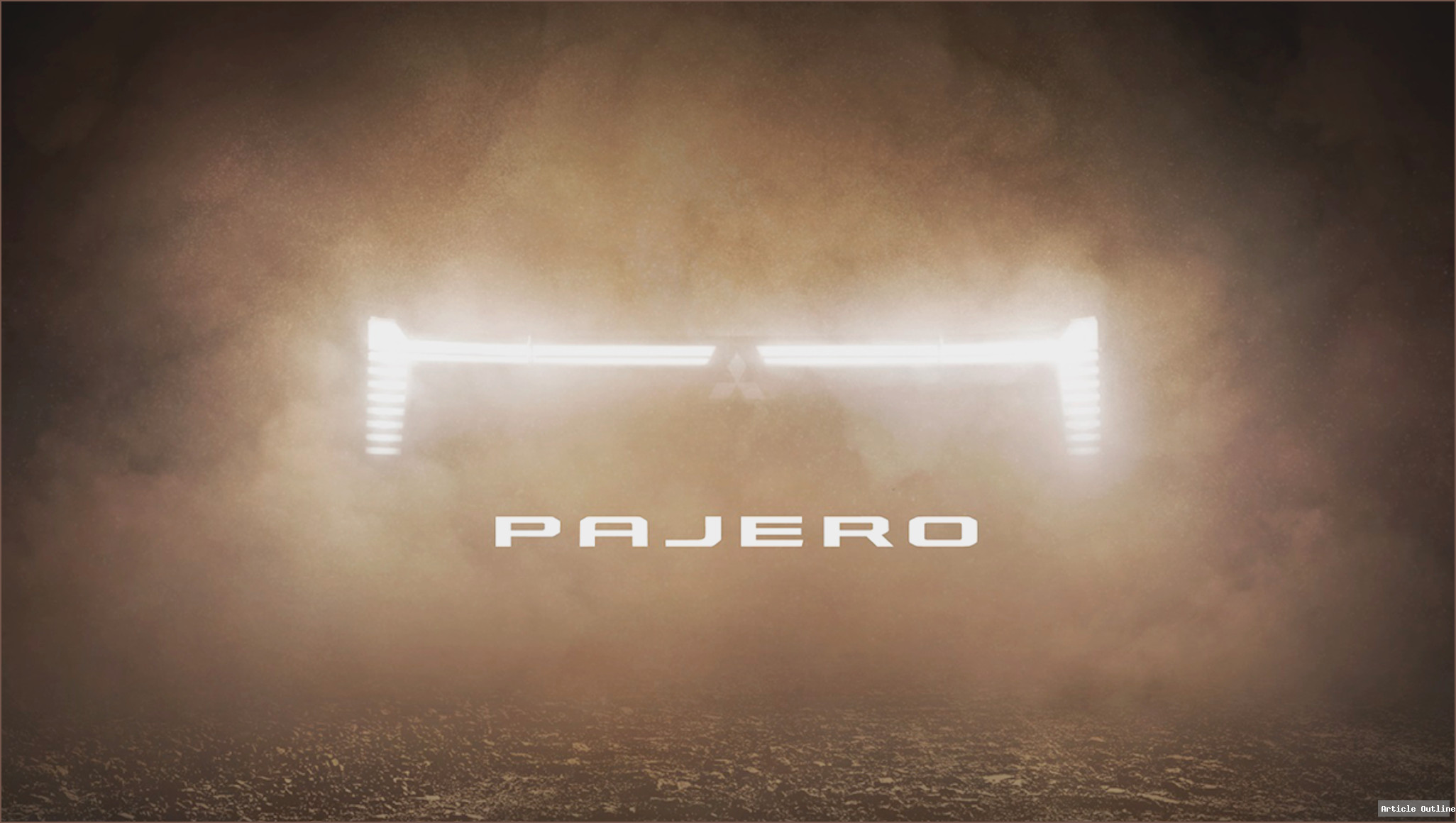
- Heritage styling with modern lighting—distinct T-shaped headlights
- Potential U.S. comeback under the “Montero” badge
- Cons:
- Platform may not be U.S.-certified, risking no North American launch
- Late to the off-road renaissance compared to rivals
- Unknowns about powertrain, features, and pricing
Timeline: Pajero’s Journey
- 1982: Pajero nameplate launches, quickly gaining off-road cred
- 2006: Montero (U.S. version) discontinued in America
- 2021: Pajero ceases global production
- 2024: Mitsubishi trademarks “Montero” for U.S. market
- Fall 2025: New Pajero global reveal
The Bottom Line
The Pajero’s revival is a bold move by Mitsubishi. If they can deliver both off-road substance and market-savvy adaptations, the brand could re-enter the conversation among serious SUV contenders. But without U.S. homologation or a clear strategy for North America, Mitsubishi risks missing out on the world’s most passionate SUV buyers. Watch this space—the next chapter of the Pajero legend could rewrite the rules of the modern off-road SUV.