The new Toyota Hyper Z Prototype isn’t just a wild concept—it’s a rolling piece of automotive culture that flips everything you think you know about pickup trucks upside down. Built as an audacious tribute to Thailand’s infamously extreme truck customizing scene, Toyota’s latest one-off is a bold statement about the future of utility vehicles and how carmakers are learning to embrace enthusiast culture.
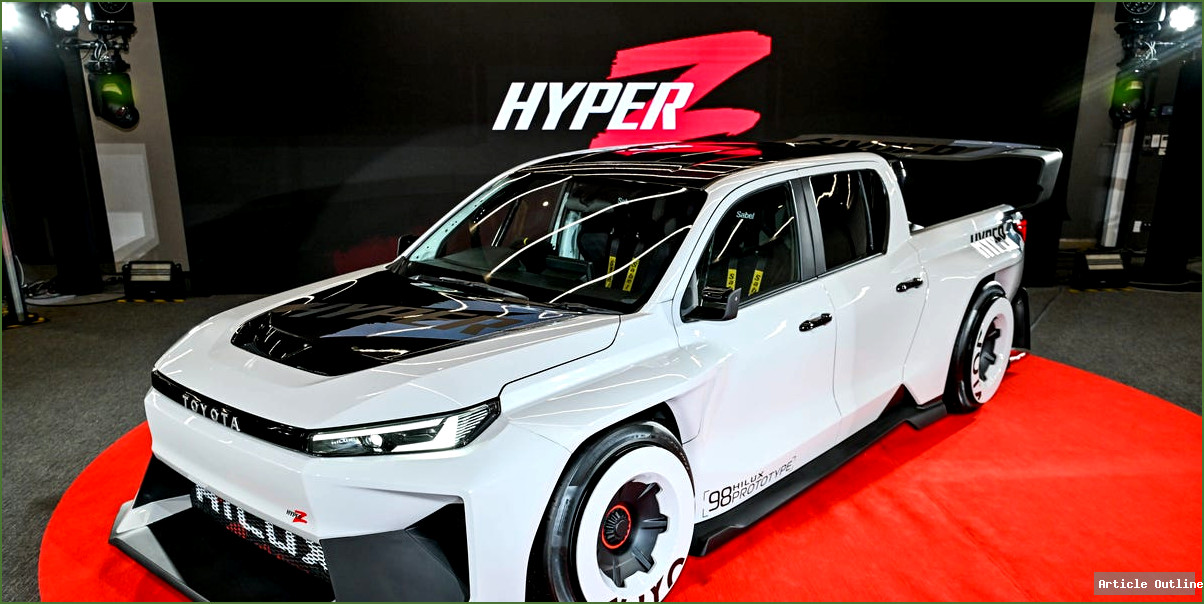
But what makes the Hyper Z so fascinating isn’t just its look—it’s the cultural conversation it sparks about utility, design, and the global reach of car culture.
Why This Matters
- Automakers are finally recognizing and celebrating regional car cultures. The Hyper Z isn’t just a marketing gimmick; it’s a sign that even giants like Toyota see value in grassroots enthusiasm.
- Redefining pickup trucks beyond utilitarian workhorses. The Hilux has always been known for its toughness, but this prototype shows pickups can be both practical and wildly expressive.
- A wake-up call for U.S. truck design? While American trucks get taller and more utilitarian, Toyota hints at the potential for low-floor, easier-to-use pickups—something sorely missing in the current market.
What Most People Miss
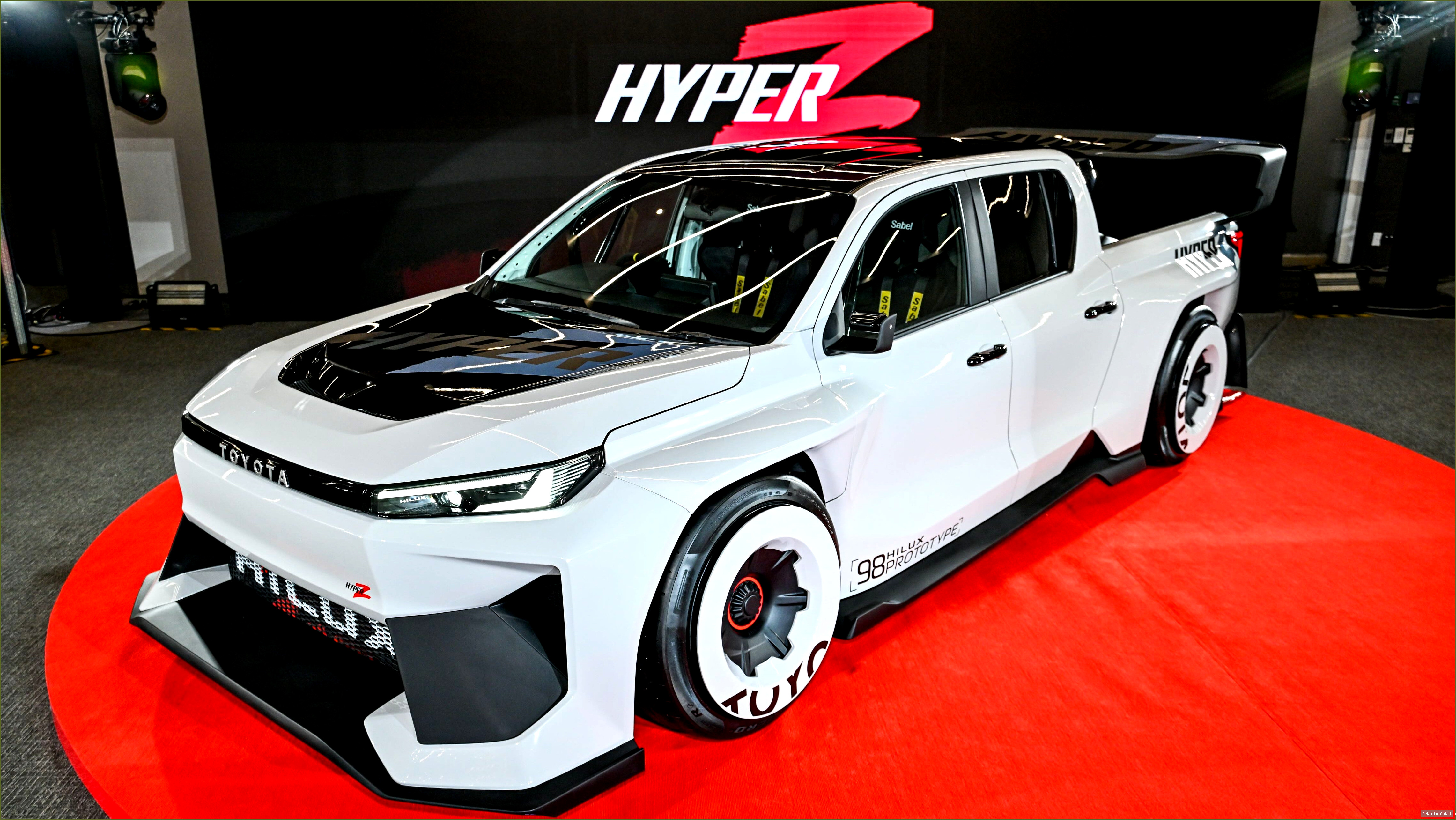
- This isn’t just about looks. The Hyper Z’s aerodynamic bodywork, massive 22-inch wheels, and the outrageous bed-sized X-shaped wing are more than visual stunts—they’re a nod to Thailand’s drag-racing and tuning culture, where form and function collide.
- No power figures? No problem. Toyota’s silence on performance specs is intentional—the Hyper Z is about celebrating what’s possible, not what’s practical. It’s a love letter to customization, not a spec sheet war.
- Spotlight on overlooked markets. The Hilux isn’t even sold in the U.S., yet its legend is global, thanks in part to pop culture (hello, Top Gear). This build is a bridge between cultures and continents.
Key Takeaways
- The Hyper Z Prototype is designed by Toyota Australia as a tribute to Thailand’s wild pickup scene.
- Features include:
- Massive widebody kit and 22-inch wheels with 325/35 tires
- Table-sized front splitter and rear diffuser
- Bed replaced by an X-shaped aerodynamic wing
- Hilux-branded intercooler (no official power numbers released)
- It’s a concept to inspire, not a production blueprint—reminding us that car culture can and should be fun.
Industry Context & Comparisons
- Thailand is one of the world’s largest pickup truck markets, with unique regulations and a strong customizing community. Street-legal drag trucks are a huge deal.
- Contrast with the U.S., where trucks are getting taller and more utilitarian, making them less accessible for everyday loading/unloading. Overseas, low-floor models like the Hilux Travo Z are designed for practicality and customization.
- SEMA in Vegas vs. Daikoku in Japan vs. Thai truck culture: Each region expresses automotive passion differently, but Toyota’s Hyper Z shows an openness to cross-pollination between global car scenes.
Timeline: How We Got Here
- Hilux gains legendary status for durability (thanks, Top Gear!)
- Thai customizers turn pickups into performance icons
- Toyota launches Hilux Travo Z Edition for Thailand
- Toyota Australia creates the Hyper Z Prototype as the ultimate tribute
Pros & Cons Analysis
- Pros:
- Celebrates regional car culture in a big way
- Innovative design that grabs attention
- May influence future practical, customizable truck designs
- Cons:
- Completely impractical for hauling (that wing eats the bed!)
- No concrete performance boost disclosed
- Not intended for production—don’t expect to see it at your local dealer
The Bottom Line
The Toyota Hyper Z Prototype is more than a showpiece—it’s a bold, spicy celebration of automotive passion, reminding us that car culture is alive, global, and gloriously weird. Whether you love or hate the look, you can’t deny its impact. Here’s hoping automakers keep tapping into the wild side of the enthusiast world—because sometimes, the best ideas come from the streets (or the back roads of Thailand) rather than the boardroom.