The recent recall of over 48,000 Toyota Tacoma TRD Off-Road models for faulty Bilstein dampers is making waves in the truck community—and for good reason. This isn’t just another recall; it’s a spotlight on the complexities and challenges of delivering high-performance components in today’s off-road vehicles.
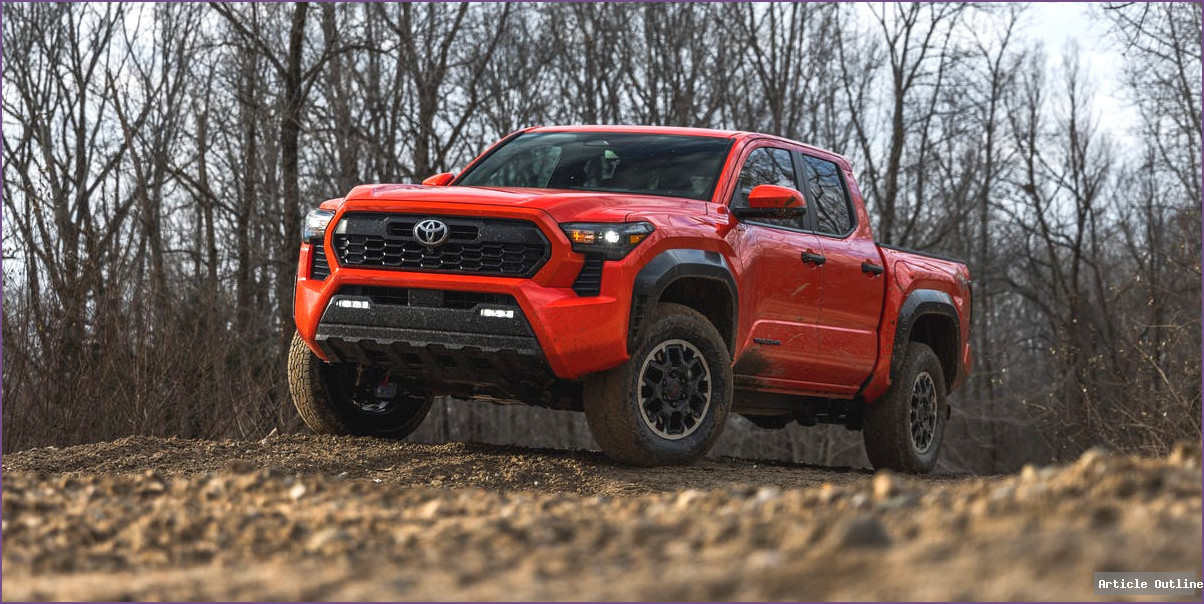
Let’s break down why this recall isn’t just a headache for Toyota, but also a lesson for the entire industry—and a wake-up call for truck enthusiasts everywhere.
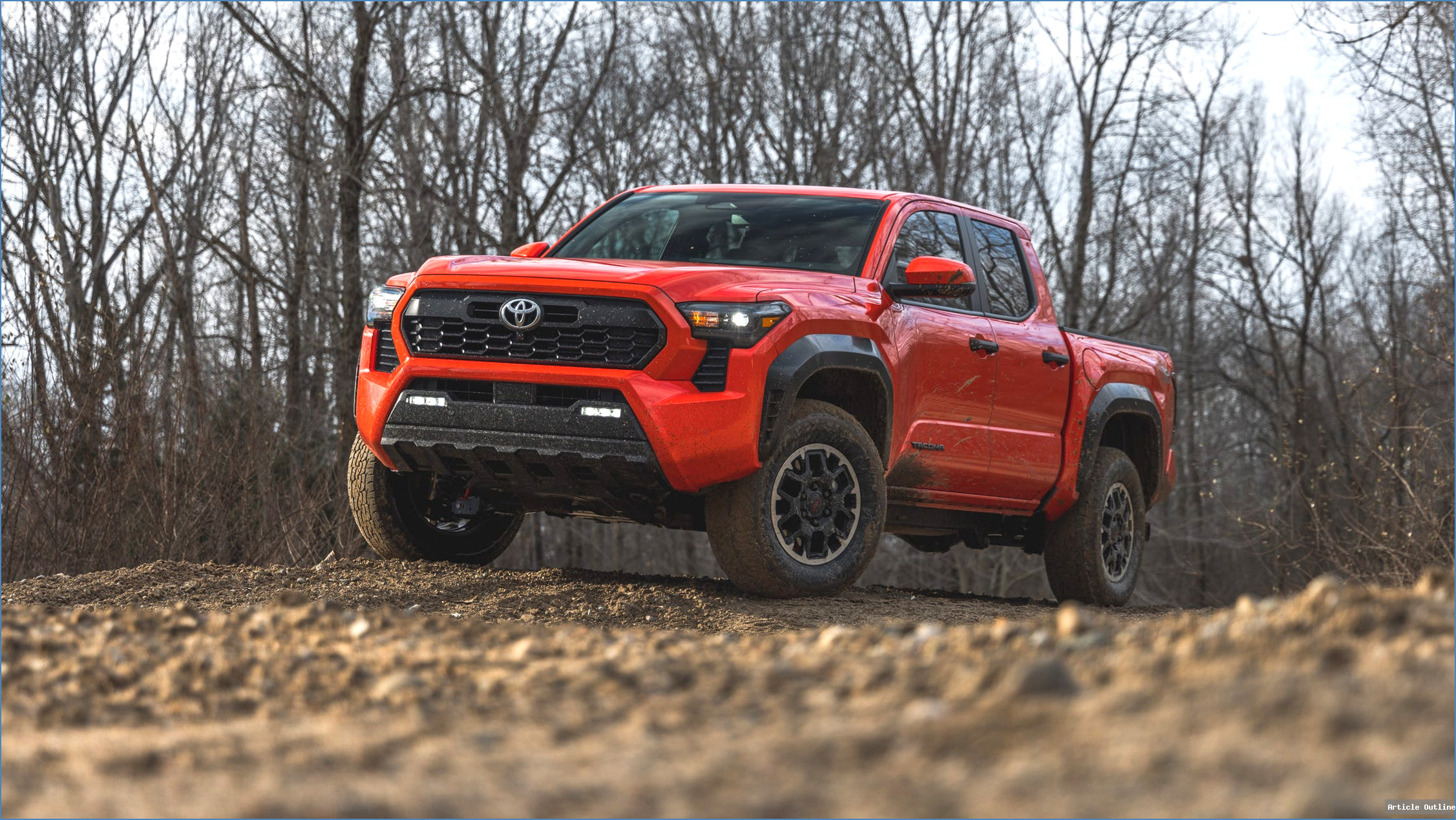
Why This Matters
- Safety Is About More Than Airbags and Brakes: The failure of a damper’s external reservoir isn’t just inconvenient—it creates a potential road hazard, with parts that could detach while driving.
- Reliability Under Real-World Conditions: The Tacoma’s Bilstein shocks were designed to tackle tough terrain. But as this recall shows, even proven hardware can fail under the assault of salt, rocks, and time.
- Brand Reputation at Stake: The Tacoma is legendary for durability. Recalls like this can chip away at consumer confidence if not handled transparently and swiftly.
What Most People Miss
- The Role of Untreated Metal: The Achilles’ heel here was a small area of untreated metal between the reservoir, flange, and damper body. Corrosion in this overlooked region led to weld failure. It’s a reminder that the “devil is in the details”—especially with components exposed to harsh environments.
- Supplier Dynamics: Bilstein, a respected name in shocks, is at the heart of this. This isn’t a “cheap part” issue—it’s a case where even premium suppliers can face unforeseen problems when designs encounter real-world abuse.
- The Recurrence of Recalls in Off-Road Trucks: We’ve seen similar issues with other brands—Ford’s F-150 Raptor and Jeep’s Wrangler have faced recalls tied to off-road upgrades. The quest for better performance comes with engineering trade-offs.
Key Takeaways
- Toyota will inspect and replace affected damper assemblies for free, with improved parts on the way.
- The recall affects 2024–2025 Tacoma TRD Off-Road models—double-check your VIN if you own one.
- Dealers have been notified, and owners will get letters by October 5, 2026.
- The issue led to at least 62 warranty claims and 20 technical reports—evidence it’s not just a theoretical risk.
Industry Context & Comparisons
- Off-road trucks increasingly feature “piggyback” remote reservoirs for better performance, but this adds complexity and more points of failure.
- Corrosion is a perennial enemy—especially in regions that use road salt. The NHTSA reports that corrosion-related recalls in the auto sector have increased by over 35% in the last decade.
Timeline of Events
- September 2025: First reports of leaky dampers emerge.
- Dealership inspection reveals missing external reservoir.
- Supplier Bilstein and Toyota engineers investigate—find untreated flange is the culprit.
- By July 2026: 62 warranty claims filed.
- August 2026: Toyota announces recall; dealers notified.
- October 2026: Owner notifications scheduled.
Pros and Cons Analysis
- Pros:
- Proactive recall prevents accidents and safeguards reputation.
- Free repairs with upgraded parts.
- Cons:
- Potential for temporary loss of trust in Tacoma’s legendary toughness.
- Inconvenience for owners who need to schedule repairs.
“The recall proves that even the most robust trucks can have a weak link. For off-roaders, it’s a reminder: inspect your gear regularly, and don’t assume ‘tough’ means ‘indestructible.’”
The Bottom Line
The Tacoma TRD Off-Road recall isn’t just about one part—it’s a cautionary tale for the entire industry. As trucks get more advanced, even small engineering oversights can have big consequences. Toyota’s rapid response is commendable, but the lesson is clear: corrosion never sleeps, and real-world testing is as important as ever.