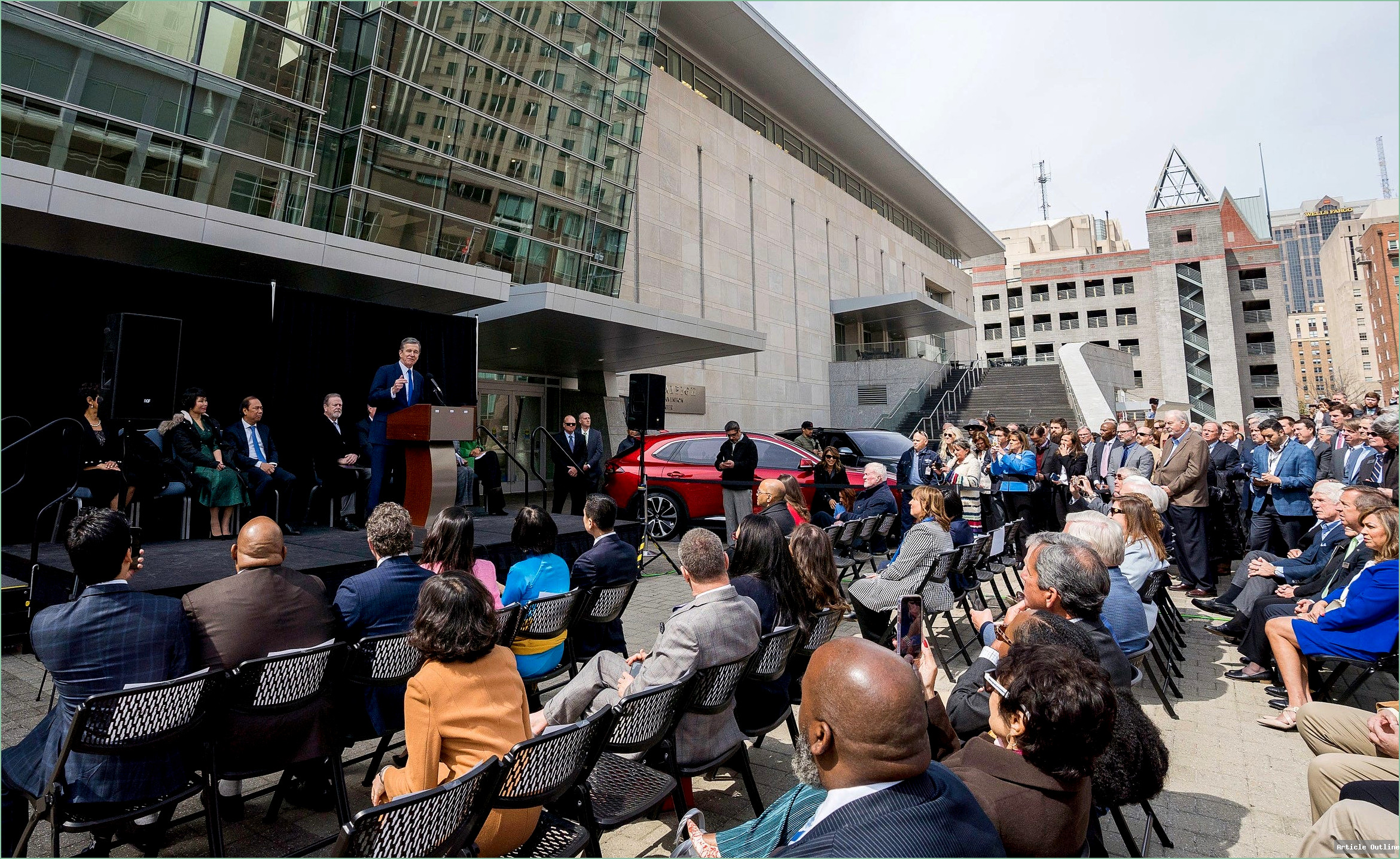
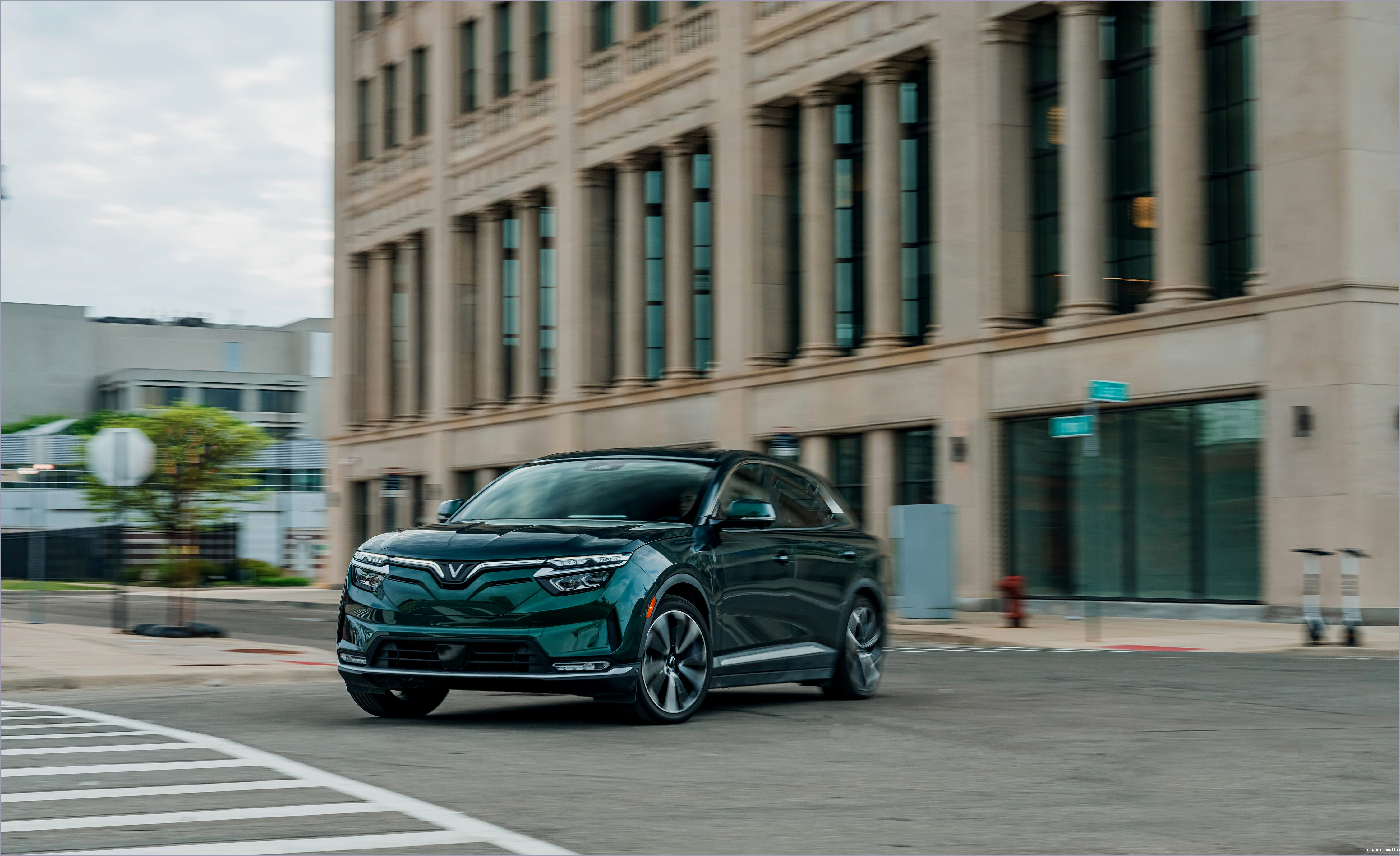
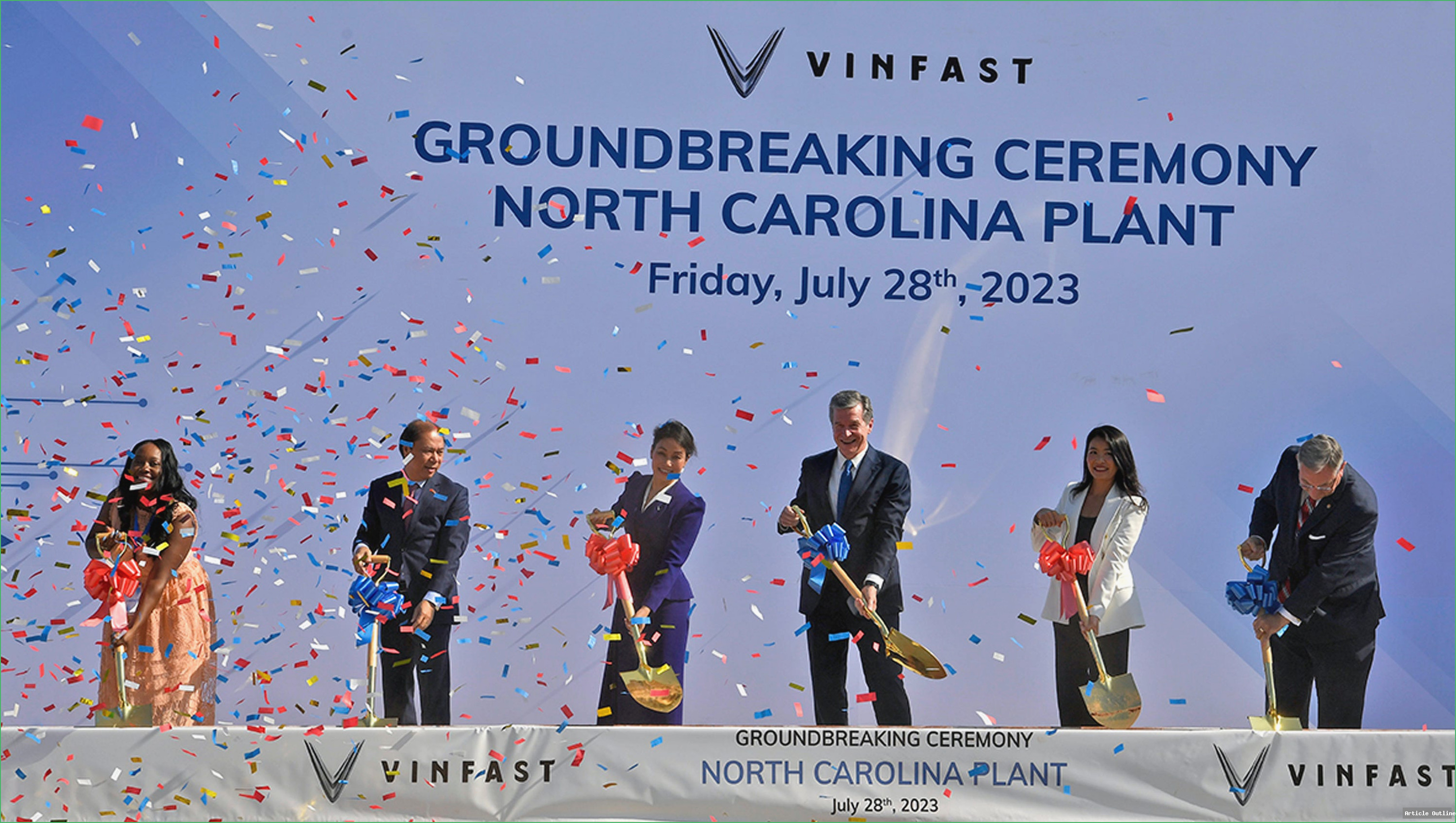
North Carolina’s lawsuit against VinFast over an unbuilt EV factory isn’t just another failed business deal—it’s a warning shot for the entire electric vehicle industry and the states courting it. The state is demanding its money back and the site returned, after VinFast failed to deliver on promises of jobs and investment. But this story is far bigger than a single project gone awry.

Why This Matters
- Economic Development at Risk: North Carolina offered up to $450 million in incentives, betting on 1,750 jobs (and a promised 7,500 in the long run) and a $3 billion investment. Instead, it got a cleared field.
- Taxpayer Safeguards Under Scrutiny: This case tests how well states protect public funds when chasing corporate investments, especially in the white-hot EV sector.
- EV Industry Credibility: When a high-profile EV company misses the mark, it fuels skepticism about the sector’s stability and readiness for prime time in the US.
What Most People Miss
- Not Just a VinFast Problem: Dozens of states are in bidding wars for EV plants. Delays, broken promises, or outright failures are becoming more common as the industry faces supply chain woes, tech hurdles, and shifting demand.
- Contractual Backstops Are Working: North Carolina’s “clawback” provisions are a rare example of government getting tough when companies don’t deliver. Many states lack this level of protection.
- Community Impact: Local hopes are dashed—not just jobs, but secondary businesses, schools, and infrastructure investments were counting on the factory.
Timeline of Events
- March 2022: VinFast and North Carolina announce plans for the Chatham County factory.
- 2023: Site cleared and graded. No further construction starts.
- January 2024: State notifies VinFast it is in default.
- May 2024: North Carolina sues to reclaim funds and the site.
- VinFast’s Response: Promises to build by 2028—not soon enough for state officials.
Industry Context
- The EV Gold Rush: From Tesla’s Gigafactories to Ford’s BlueOval City, states are racing to offer incentives. But not every project pans out—Lordstown Motors, Canoo, and others have stumbled.
- Skepticism Rising: EV sales growth is slowing in the US, and a glut of new players is colliding with consumer caution and high interest rates.
- A Lesson in Due Diligence: North Carolina’s move could embolden other states to be more selective—and more aggressive with protections—in future deals.
Key Takeaways
- States should insist on strong clawback and accountability clauses in incentive deals.
- The “factory announcement” headline means little until shovels actually hit the ground and jobs materialize.
- Communities must diversify their economic bets rather than hinge their future on a single mega-project.
- Investors and job seekers should watch for realistic timelines and transparent progress reports—not just press releases.
The Bottom Line
VinFast’s North Carolina saga is a wake-up call for the entire EV ecosystem. It’s a cautionary tale about hype, hope, and the hard realities of building an auto industry from scratch. As states and automakers race toward an electric future, accountability—financial and otherwise—will be the difference between boom and bust.
Sources:
- Source
- North Carolina AG Announcement
- VinFast VF8 Review
- VinFast VF8 Model Info
- Edelbrock Factory Feature
- VinFast Factory Announcement