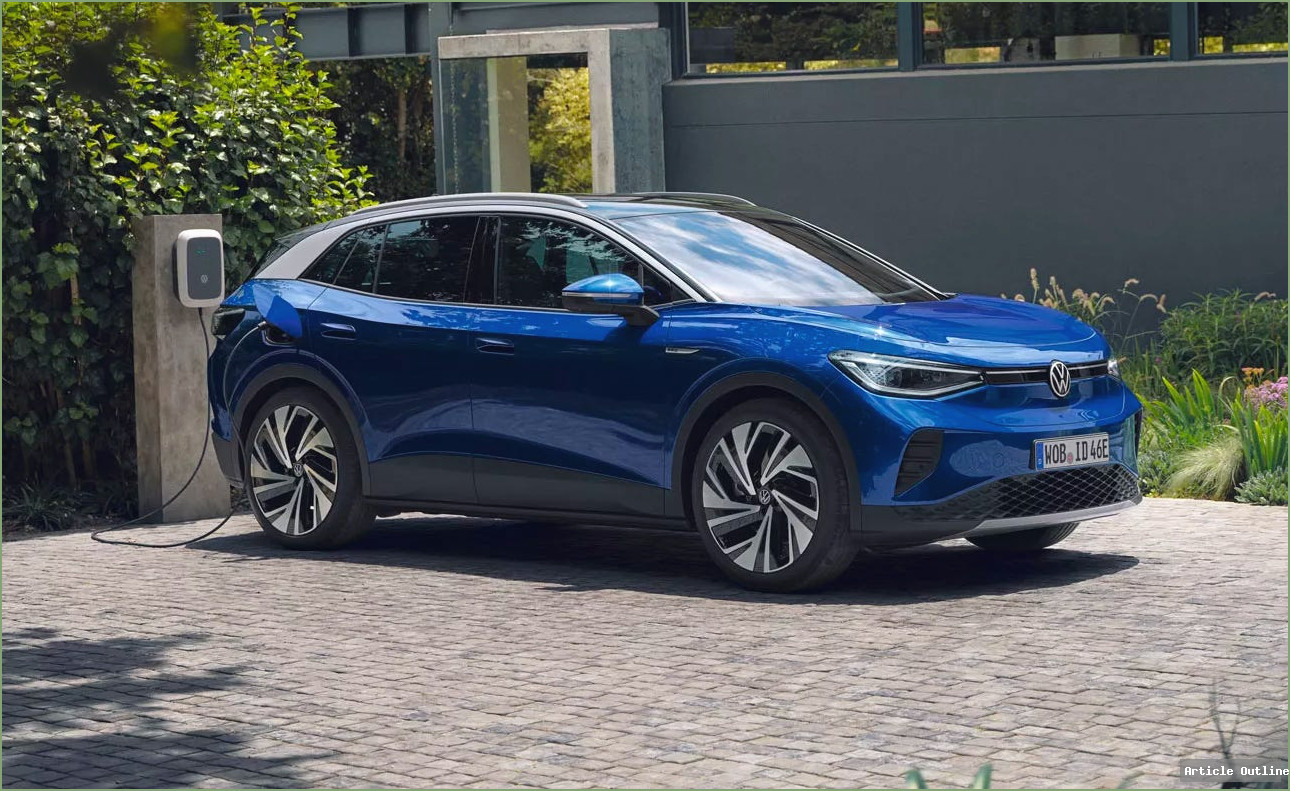
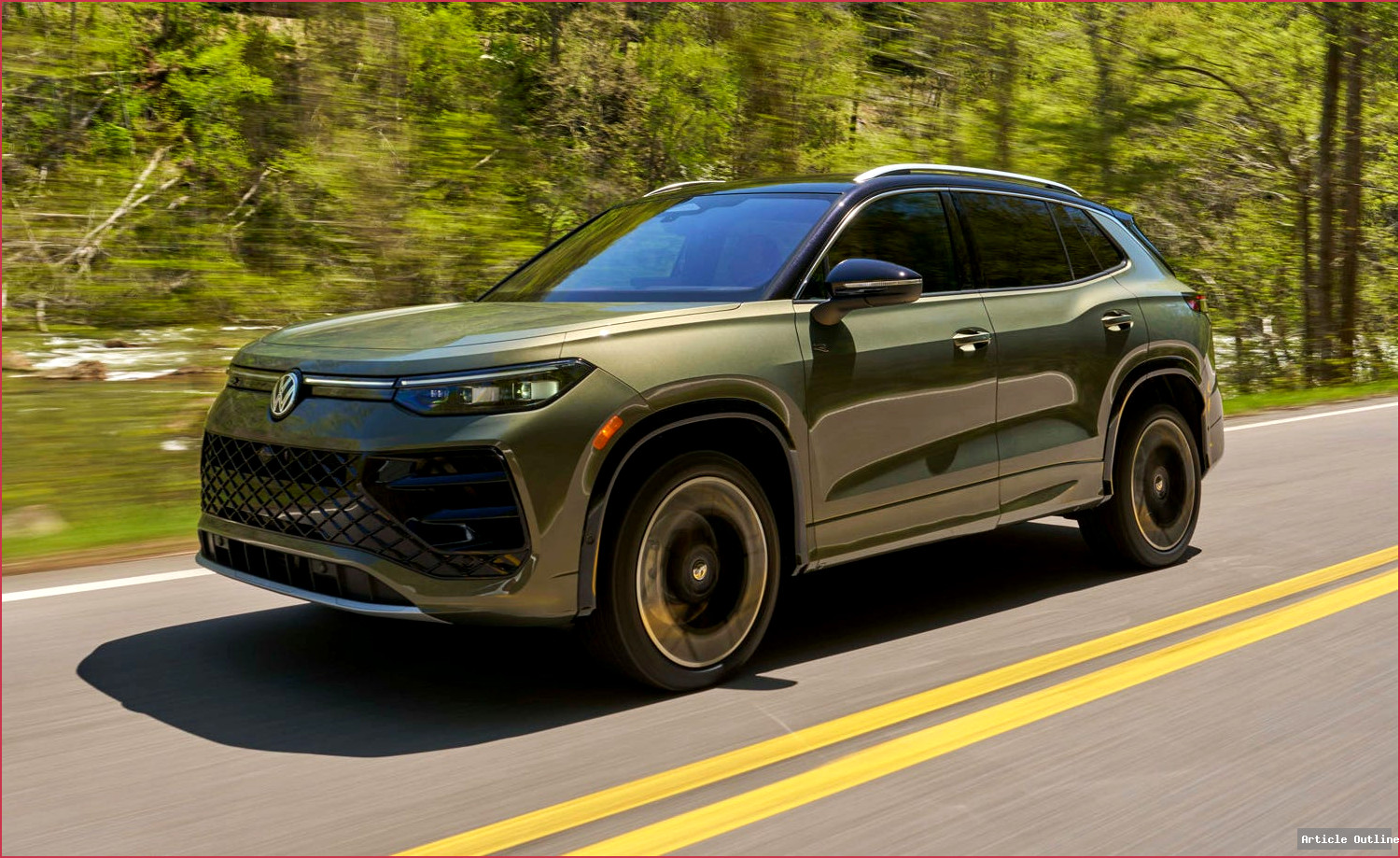
Volkswagen is making a bold move: its well-known ID.4 electric crossover is getting a new name—the ID. Tiguan. This isn’t just a cosmetic rebrand. It’s a strategic pivot that could have ripple effects across the electric vehicle (EV) market, and it says a lot about where legacy automakers are headed in the battle for consumer mindshare.
Why This Matters
- Brand recognition is gold in today’s car market. The Tiguan name is a global bestseller for Volkswagen, with over 7.5 million units sold worldwide since launch. Tying the electric ID.4 to this established name could turbocharge its appeal among mainstream buyers who might still see EVs as niche or experimental.
- The EV transition is in full swing, but many buyers remain hesitant due to unfamiliarity. By leveraging the trusted Tiguan brand, VW is making EVs feel less like a leap of faith and more like a logical next step.
- This move signals an industry trend: legacy automakers are blending electric and combustion brands, rather than keeping them separate. Expect more of this hybrid branding across the industry as EVs go mainstream.
What Most People Miss
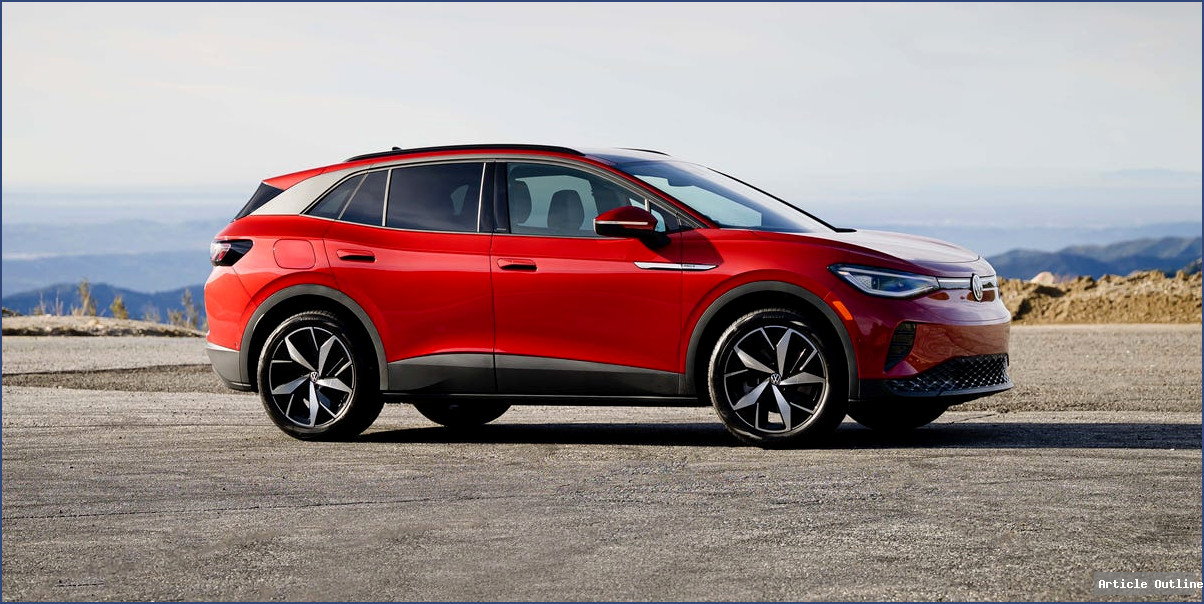
- It’s not just a badge swap: Spy shots show the facelifted ID.4 (soon to be ID. Tiguan) now closely mirrors the combustion Tiguan’s styling. That’s a deliberate move to blur the lines between VW’s gas and electric lineups—and reduce the intimidation factor for buyers new to EVs.
- Labor unions are in the loop: The plan was confirmed not by VW PR, but by Germany’s powerful IG Metall union. This hints at deeper organizational buy-in and perhaps broader changes to VW’s production and model strategy.
- The ID. Tiguan is here to stay: Production is planned to run through 2031, giving this model a long runway and signaling VW’s commitment to the platform.
Key Takeaways
- Volkswagen is betting big on name equity—and it’s a strategy worth watching. The Tiguan badge carries trust, familiarity, and global appeal.
- The EV market is maturing: Automakers are realizing they can’t rely on futuristic names alone to attract buyers; they need to make EVs feel familiar.
- This isn’t just a VW story. Other automakers (Ford with the Mustang Mach-E, Hyundai with the Ioniq line) are also blending legacy and electric branding to ease the transition for consumers.
Timeline: How We Got Here
- 2020: Volkswagen launches the ID.4 as its global electric crossover.
- 2023: The combustion Tiguan gets a major redesign, with stronger styling cues.
- 2024: Spy photos reveal the facelifted ID.4 taking on Tiguan-like looks; labor union confirms the ID. Tiguan rebrand will coincide with the update.
- Late 2024: The ID. Tiguan launches in Europe, with US sales soon after. Production is set to run through at least 2031.
Pros and Cons of Volkswagen’s Name Change Strategy
- Pros:
- Boosts familiarity for would-be EV buyers
- Unifies styling and brand across combustion and electric lines
- Makes the EV offering part of the mainstream
- Cons:
- Could cause confusion if buyers expect identical driving experiences between gas and electric Tiguans
- May dilute the distinctiveness of VW’s ID sub-brand
The Bottom Line
The transition from ID.4 to ID. Tiguan isn’t just about a new nameplate. It’s a calculated move to bridge the gap between old and new, gas and electric, tradition and innovation. Watch this space—if VW’s gamble pays off, expect even more automakers to follow suit, making the EV revolution feel a whole lot more familiar.
Sources: