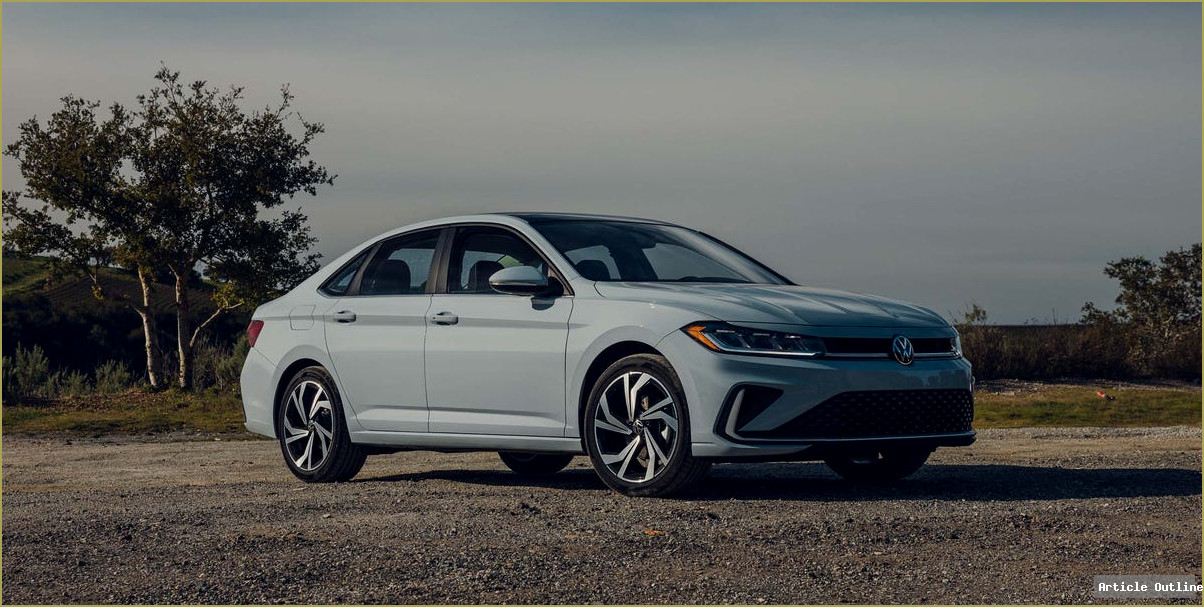
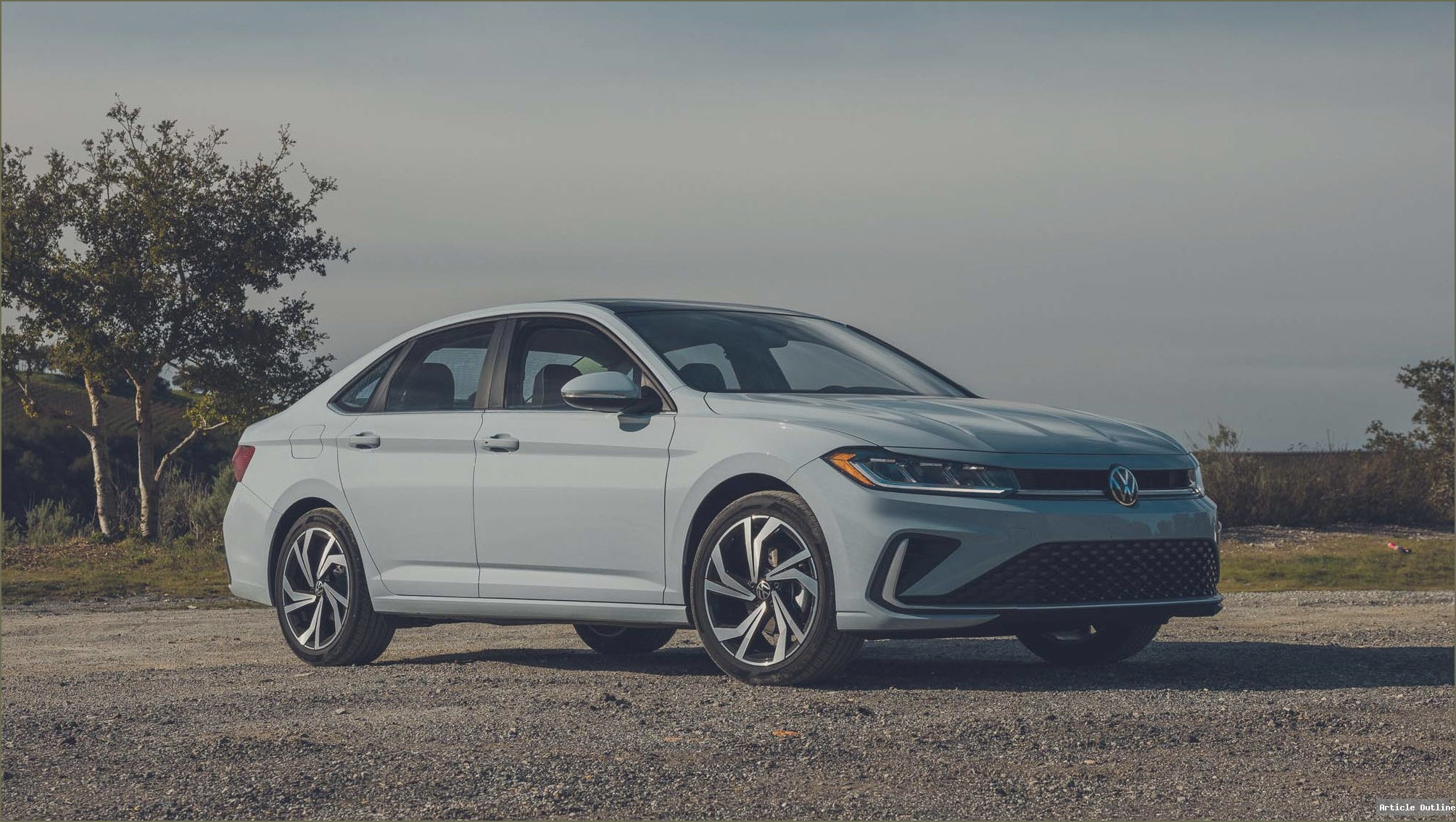
The Volkswagen Group is reportedly preparing to wield the axe on up to half of its global vehicle lineup—a move that would shake the very foundations of the automotive world. According to a leak from a German newspaper, iconic models like the VW Jetta, Taos, and even the electric Porsche Taycan could be headed for extinction as the company seeks to boost profitability and streamline operations.
But what does it really mean for drivers, enthusiasts, and the wider auto industry? Let’s dive in.
Why This Matters
- Industry bellwether: VW Group is the world’s second-largest automaker. Its strategic pivots often signal shifts the rest of the industry will soon follow.
- Electrification crossroads: The endangerment of the Porsche Taycan—a flagship EV—raises questions about the pace and profitability of electric vehicle adoption, even among luxury brands.
- Consumer choice shrinking: Halving model offerings could make car shopping simpler, but it also means less variety for buyers and potentially higher prices due to reduced competition within the brand.
What Most People Miss
- It’s not just about killing slow sellers. VW Group’s plan also involves drastically reducing trim levels and equipment options—by up to 75%. That’s a major shift from the ‘something for everyone’ approach.
- It’s a symptom of deeper financial and technological pressures. VW is fighting costly software delays, regulatory headaches, and the massive investments required for EVs and autonomy. Trimming the lineup is a defensive move to protect margins.
- Some icons are at risk, not just niche models. The Jetta, a mainstay in North America for decades, and the Porsche Taycan, once a symbol of the brand’s electric ambitions, both face the chopping block. This isn’t just housekeeping—it’s a rethink of brand identity.
Key Takeaways
- VW Group is likely to axe up to 10 models across its brands, including the Jetta, Taos, Audi Q5 Sportback, Q6 e-tron Sportback, and several Porsches.
- Trims and options will be slashed, meaning less customization for buyers.
- Nothing is officially confirmed yet—but these leaks tend to have a way of foreshadowing reality.
Industry Context & Comparisons
- Not the first, won’t be the last: Ford and GM have already cut sedans and reduced complexity. VW’s move follows a larger trend of automakers simplifying lineups to cut costs and boost margins.
- Global economic pressures: With automakers facing volatile supply chains, stricter emissions regulations, and pricey tech transitions, ‘less is more’ is the new mantra.
- Electrification paradox: Killing a halo EV model like the Taycan suggests even big names are struggling to make electric cars profitable at scale—especially in luxury segments.
Timeline: The Road to the Chop
- 2021–2023: VW Group struggles with software delays and mounting EV R&D costs.
- Early 2024: Announcement of plan to halve model lineup over coming years.
- Mid-2024: Leaked ‘hit list’ surfaces in German press—Jetta, Taycan, and others reportedly targeted.
- 2024–2026: Expect gradual discontinuations and fewer options per surviving model.
Pros & Cons for Buyers
- Pros:
- Simpler choices, potentially faster delivery
- Automakers can focus on improving fewer models
- Cons:
- Less variety and fewer unique trims
- Potential for higher prices due to less internal competition
The Bottom Line
VW Group’s rumored culling is a wake-up call for auto fans: The days of endless options and quirky model variants are ending. Instead, expect a leaner, more pragmatic lineup driven by the cold math of modern carmaking. If you’ve had your eye on a Jetta or Taycan, now might be the time to act—because soon, these could be collector’s items.