Volkswagen’s iconic Golf hatchback might soon make a comeback in the U.S.—but not because Americans suddenly demanded it. The real driver? Trade policy and shifting global production lines. Here’s why the possible return of the base Golf says more about economics than automotive tastes.
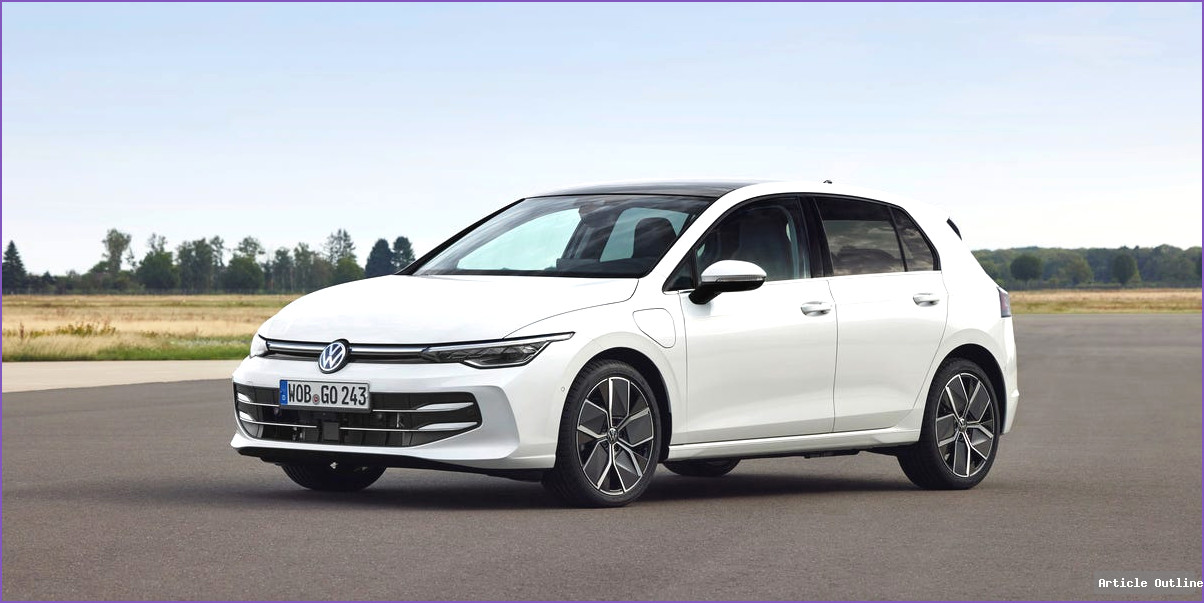
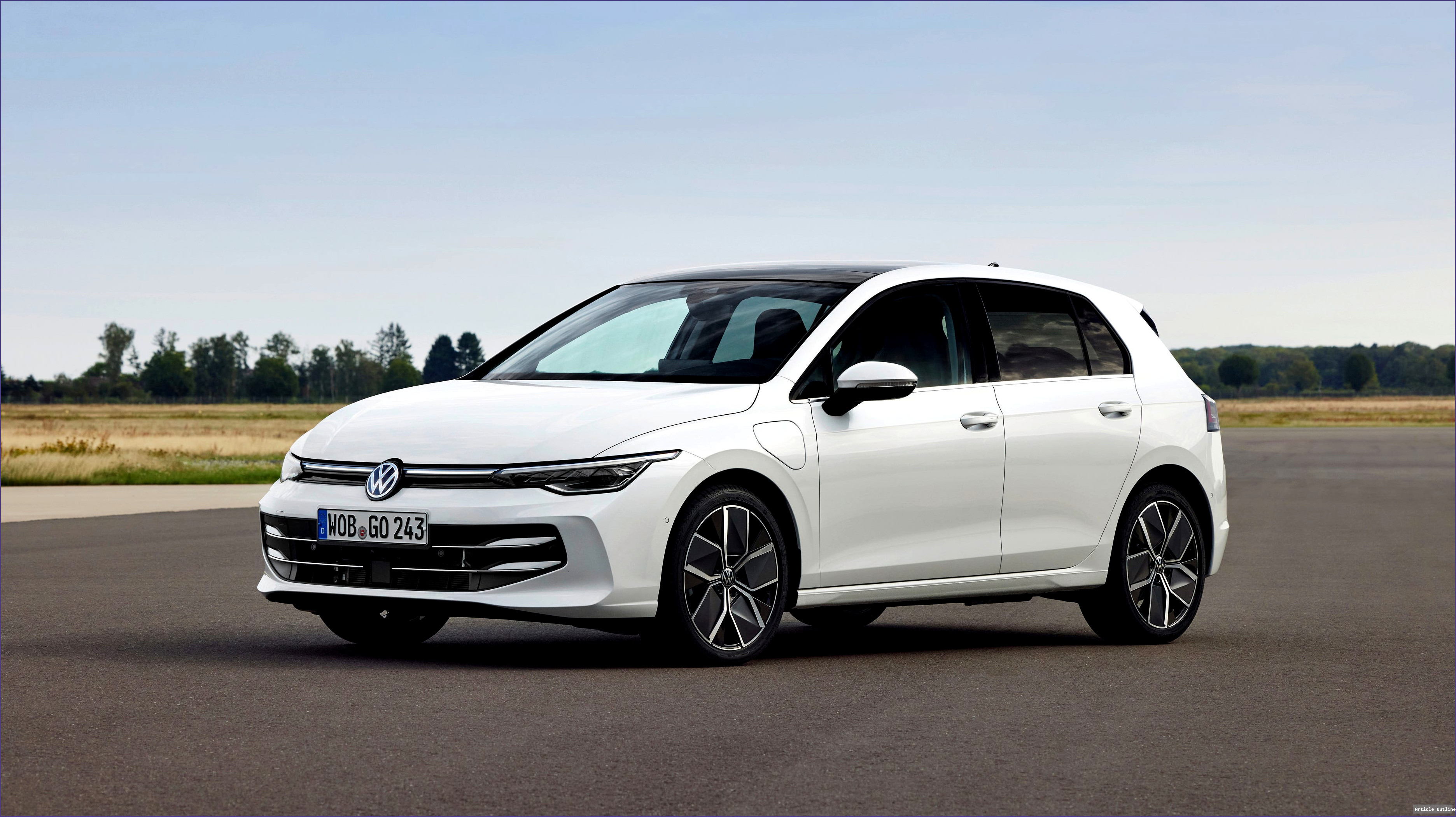
For years, U.S. buyers craving a VW Golf without the “GTI” or “R” badge were out of luck. But Volkswagen’s decision to move all Golf production from Wolfsburg, Germany, to Puebla, Mexico by 2027 is shaking things up. The move, prompted by labor agreements and cost efficiencies, could open the door for the entry-level Golf’s return—if trade tariffs play along.
Why This Matters
- Tariffs drive car pricing more than you think. VW’s CEO Kjell Gruner points out that a 25% tariff on Mexican-made cars makes importing affordable Golfs a non-starter. Lowering this to 15%—the rate for South Korea, Japan, and the EU—could suddenly make the base Golf competitive in U.S. showrooms again.
- It’s about affordable choice. VW’s U.S. lineup is top-heavy with pricier, high-performance models. A base Golf could slot in under $30,000, joining the Jetta and Taos as budget-friendly options—a segment many automakers are quietly abandoning.
- Production isn’t just about geography—it’s about strategy. Building in Mexico reduces costs, shortens supply chains, and lets VW react faster to North American market preferences.
What Most People Miss
- The Golf’s absence exposes a bigger gap in the U.S. market: Compact, practical hatchbacks have been all but squeezed out by the SUV craze and rising production costs. Yet, segments like the Toyota Corolla Hatchback and Honda Civic Hatchback still attract loyal buyers who want fun, efficient, and practical rides.
- Tariffs aren’t just a VW problem. They shape the entire automotive landscape, determining which models make it stateside and at what price. A shift in U.S. trade policy could ripple across the industry, opening (or closing) doors for affordable imports.
- This could signal a return of more than just the base Golf. If the economics work, niche variants like the Golf SportWagen or Alltrack—favorites among enthusiasts—could also reappear.
Key Takeaways
- VW’s move to Mexico is a game-changer for its U.S. lineup.
- Whether you see a new base Golf here depends more on politics than on VW’s willingness.
- If tariffs fall, expect a wave of affordable, practical cars to challenge the SUV status quo.
Industry Context & Comparisons
- Market Trends: While SUVs and crossovers dominate U.S. sales (over 60% of new car sales in 2023), demand for practical hatchbacks persists among city dwellers and driving enthusiasts.
- Competitors: The Toyota Corolla Hatchback and Honda Civic Hatchback remain popular, but few mainstream brands offer affordable, non-luxury hatchbacks below $30,000.
- Production Shifts: Automakers like Ford and GM have also moved production to Mexico to manage costs and tariffs, influencing which vehicles are available to U.S. consumers.
Timeline: How We Got Here
- 2021: VW stops selling the base Golf in the U.S.—only GTI and R variants remain.
- Dec 2024: Labor agreement paves way for Golf production’s move to Puebla, Mexico.
- 2027: All Golf production transitions from Germany to Mexico.
- Future: If tariffs fall, the base Golf—and maybe more variants—could hit U.S. showrooms.
The Bottom Line
This isn’t just a story about a hatchback. It’s a lesson in how global economics, trade policy, and consumer demand intersect—and sometimes clash—in shaping what’s parked in your driveway. For now, American fans of affordable, practical hatchbacks should keep their eyes on Washington as much as on Wolfsburg or Puebla.