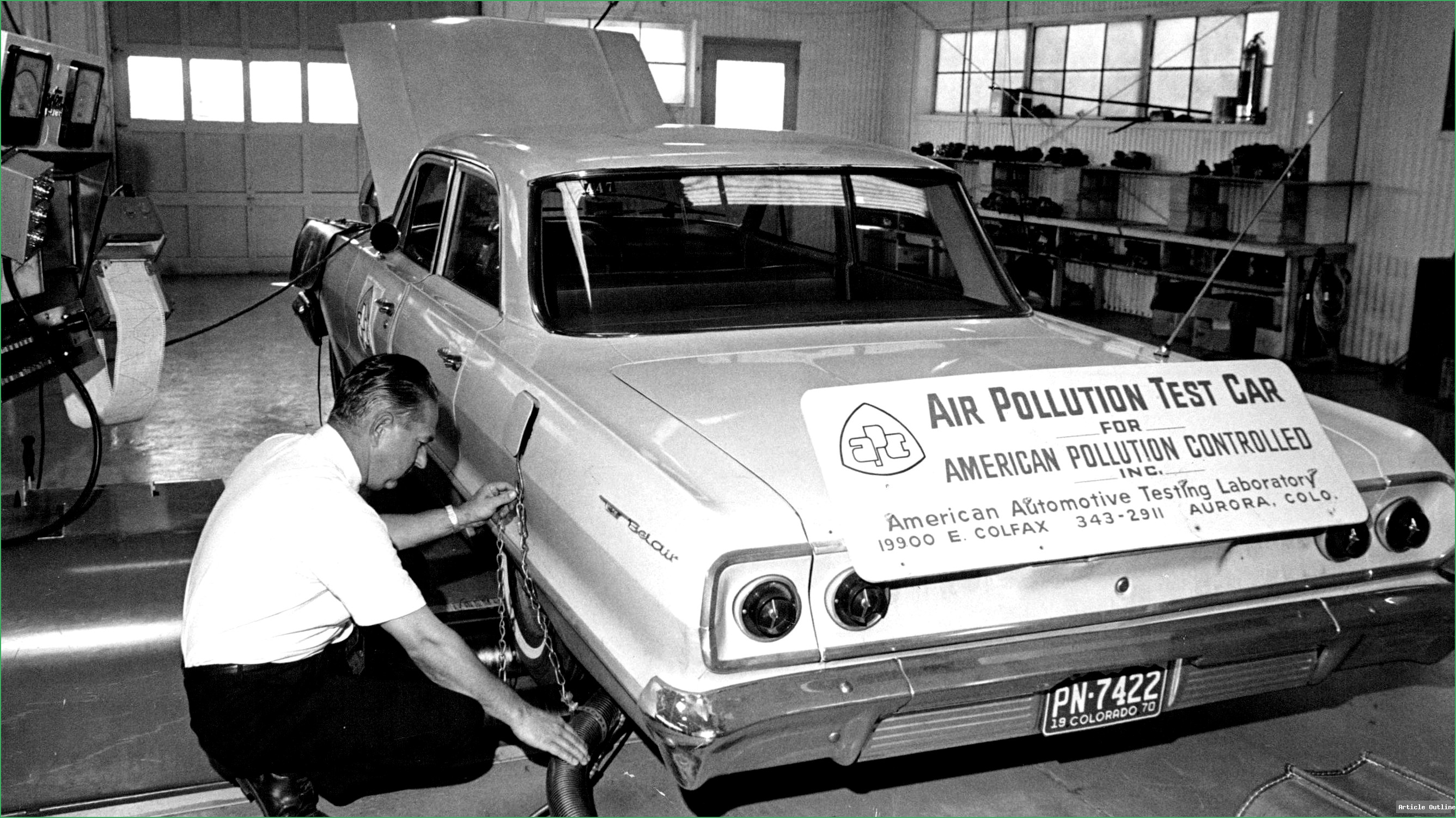
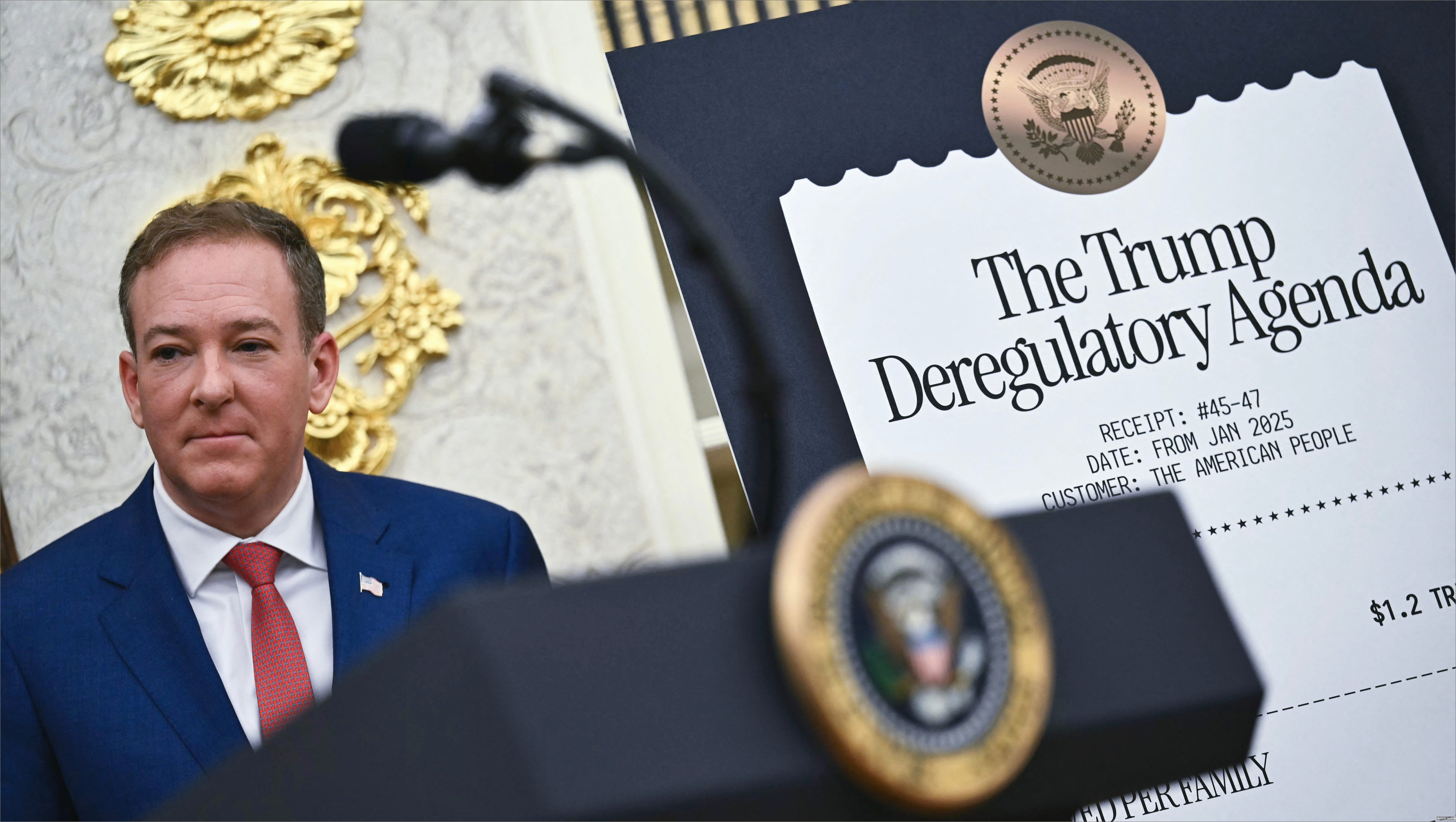
President Trump’s recent pardons of nine diesel mechanics and tuners convicted for violating the Clean Air Act aren’t just a headline—they’re a window into the tug-of-war between environmental regulation, automotive enthusiasm, and political priorities. While the move made waves in the auto and environmental communities, it also set a powerful precedent for how emissions enforcement may be handled going forward.
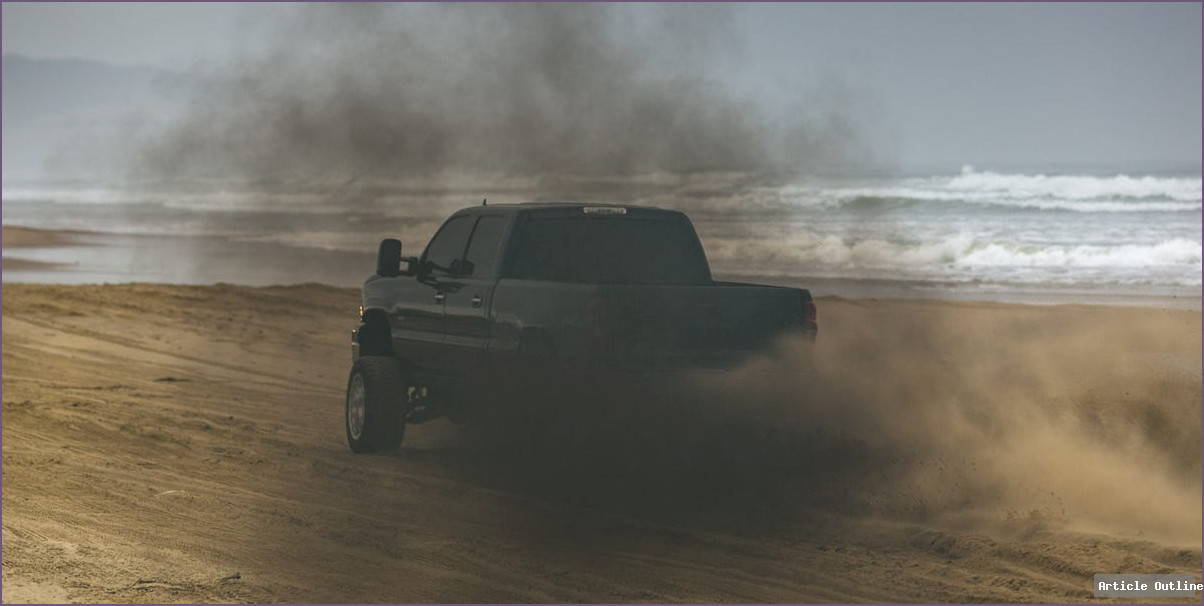
Why This Matters
- This signals a radical shift in the federal approach to emissions enforcement. With the Clean Air Act forming the backbone of U.S. air quality protections since 1963, presidential pardons for violators challenge the very teeth of these regulations.
- It highlights the ongoing tension between environmental responsibility and the automotive subculture. Diesel tuners argue that emissions equipment stifles performance and increases costs, while environmentalists point to the proven success of these rules in reducing smog and protecting public health.
- The move could embolden others in the industry to skirt regulations, especially with signals from current EPA leadership that enforcement will be softened.
What Most People Miss
- These pardons don’t just impact a handful of individuals—they send a message to the entire aftermarket industry. Companies developing and selling “defeat devices” (hardware or software that disables emissions equipment) may feel less risk of prosecution.
- The EPA’s stance has swung dramatically. Under the previous administration, the EPA aggressively targeted emissions tampering. Now, with talk of removing limp mode and even start-stop systems, enforcement priorities are shifting fast.
- There’s a hidden cost: When emissions rules go unenforced, the burden of poor air quality often falls on vulnerable populations—urban residents, children, and those with respiratory conditions.
Key Takeaways
- Regulatory whiplash: The auto industry is caught between administrations with vastly different priorities. Manufacturers must comply with federal law, but enforcement at the owner/operator level is now in flux.
- Performance vs. Pollution: While modern engineering has achieved both power and emissions compliance (think: hybrid supercars with 1200+ hp), the heavy-duty diesel sector still faces trade-offs between capability and compliance.
- Precedent set: Pardoning convicted violators effectively weakens the deterrent effect of environmental law. Will this dampen future EPA crackdowns, or will a future administration swing the pendulum back?
Industry Context & Comparisons
- Volkswagen’s Dieselgate: The global scandal cost VW over $30 billion and led to criminal convictions. The U.S. has historically taken a hard line on emissions tampering—these pardons buck that trend.
- Aftermarket Industry: The Specialty Equipment Market Association (SEMA) has lobbied for “reasonable” emissions rules, but this move takes things to another level—essentially, a get-out-of-jail-free card for past violators.
- Air Quality Data: Since the Clean Air Act, U.S. air pollution levels have dropped dramatically—even as vehicle miles have soared. Rolling back enforcement could reverse some of these gains, especially in regions already struggling with air quality.
Pros and Cons
- Pros:
- Reduces legal risk for small shops and tuners
- Potentially lower operating costs for truck owners
- Cultural win for “gearhead” communities
- Cons:
- Undermines environmental protections
- May worsen air quality over time
- Signals regulatory uncertainty to automakers
Action Steps and Practical Implications
- Automotive businesses should closely monitor EPA enforcement policies—what was illegal and risky yesterday may be less so today, but long-term regulatory trends can swing back.
- Consumers and advocacy groups need to stay engaged—environmental outcomes hinge on enforcement, not just laws on the books.
“As any long-term resident of Los Angeles might tell you, the emissions rules largely worked. Smog cleared over the City of Angels and elsewhere, and automotive companies soon adapted to the federal government’s emissions requirements.”
The Bottom Line
Trump’s pardons for diesel tuners are more than a political gesture—they’re a bellwether for how the U.S. might balance environmental protection and automotive freedom in the coming years. Whether you’re a tuner, a truck owner, or just breathing the air, the repercussions are real—and they’re just getting started.
Sources: