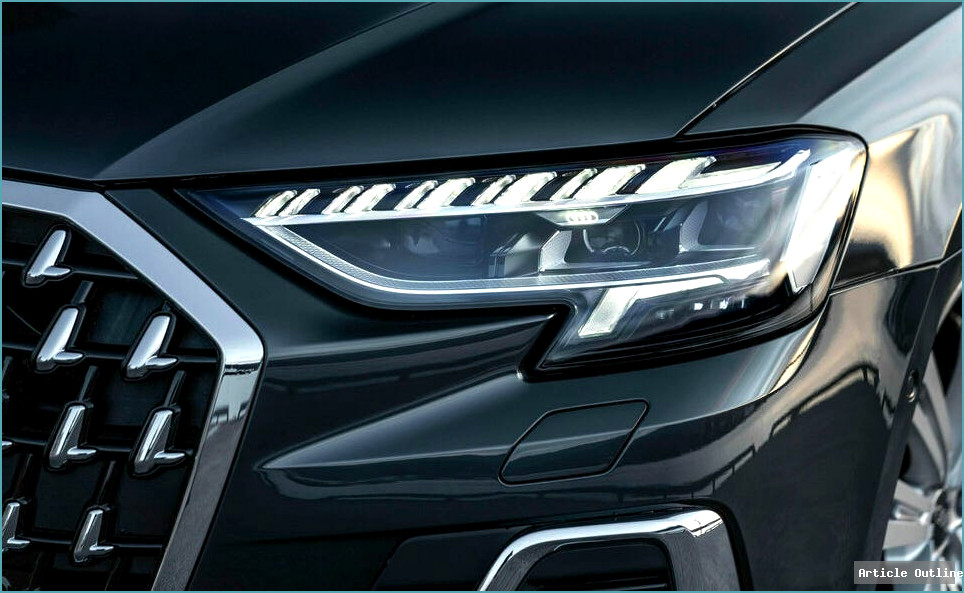
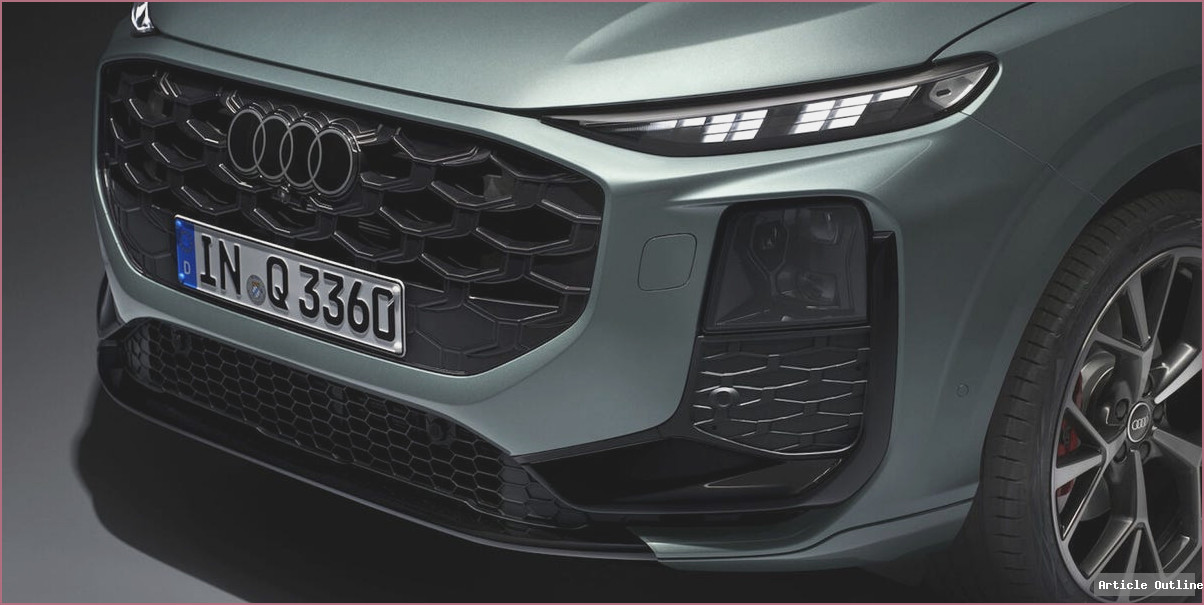
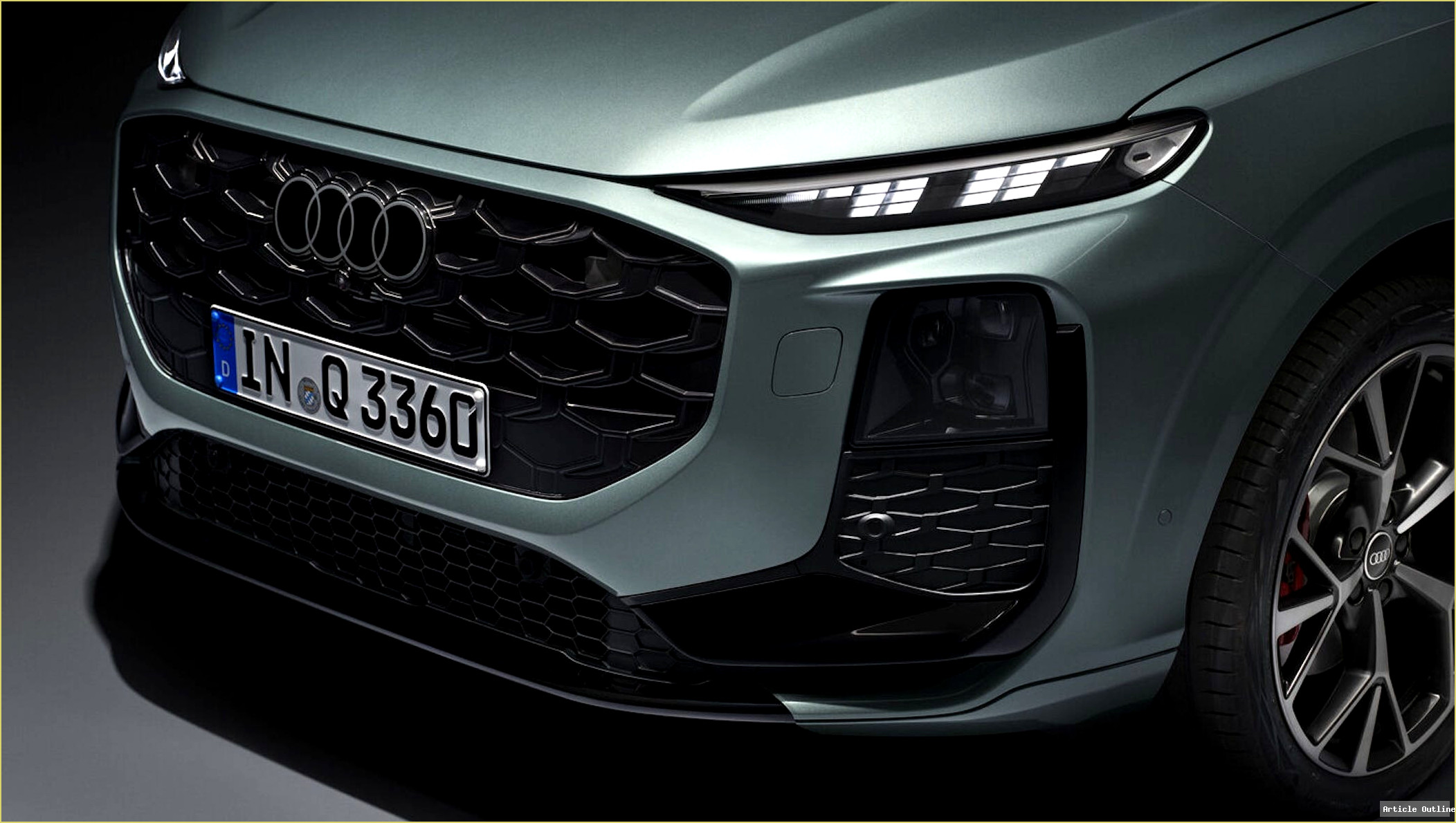
If you’ve ever been blinded by dazzling LED headlights on a dark street, you’re not alone. But Audi’s cutting-edge Digital Matrix adaptive-beam technology—long available in Europe—is finally landing stateside in the 2027 Audi Q9. This isn’t just another luxury SUV feature; it’s a fundamental shift in how we think about nighttime driving safety.
Why This Matters
- Nighttime glare from overly bright headlights is a real safety issue. According to the National Highway Traffic Safety Administration (NHTSA), nearly half of traffic fatalities occur at night, even though there’s far less traffic.
- Blinding headlights aren’t just annoying—they’re dangerous, causing momentary vision loss and increased accident risk.
- Until now, U.S. regulations kept adaptive-beam systems like Audi’s out of reach for American drivers, putting us a decade behind Europe on this tech.
What Most People Miss
- The tech isn’t just about convenience or luxury. It’s about democratizing safety. Even those not driving an Audi Q9 benefit when other cars on the road can dynamically reduce glare.
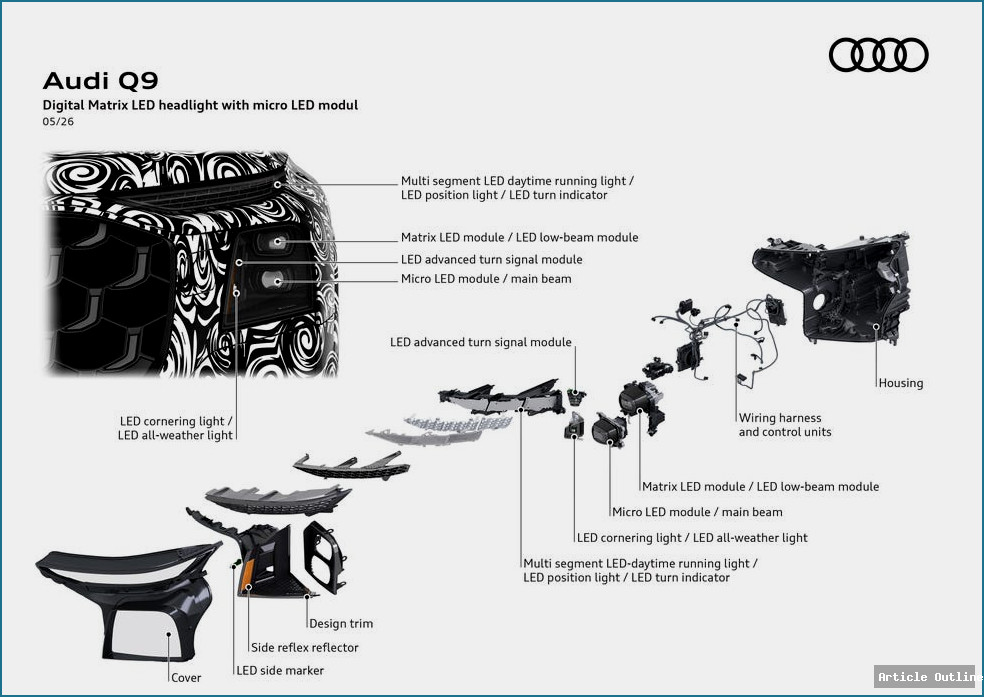
- Unlike simple auto-dimming high beams, Audi’s system uses 25,600 micro-LEDs per headlight, each individually controlled, to create precisely shaped beams that “paint” light only where it’s needed.
- The system adapts in real time, using cameras to detect vehicles and adjust the light pattern as cars move, bend, or approach—no more sudden “lights out” moments common with basic auto-dip systems.
Key Takeaways
- Audi’s Digital Matrix headlights represent a leap in automotive lighting, offering on-demand, adaptive illumination that enhances safety for everyone on the road.
- The U.S. Department of Transportation’s 2022 rule change finally opened the door for this proven European tech—expect other automakers to follow quickly.
- This isn’t just for luxury buyers. As with most tech, expect adaptive-beam headlights to filter down to mainstream cars over the next decade, just as stability control and backup cameras once did.
Comparison: Audi’s Digital Matrix vs. Traditional “Auto High-Beam” Systems
- Traditional Auto High-Beam: Swaps between high and low beams when sensors spot oncoming cars—often results in delayed response and abrupt lighting changes.
- Audi Digital Matrix: Maintains maximum road illumination, selectively “shading” only areas where other drivers might be dazzled—maximizing visibility without compromise.
Timeline of Events
- 2013: Audi debuts Digital Matrix headlights in Europe.
- 2022: U.S. DOT updates rules, allowing adaptive-beam systems.
- 2027: Audi Q9 becomes America’s first model with this technology.
Pros and Cons
- Pros:
- Improved safety and reduced glare for all road users
- Adaptive, customizable beam shapes for any scenario
- Potential to add features like projected warnings or markings on the road in the future
- Cons:
- Initial availability limited to high-end models
- Potentially higher repair costs if damaged
The Bottom Line
Audi’s Digital Matrix headlights are more than a flashy feature—they’re a public safety upgrade that’s been a long time coming to the U.S. This technology will change how we drive at night, making roads safer, reducing driver fatigue, and setting a new standard for what we expect from our vehicles. Watch this space: the headlight revolution is just beginning.
Sources: