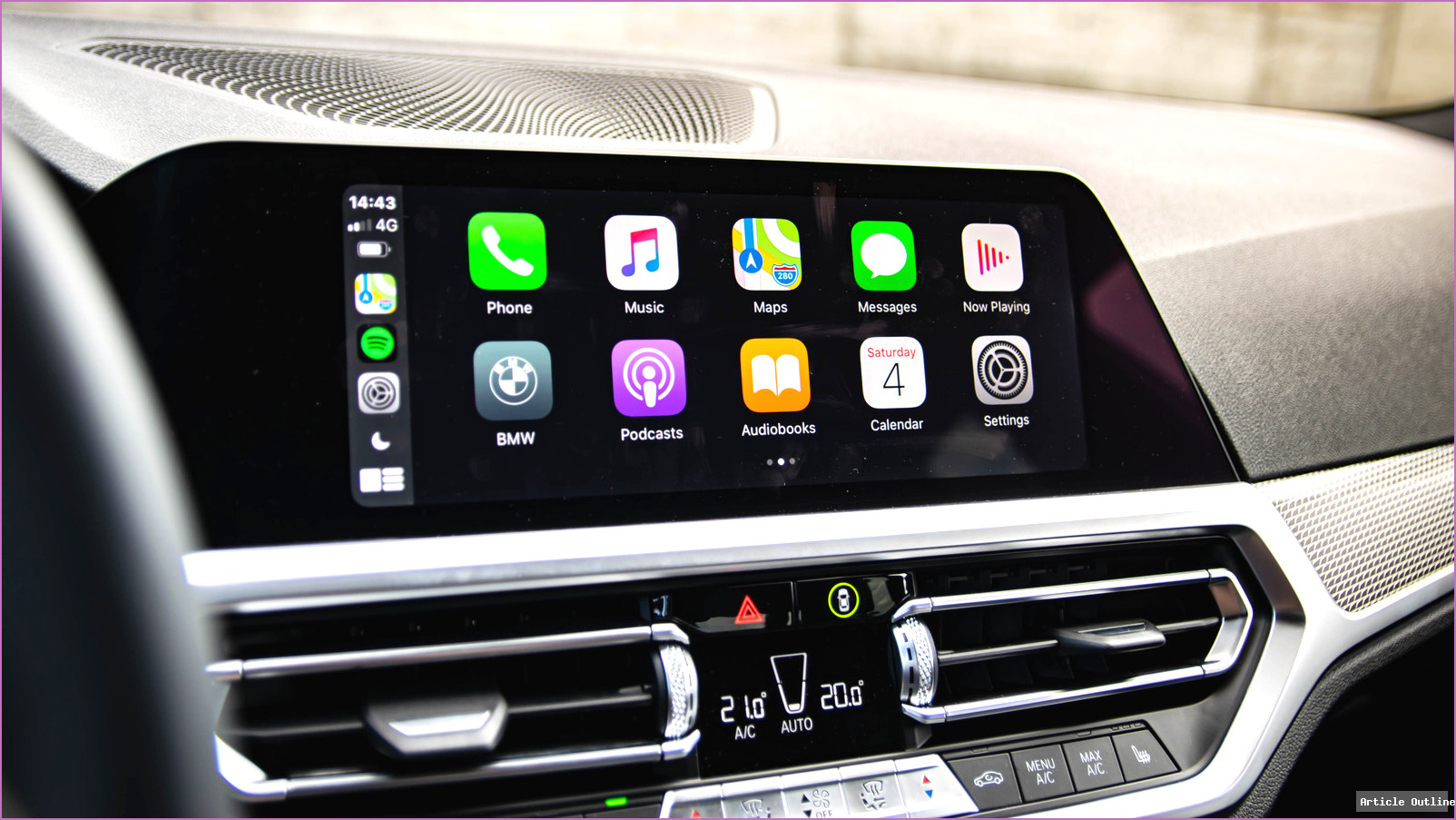
For years, Apple CarPlay and Android Auto have been drivers’ secret weapons against clunky, inconsistent car infotainment systems. But a seismic shift is coming: major automakers, most notably General Motors (GM), are phasing out support for these beloved platforms in upcoming models. The question on everyone’s mind: Why ditch what works?
Let’s go beyond the headlines and decode what’s really happening—with a dose of analysis, some industry context, and a few surprising truths most people miss.
Why This Matters
- Data Is the New Gasoline: By dropping CarPlay and Android Auto, automakers regain control over valuable driver data—think routes, charging habits, even entertainment preferences. This info is a goldmine for future service offerings (and, yes, for monetization).
- The Battle for the Dashboard: For years, carmakers watched Apple and Google dominate the in-car experience. Now, with EVs demanding tighter tech integration, manufacturers want the dashboard back under their own roof.
- Customer Loyalty at Stake: Surveys say up to 79% of buyers won’t consider a car lacking CarPlay. Yet, GM and others are betting they can woo drivers with shiny, more deeply integrated native systems—if those systems deliver.
What Most People Miss
- Native EV Features Are the True Driver: With electric vehicles, features like battery preconditioning and advanced charging controls are mission-critical—and often poorly supported by CarPlay/Android Auto. Automakers want to offer seamless, vehicle-specific controls that mirror apps simply can’t provide.
- Android Automotive vs. Android Auto: Not the Same! GM’s new platform is built on Android Automotive, a fully integrated car OS—not the phone-mirroring Android Auto. This gives GM tighter software-car synergy and more control (but also more responsibility for updates and user experience).
- Subscription Creep Is Coming: As manufacturers control the whole infotainment stack, they can (and will) gate features behind subscriptions—think navigation, remote start, or advanced diagnostics. Prepare your wallet.
Key Takeaways
- Integration Trumps Familiarity: Automakers prioritize deep integration with car systems over the comfort of Apple/Google interfaces.
- Data Control Equals Revenue: Owning the platform means owning the data—and the opportunity to upsell connected services.
- CarPlay Ultra Isn’t a Silver Bullet: Apple’s next-gen CarPlay Ultra offers deeper integration, but still relies on the iPhone and requires automakers to share valuable data with Apple—a tradeoff many are unwilling to make.
- Consumer Backlash Is Real: Surveys show more than half of drivers consider the loss of CarPlay a deal breaker. The risk for automakers? Alienating loyal customers if their homegrown systems aren’t up to par.
Industry Context & Timeline
- 2014: CarPlay launches, soon followed by Android Auto.
- 2016-2022: Adoption soars; over 800 models support CarPlay.
- 2023: GM announces phase-out of CarPlay/Android Auto in EVs, starting with the Chevrolet Blazer EV.
- 2024+: Other manufacturers watch and wait. CarPlay Ultra launches, but only Aston Martin adopts (so far).
- 2028 (expected): GM to expand phase-out to gas-powered vehicles with its own OS.
Pros & Cons: Native Infotainment vs. CarPlay/Android Auto
- Native Infotainment Pros:
- Deep integration with car-specific features (especially in EVs)
- Potentially richer, more responsive interfaces
- Automaker control over data, updates, and monetization
- Native Infotainment Cons:
- Risk of buggy, inconsistent software (history is not on their side!)
- Potential fragmentation—no single, familiar interface across brands
- Subscription fatigue as features move behind paywalls
The Bottom Line
The next great battle for the connected car is here. Automakers are wagering that their native systems can outshine the convenience and consistency of CarPlay/Android Auto—while keeping the data (and dollars) in-house. But with drivers deeply invested in the Apple/Google ecosystem, the road ahead is anything but smooth.
Will consumers accept this tradeoff? Or will backlash force a strategic U-turn? One thing is certain: the infotainment wars are just getting started.