Ford and GM, two titans of the American auto industry, are pressing the brakes on their ambitious electric vehicle (EV) dreams and accelerating into a new lane: large-scale battery energy storage. At first glance, this shift might look like simple corporate maneuvering, but the reality reveals deeper industry currents and a fascinating intersection of technology, policy, and Wall Street appetite.
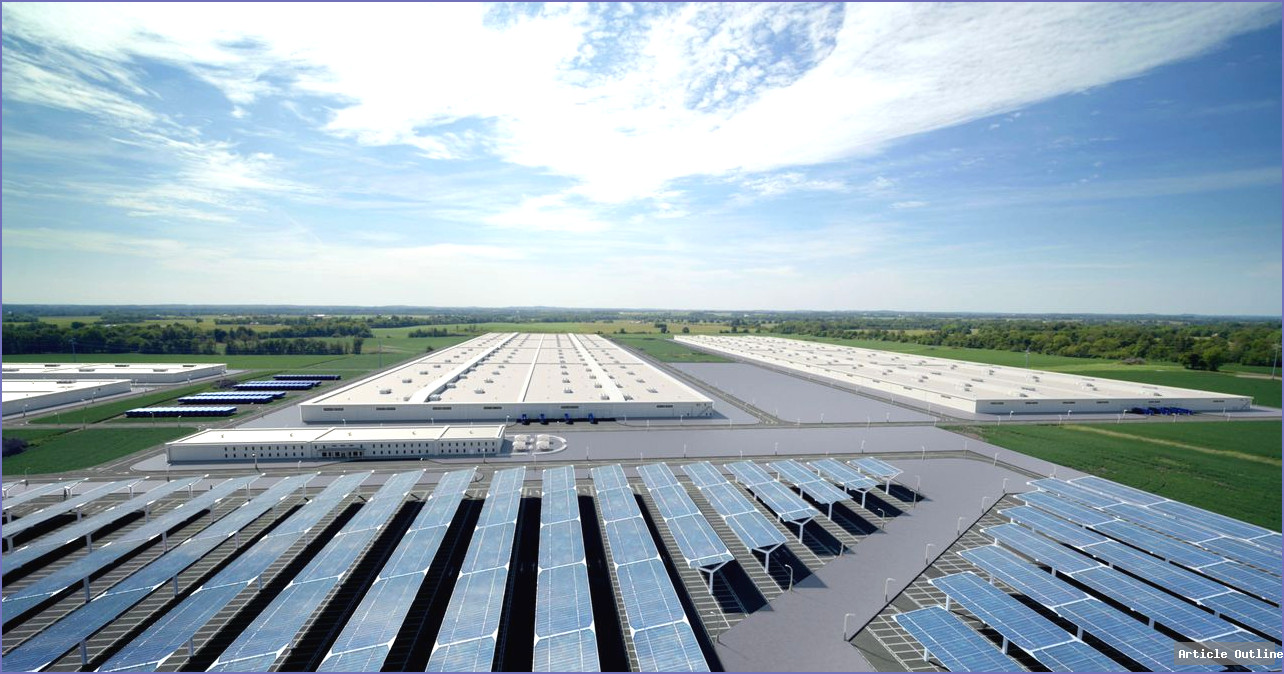
Ford’s creation of the Ford Energy subsidiary and GM’s collaborations with battery recycling and energy storage players mark a dramatic rethinking of what it means to be an automaker in 2026. Instead of betting the farm on EVs—a market segment battered by political headwinds, thin margins, and shifting consumer demand—the Detroit giants are seeking new profit in the rapidly growing world of grid-scale battery storage.
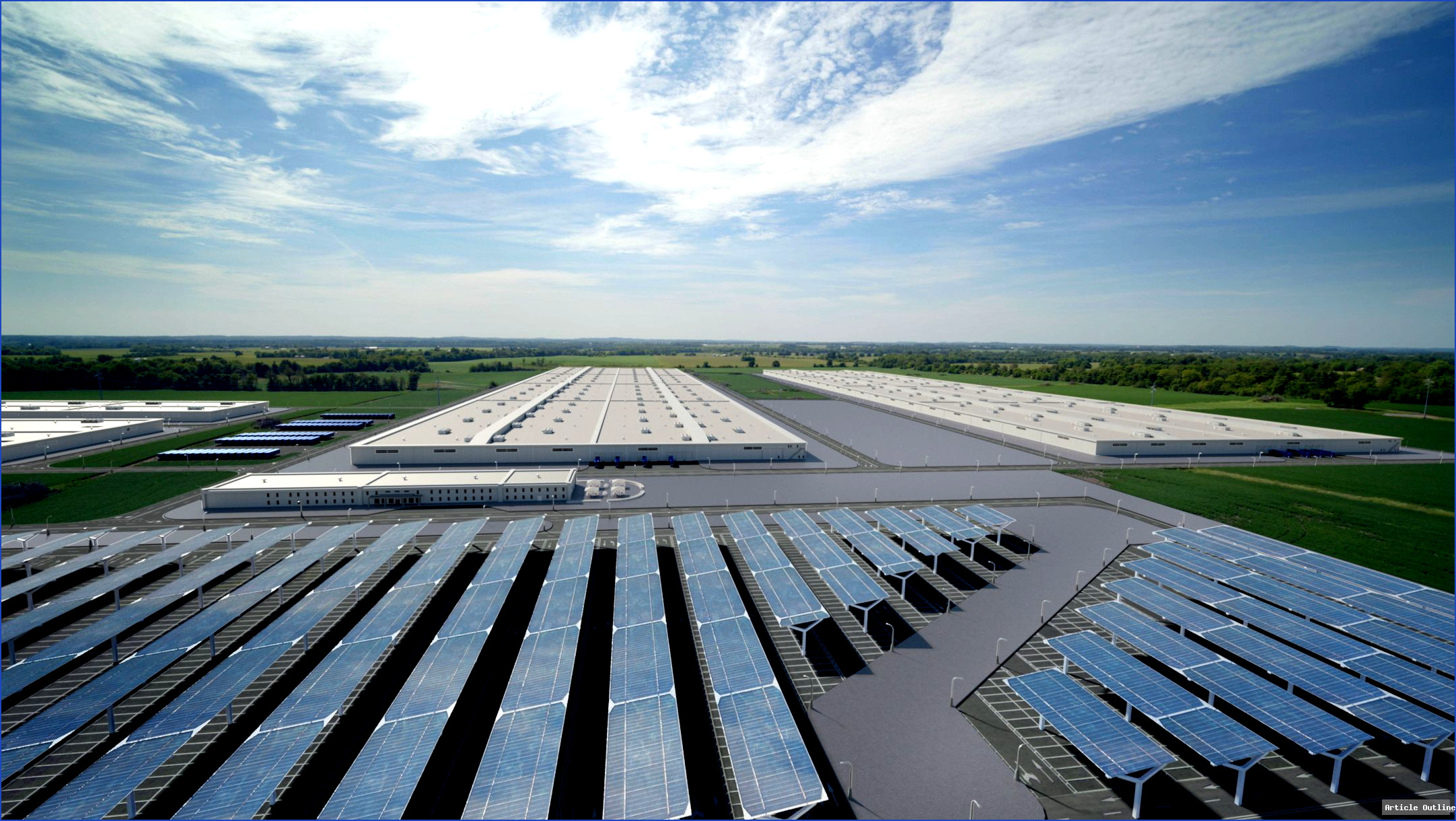
Why This Matters
- Automakers are leveraging their battery expertise to serve a surging energy storage market, a sector turbocharged by the explosive growth of AI and its insatiable data center energy demands.
- Federal incentives and policy shifts have made battery storage more attractive than EVs—especially after recent GOP-led legislation cut support for electric vehicle sales but left commercial battery storage tax credits intact.
- The move could reshape the US energy infrastructure, as batteries become a crucial tool for stabilizing power grids strained by renewable energy and digital infrastructure.
What Most People Miss
- This isn’t just about EV fatigue. The pivot to battery storage is also about diversifying revenue streams and escaping the cutthroat, low-margin nature of auto manufacturing.
- Automakers can capitalize on existing battery manufacturing capacity that would otherwise be underutilized due to slower EV adoption.
- Tesla, often seen as the pioneer in EVs, has quietly built a sizable energy storage business (Powerwall and Megapack), setting a precedent others are now racing to follow.
Key Takeaways
- Ford’s stock price jumped 13% on news of its energy storage pivot—Wall Street clearly sees the upside.
- At least 11 US battery plants are being retooled for energy storage, with 8 located in the US, according to BloombergNEF. This is a large-scale industrial shift, not a speculative side project.
- The battery storage market is increasingly driven by the needs of AI-powered data centers, which require reliable, flexible power solutions for both operations and cooling.
Industry Context & Comparisons
- Policy Influence: Battery storage projects benefit from federal tax incentives, while EV sales support is waning—this is a direct result of political winds changing in Washington.
- Profitability: Ford CEO Jim Farley labeled battery storage as a “high-margin opportunity”—a rare bright spot compared to the thin profits typical of auto sales.
- Global Partnerships: Ford’s ongoing partnership with Chinese battery giant CATL and GM’s work with Redwood Materials/LG Energy Solution show how automakers are leveraging global supply chains and expertise.
- Not Just Ford & GM: Stellantis and Samsung SDI are also in the game, though Stellantis is reportedly reconsidering its investment due to mounting EV losses.
Timeline of Key Moves
- 2024: Stellantis and Samsung SDI launch battery production in Indiana; some capacity pivots to energy storage.
- 2025: GM and Redwood Materials announce US-built batteries for energy storage; Ford takes a massive $19.5 billion writedown on EV ambitions.
- 2026: Ford spins off Ford Energy; GM and LG repurpose Tennessee plant; Tesla plans new Houston Megapack facility.
- 2027 (planned): Ford Energy to make first commercial deliveries of battery storage systems.
Pros and Cons Analysis
- Pros:
- Higher margins in energy storage vs. car sales
- Leverages existing battery know-how and plants
- Positioning for growth as AI/data center demand explodes
- Federal incentives for battery storage
- Cons:
- Potential overreliance on volatile tech sector (AI/data centers)
- Risk of political winds shifting again and incentives disappearing
- May signal retreat from global EV leadership
- Not a guaranteed moneymaker—Tesla’s recent energy revenue dip is a warning sign
Expert Commentary
“If the huge market of data centers keeps growing every year, it does make sense for automakers to pivot.” — Shan Tomouk, Benchmark Mineral Intelligence
“If automakers aren’t making money from storage and not making money from EVs, they would prefer not to make money from storage because they’re not competing with their own gas car production. It makes perfect sense, unfortunately.” — Gil Tal, UC Davis EV Research Center
The Bottom Line
The pivot from EVs to battery energy storage isn’t just a corporate detour—it’s a sign of how fast the ground is shifting beneath the US auto industry. As AI and data centers reshape the grid, and as policy and market realities undercut the EV hype, automakers are showing their true colors: agile, opportunistic, and always hunting for the next big profit engine. Whether this energy play pays off in the long run remains to be seen, but one thing is clear: The future of “making cars” in America looks more like making the batteries that keep our digital lives rolling.