Mitsubishi is plotting a big return to the US midsize truck segment—this time with Nissan’s muscle behind it. This isn’t just another badge-engineering move. It’s a strategic realignment that could have ripple effects across the American pickup landscape, especially as foreign automakers vie for a bigger slice of the lucrative truck pie.
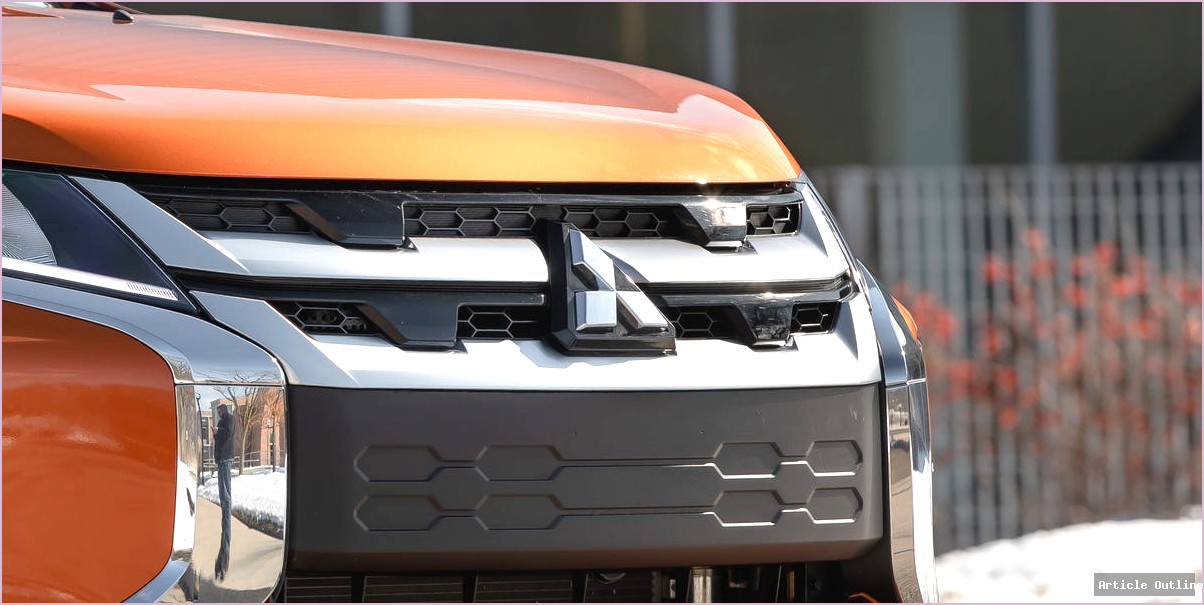
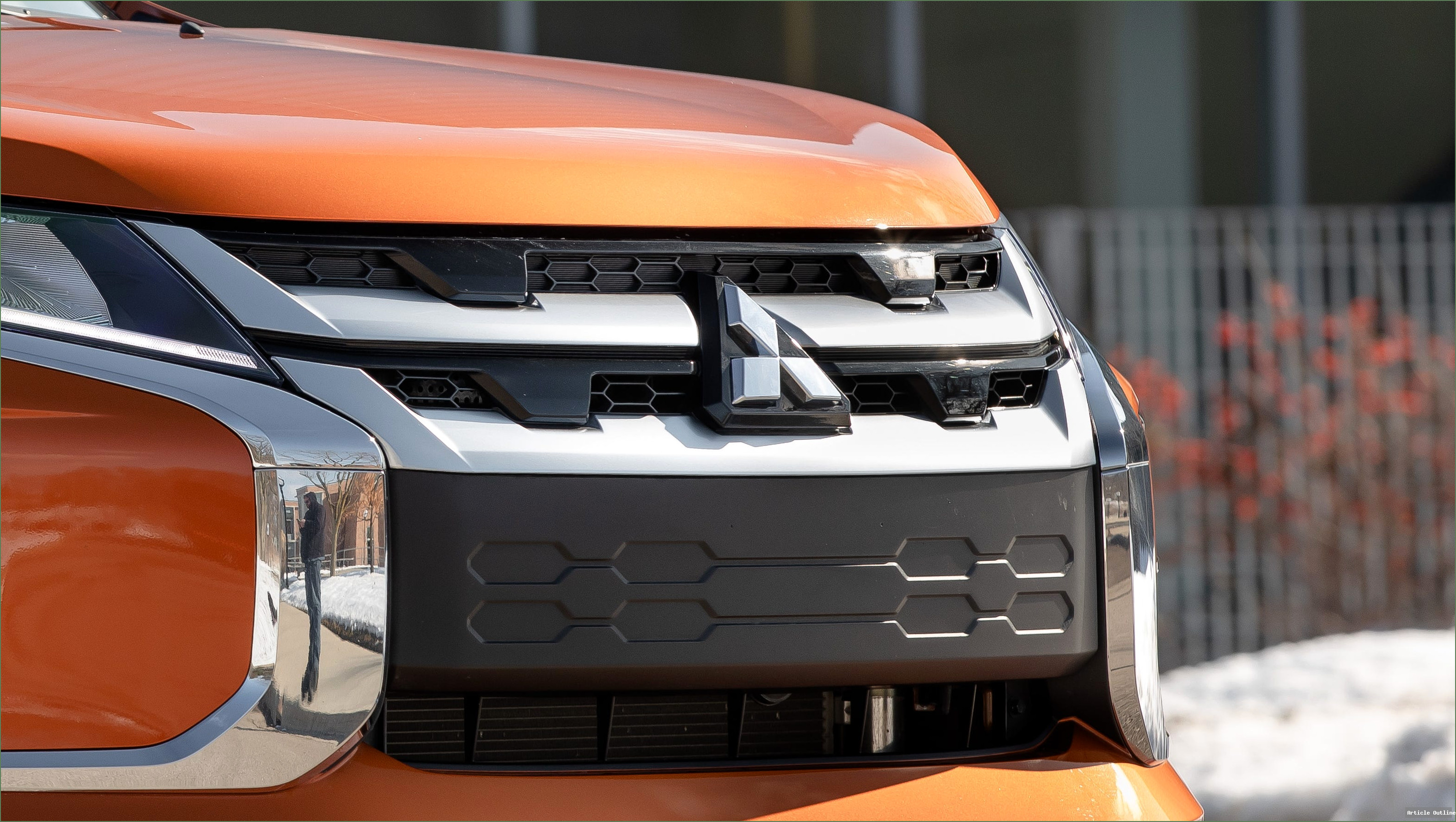
So, what’s the real story behind Mitsubishi’s new truck, and why should you care? Let’s dive deep into the context, the implications, and what most headlines are missing.
Why This Matters
- The US pickup market is fiercely competitive, and Mitsubishi hasn’t had a truck here since 2009. Partnering with Nissan gives them instant access to modern platforms, US manufacturing, and lower tariffs.
- Nissan’s next-gen body-on-frame platform (coming around 2028) will underpin not just the new Frontier but also a revived Xterra and now Mitsubishi’s new truck. That’s a massive bet on the future of gasoline and hybrid trucks amid the EV revolution.
- Midsize trucks are booming. Sales in the segment rose 19% in the US last year alone, outpacing full-size growth. Ford Maverick, Toyota Tacoma, and Chevy Colorado are all seeing strong demand.
- Mitsubishi’s US sales ambitions are bold. They want to jump from 797,000 global units to 930,000 by the early 2030s—with the US truck market as a key growth engine.
What Most People Miss
- This is more than a rebadge. While the last Mitsubishi Raider was a rebadged Dodge Dakota (and a forgettable one at that), this time Mitsubishi is involved early in platform development, which means more distinct engineering and design.
- US manufacturing is a game-changer. By building the truck in Nissan’s Mississippi plant, Mitsubishi sidesteps the 25% “chicken tax” on imported trucks, keeping prices competitive.
- Industry alliances are the new norm. Ford and Volkswagen are co-developing pickups in other markets. Toyota and Subaru share platforms. This trend helps brands cut costs and speed up innovation—but also blurs brand identity.
- There’s still uncertainty: Will the new Pajero/Montero SUV make it Stateside, or will Mitsubishi focus solely on trucks?
Key Takeaways
- Mitsubishi is set to re-enter the US truck market before 2030, ending a 20-year absence and giving buyers another Japanese contender.
- Collaboration with Nissan means modern tech, safety, and efficiency—potentially matching or beating rivals like Toyota Tacoma and Ford Ranger.
- Mitsubishi’s renewed focus on SUVs and trucks aligns with US consumer trends—bigger, more rugged, and (potentially) electrified in the future.
- This move could revitalize Mitsubishi’s brand in America, which has lagged behind other Japanese automakers in recent years.
Timeline: Mitsubishi’s US Truck Saga
- 2005: Mitsubishi Raider (Dodge Dakota twin) launches in the US.
- 2009: Raider discontinued; Mitsubishi exits US truck market.
- 2024: Announcement of new Mitsubishi midsize truck developed with Nissan.
- ~2028: Nissan’s new body-on-frame platform launches, truck production starts in the US.
- By 2030: Mitsubishi aims for a full-scale comeback in US trucks and SUVs.
Pros & Cons Analysis
- Pros:
- Access to Nissan’s modern chassis and US factories
- No import tariffs = more competitive pricing
- Potential for unique Mitsubishi tech or styling
- Benefit from booming midsize truck market
- Cons:
- Brand distinction could suffer if too similar to Nissan
- Late entry—will they catch up to Tacoma, Ranger, Maverick, Colorado?
- Unclear electrification plans as market shifts to hybrids and EVs
The Bottom Line
Mitsubishi’s US truck comeback isn’t just nostalgia—it’s a calculated move with real industry impact. If executed well, it could challenge segment leaders and breathe new life into the Mitsubishi brand. But success hinges on more than just sharing Nissan’s toolkit: Mitsubishi must deliver a truck that’s not just competitive—but compellingly different.