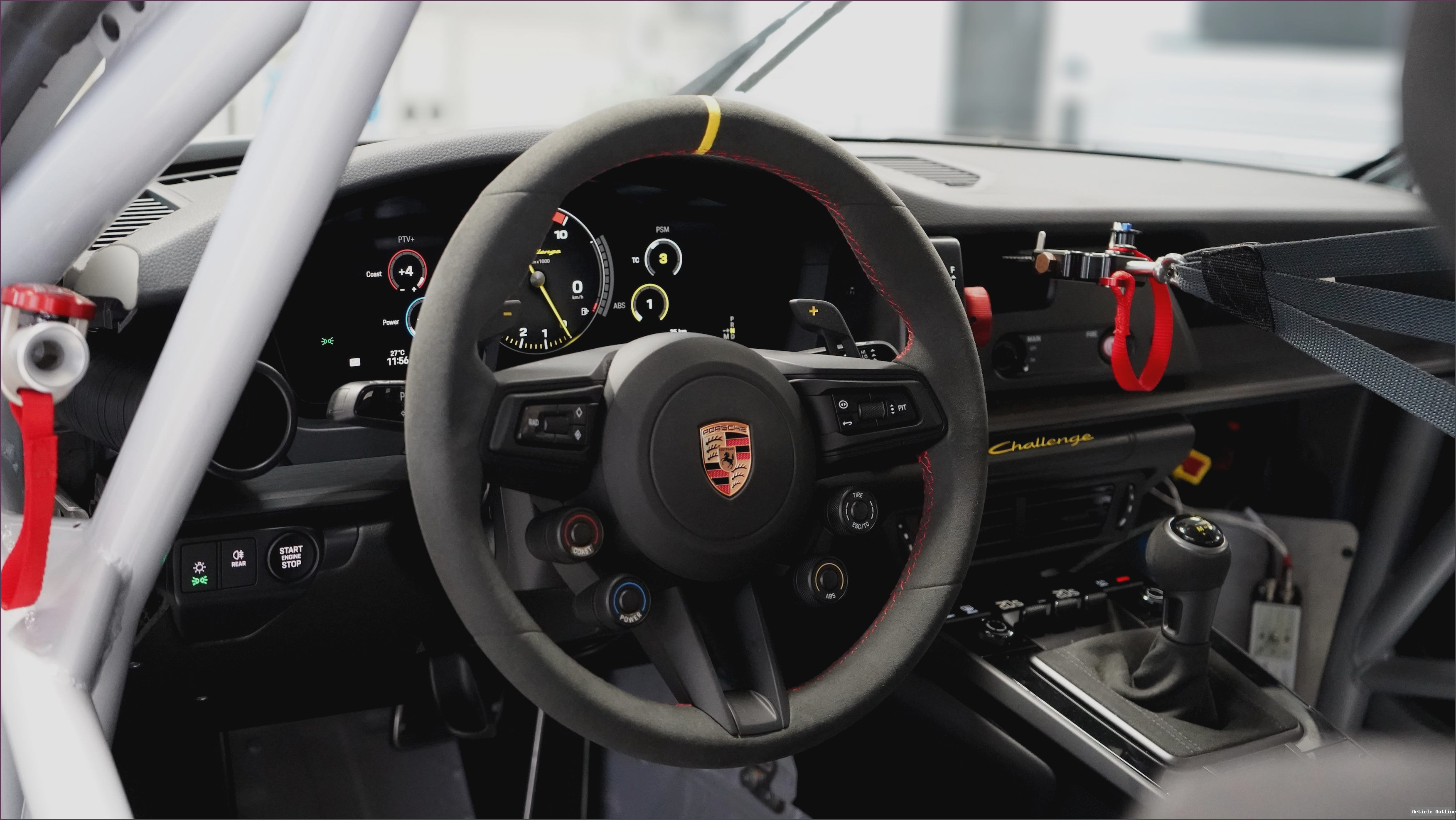
Porsche’s latest reveal—the 911 Challenge race car—isn’t just another addition to the German automaker’s illustrious racing lineup. It signals a bold pivot in how top-tier manufacturers think about ‘entry-level’ racing, and it could reshape the track-day landscape for years to come.
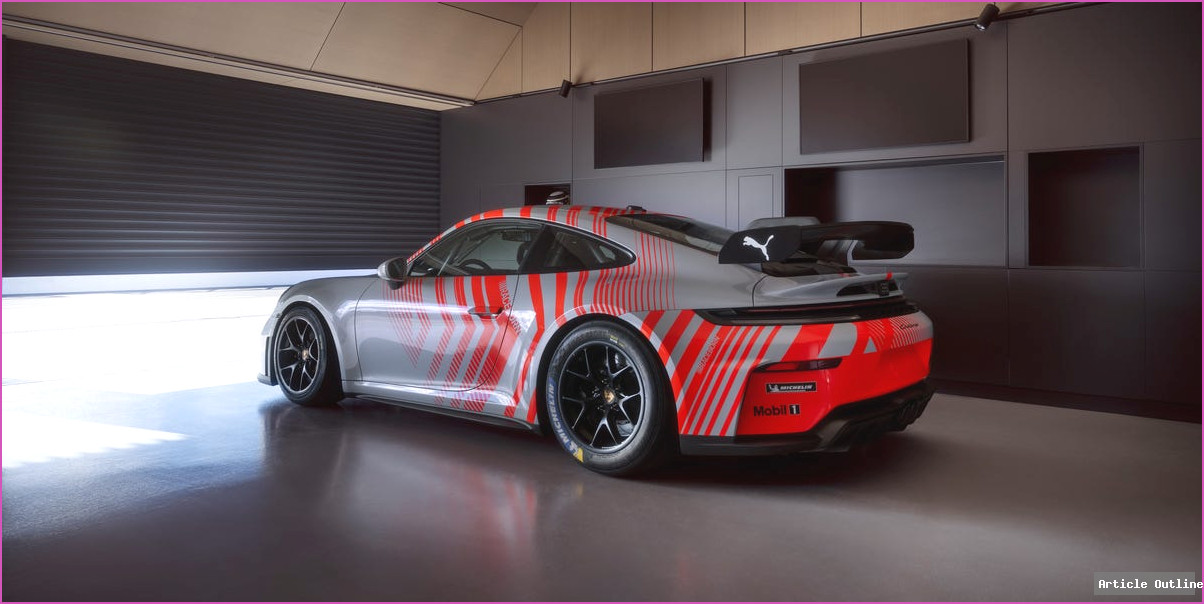
Let’s be honest: calling a $275,000 machine “entry-level” is peak Porsche humor. But beneath the surface, the new 911 Challenge is about more than just sticker shock: it’s about accessibility, engineering, and the changing face of grassroots motorsport.
Why This Matters
- Bridging the gap: With the Cayman GT4 Clubsport’s departure, amateur racers and wealthy track day warriors were left with a hole in Porsche’s customer racing program. The 911 Challenge steps into that void, offering a factory-built race car with pro-level features—but without the seven-figure price tag of a GT3 R or the complexity of a full-blown endurance car.
- Factory reliability & warranty: Unlike homebrew builds or used race cars, the 911 Challenge comes straight from Porsche Motorsport, meaning buyers get factory support, homologation, and peace of mind—a big deal in a world where reliability and safety can make or break a racing season.
- Track democratization: As racing gets more expensive and complex, a car like the 911 Challenge can attract new blood—people who want to race but don’t want to build a car from scratch or spend their weekends chasing parts.
What Most People Miss
- Price Paradox: Most will balk at the $275K price, but here’s the twist: thanks to sky-high markups and limited supply, the street-legal 911 GT3 often sells for more than this dedicated race car. For serious track enthusiasts, this is a rare instance where going full race car might actually be the cheaper option.
- Built for racing, not for show: The 911 Challenge isn’t a tarted-up street car with some stickers. Porsche has stripped it down—no airbags, no sound deadening, no luxury trim—then rebuilt it with an FIA roll cage, racing seat, fire suppression, racing slicks, and even an air-jack system for pit stops. It’s the real deal.
- Sensible touches: The car keeps the air conditioning (a nod to driver comfort on hot track days) and switches from centerlock wheels to five-bolt wheels—making wheels and spares more affordable and accessible to privateer teams.
Key Takeaways
- Power and pedigree: 508-hp 4.0L flat-six, 9000 rpm redline, and a seven-speed PDK transmission. That’s more power than the standard GT3 and a soundtrack to match.
- Ready for one-make series: Eligible for Porsche’s Sprint Trophy and other club-level racing, making it a ticket to serious competition for buyers.
- Factory-built reliability and safety: No more worrying about whether someone’s home garage welds will hold up at 150 mph. This is Porsche Motorsport engineering, front to back.
- A new era for ‘entry-level’ racing: As the definition of ‘entry-level’ shifts upward, Porsche’s move will likely prompt other brands to rethink their own customer racing strategies.
Comparison: 911 Challenge vs. Other Track Cars
- 911 GT3 (street): $290K+ market price, street legal, less track-focused equipment.
- GT3 Cup/GT3 R: $400K-$600K, full race spec, but require larger budgets and pro-level support.
- 911 Challenge: $275K, purpose-built for club racing and track days, easier entry point.
Pros and Cons
- Pros: Factory reliability, race-ready, lower cost than upper-tier race cars, eligible for official Porsche series.
- Cons: Still expensive, not street legal, limited to racing environments, requires racing license and support crew.
The Bottom Line
Porsche’s 911 Challenge isn’t just a new toy for the wealthy—it’s a sign of how racing is evolving. As costs rise and the line between street car and race car blurs, factory-built, accessible (relatively speaking) race cars like this will become more important in keeping motorsport alive and vibrant.
For aspiring racers, this car is a tantalizing gateway. For the rest of us, it’s a reminder that even as supercars go electric and autonomous, there’s still a place for analog, high-revving, track-bred machines that stir the soul.