The Sao Paulo Grand Prix qualifying wasn’t just wet – it was an absolute downpour of drama, strategy mishaps, and rare opportunities for some of Formula 1’s most overlooked talents. Lando Norris clinched pole in what he called “some of the wettest conditions” he’d ever tackled, while George Russell and Fernando Alonso openly wished for more of the same come race day. But why are top drivers hoping for chaos? And what does this mean for the wider F1 landscape?
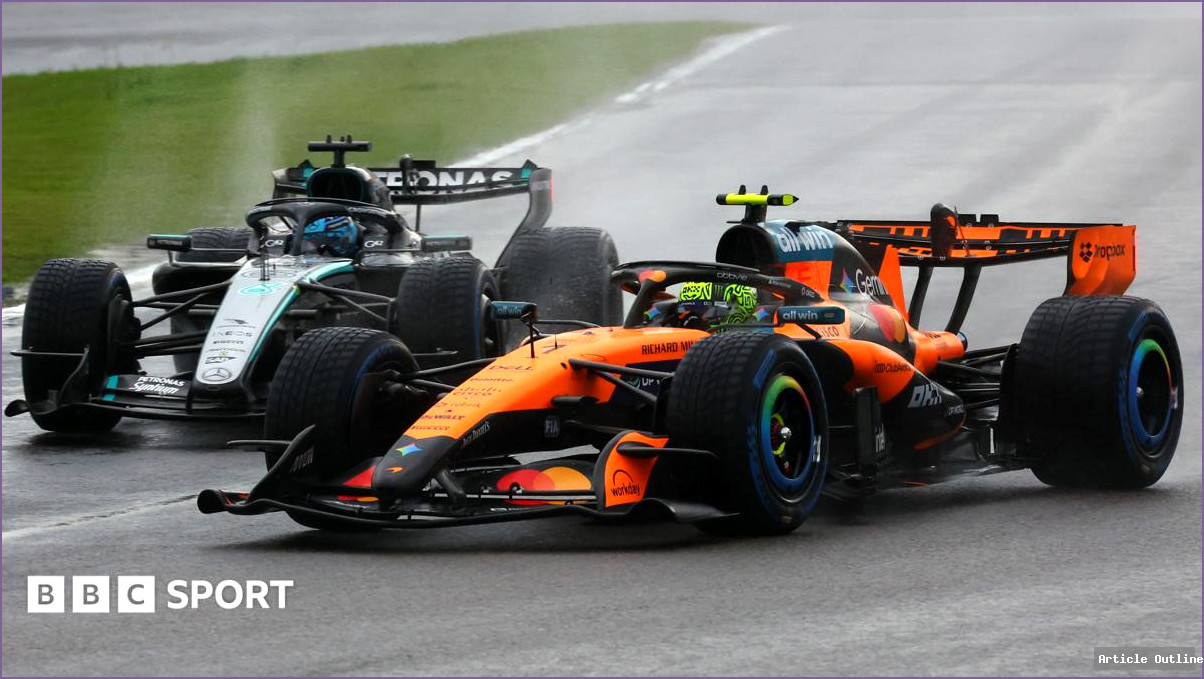
Let’s dive beneath the surface of the rain-soaked grid shake-up and explore the strategic, psychological, and competitive ripple effects of one of the most unpredictable qualifying sessions in recent memory.
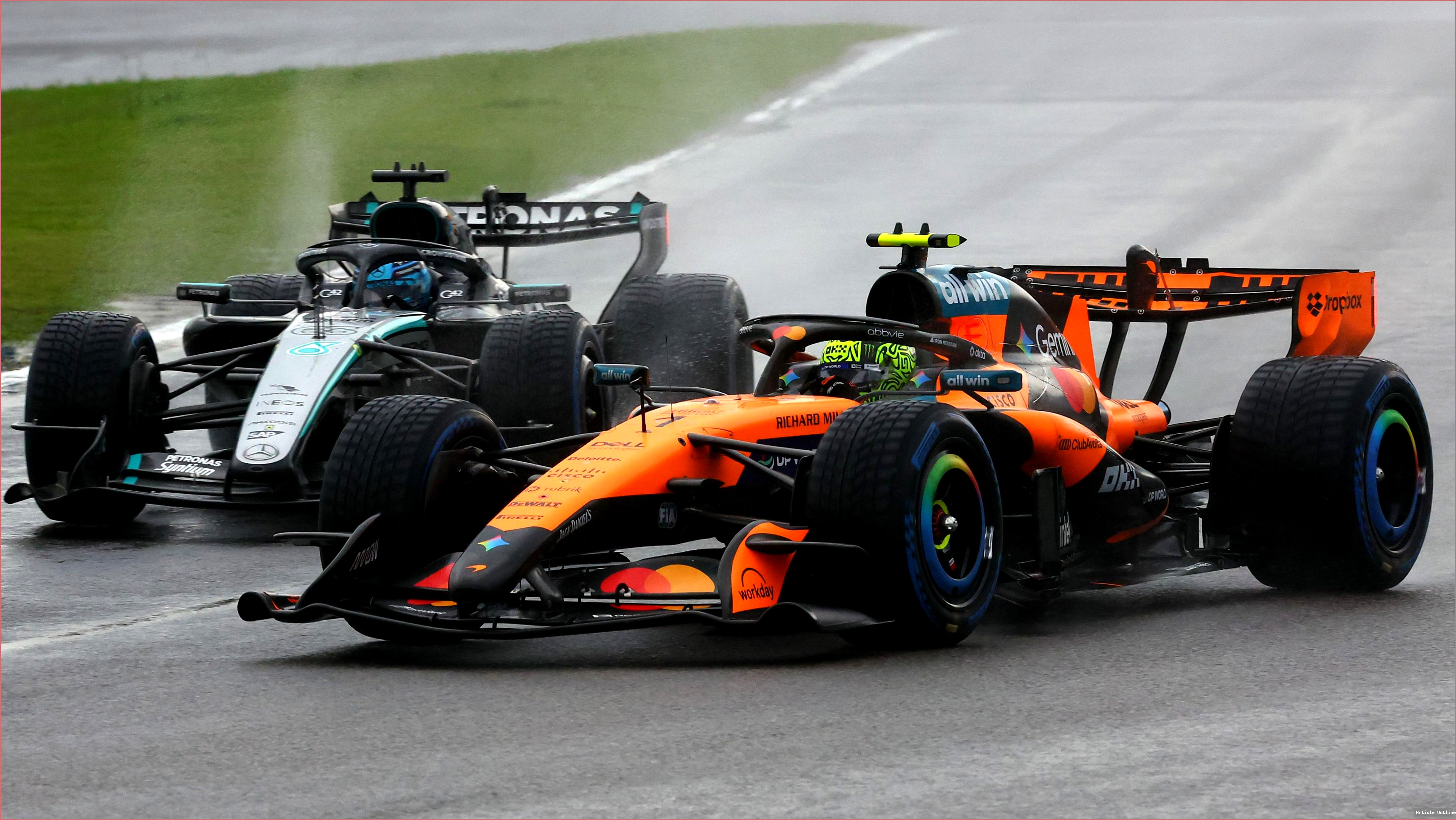
Why This Matters
- Rain resets the grid: Wet weather is the great equalizer in motorsport. Suddenly, raw car performance matters less than driver skill, risk management, and team adaptability.
- Disrupted pecking order: With four front-runners (including Russell) taking grid penalties, and wet conditions opening the door for midfield teams, the starting order looks nothing like the usual top-tier parade.
- Underdogs in the spotlight: Drivers like Liam Lawson (Racing Bulls) and Nico Hulkenberg (Audi) are starting near the front, showing how weather can create rare windows for career-defining performances.
What Most People Miss
- Psychological warfare: Norris admitted McLaren didn’t have the dry pace to claim pole, underlining how rain isn’t just a physical challenge but a mental reset for teams under pressure.
- Strategic missteps can define legacies: Russell’s frustration over team radio about being told to back off shows how split-second decisions in changing weather can haunt (or save) a season.
- Engine penalties’ hidden impact: Hamilton and Verstappen starting at the back isn’t just bad luck; it’s a byproduct of this season’s engine rules, which continue to shape the championship narrative more than many realize.
Key Takeaways and Analysis
- Norris, Russell, and Alonso WANT the chaos – because it’s their best shot at glory while minimizing raw car disadvantages.
- Midfield heroes could become household names if they capitalize on the unpredictable grid and wet track. Expect bold moves from drivers with nothing to lose.
- Team dynamics under stress: Mercedes’ internal communication blunders, Ferrari’s penalty woes, and the patchwork grid show how adaptability is king in modern F1.
- The Interlagos wild card: Weather at this iconic circuit has produced legendary upsets before. Remember Verstappen’s 2022 wet-weather charge from P17 to victory? History could repeat.
Timeline: How We Got Here
- Qualifying is delayed over an hour due to dangerous visibility and aquaplaning.
- Norris delivers a stunning pole lap in treacherous conditions, his first since Spain.
- Russell, despite a blinding drive, is hit with a five-place penalty, keeping him out of the front row.
- Engine penalties drop Hamilton and Verstappen to the back, setting up a Sunday charge.
- Midfielders like Lawson and Hulkenberg seize career-best grid positions.
Pros and Cons of a Wet Race
- Pros: Level playing field, driver heroics, unpredictable results
- Cons: Increased crash risk, strategy headaches, potential for controversial stoppages
Action Steps & Practical Implications
- Teams must prep for rapid weather changes: flexible strategies, tire gambles, and real-time communication will prove decisive.
- Drivers starting at the back (Hamilton, Verstappen, Leclerc) must balance aggression with caution – overtaking in the wet is treacherous but necessary.
- Fans should watch for early pit calls and rapid position changes – this is a prime weekend for surprise podiums.
Quotes That Sum Up The Drama
“We’re lucky it’s wet, because if it was dry, I wouldn’t be sitting here.” – Lando Norris
“I love driving in the rain. But if that was a race, there was no way we should be driving in that – the chances of seeing a really, really horrific incident are very, very high.” – George Russell
“In these conditions, you feel like you can make a little bit more of a difference.” – Norris, on why rain is the great equalizer
The Bottom Line
This Sao Paulo Grand Prix is a case study in Formula 1’s unpredictability and the human element that still trumps pure engineering. The rain has shuffled the deck, given hope to the underdogs, and set the stage for a race where skill, courage, and improvisation could matter more than horsepower. For fans, it’s a reminder: never look away when the skies open over Interlagos.