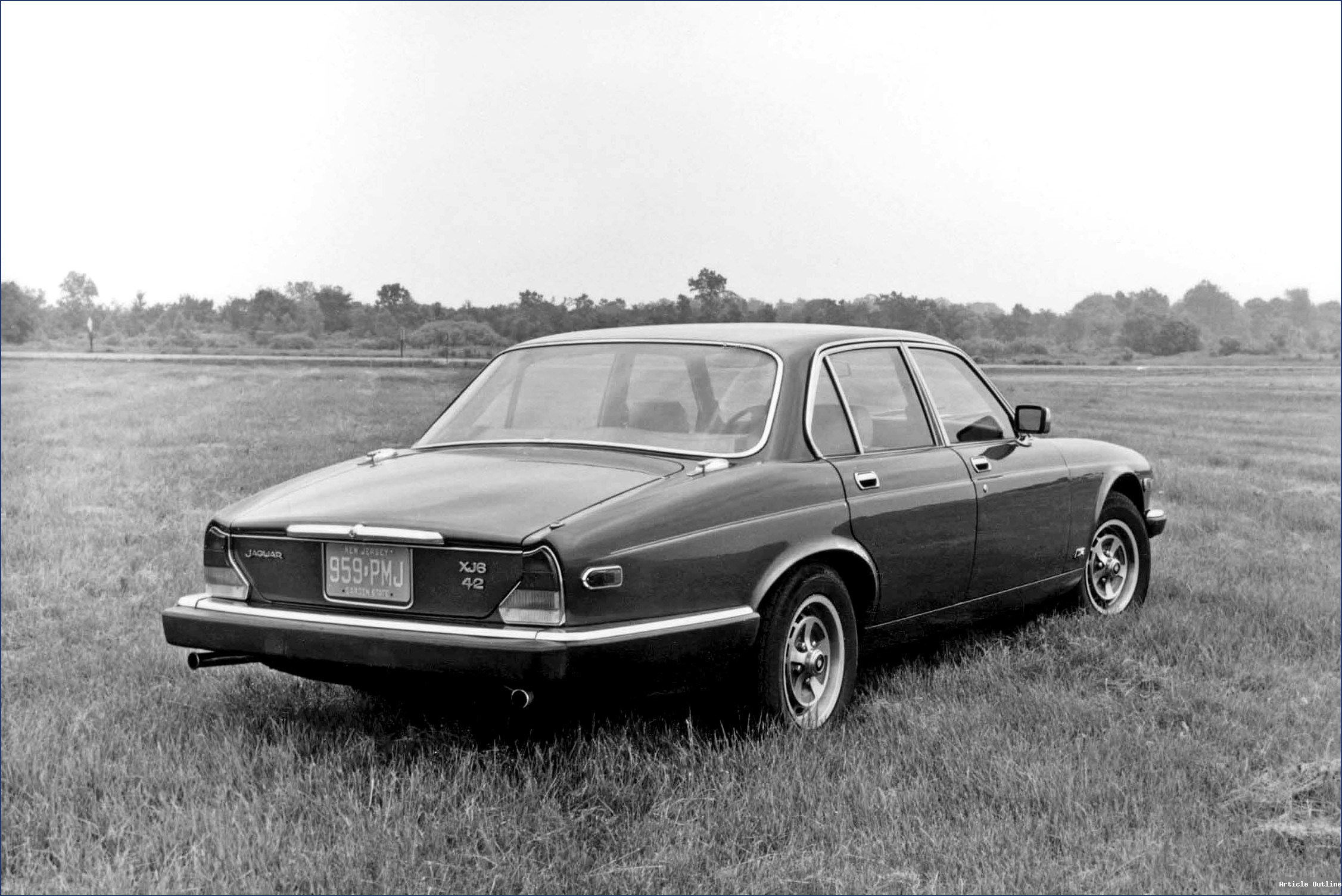
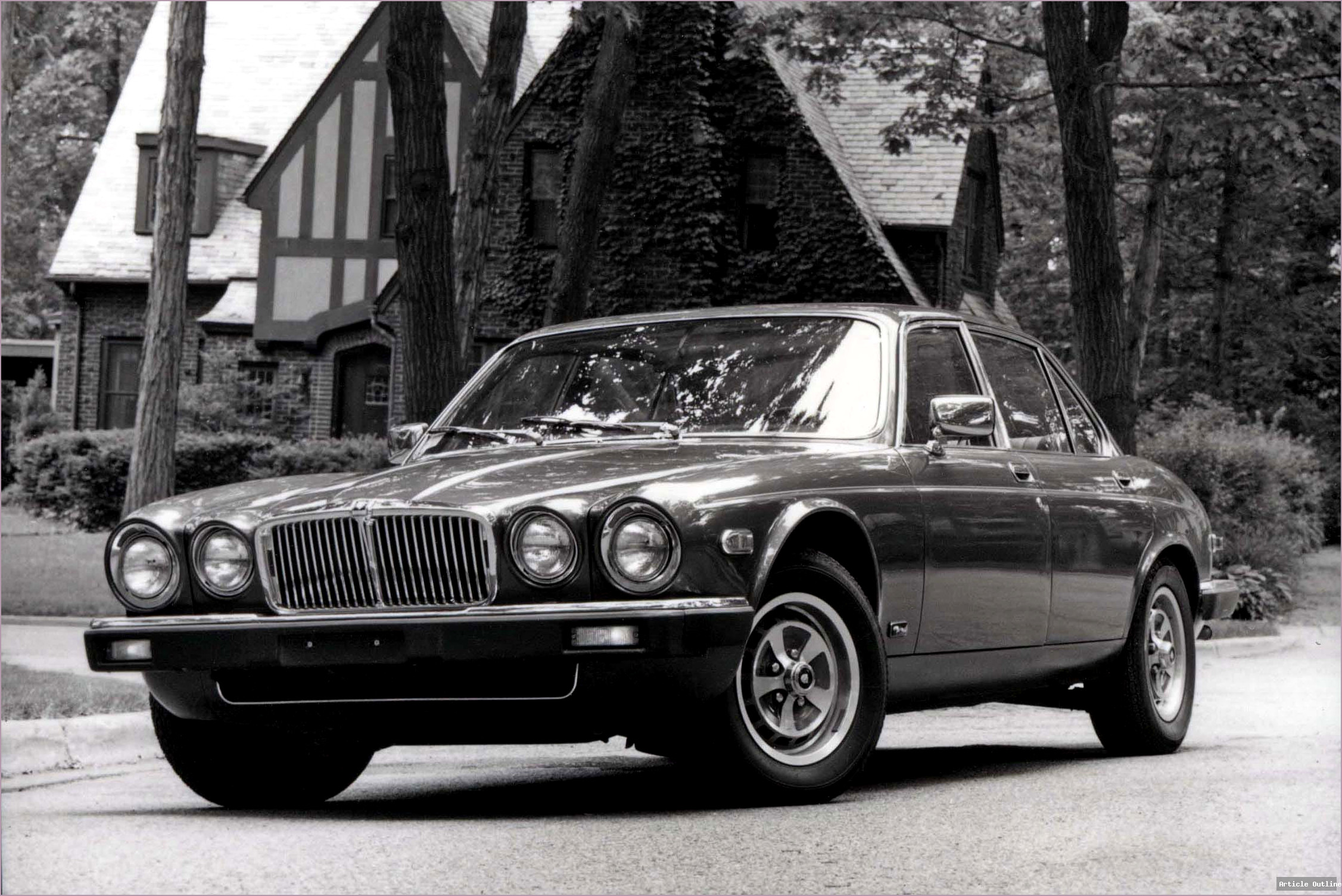
The 1981 Jaguar XJ6 isn’t just a pretty face from the past—it’s a touchstone for what British luxury sedans aspire to be. Decades after it rolled off Coventry’s assembly lines, the XJ6 still turns heads and stirs the soul. But nostalgia alone doesn’t explain its enduring mystique. Let’s break down why this classic keeps coming up in conversations about automotive excellence, and what most people overlook about this iconic machine.
Why This Matters
- The XJ6 defined the British luxury formula: blending stately looks, plush interiors, and smooth performance long before BMW and Mercedes made it mainstream.
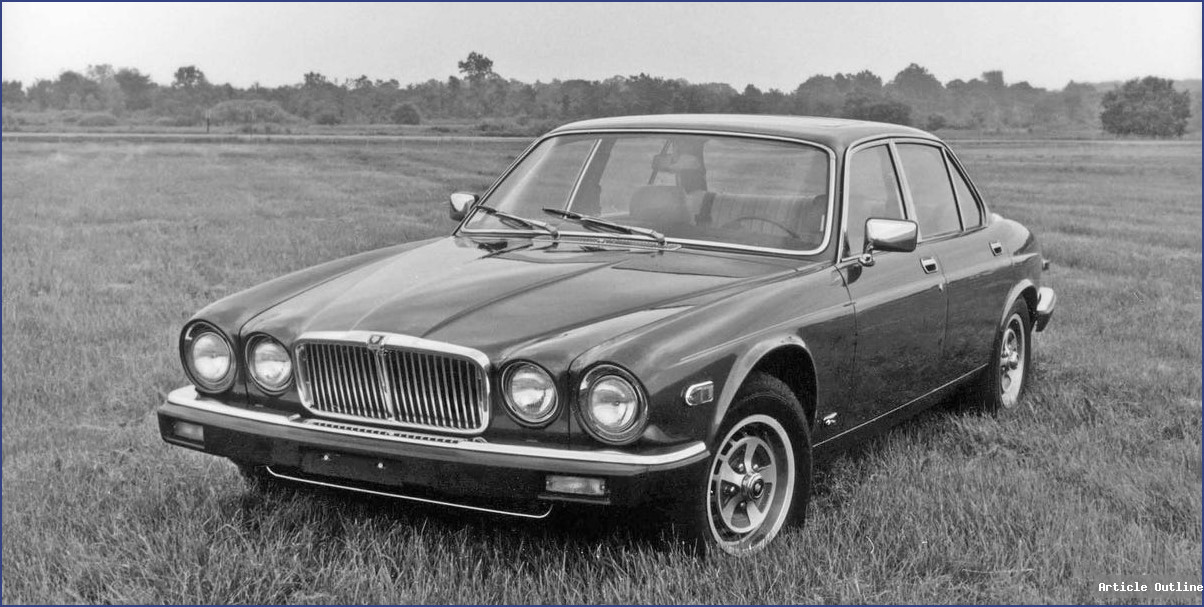
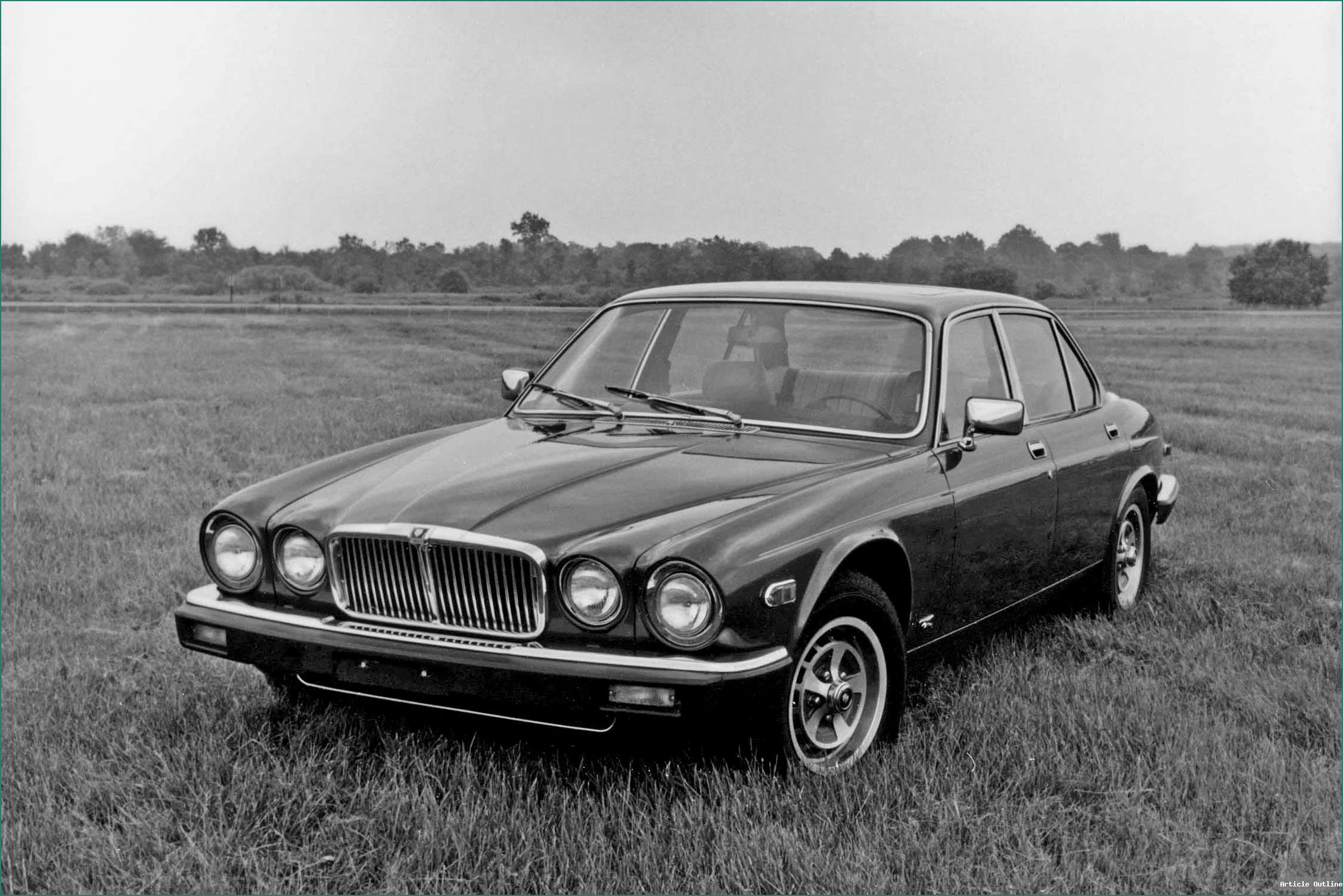
- It’s a time capsule of 1980s design: The 1981 model introduced new wheels and subtle updates, yet its silhouette remained unmistakably XJ—long, low, and impossibly elegant.
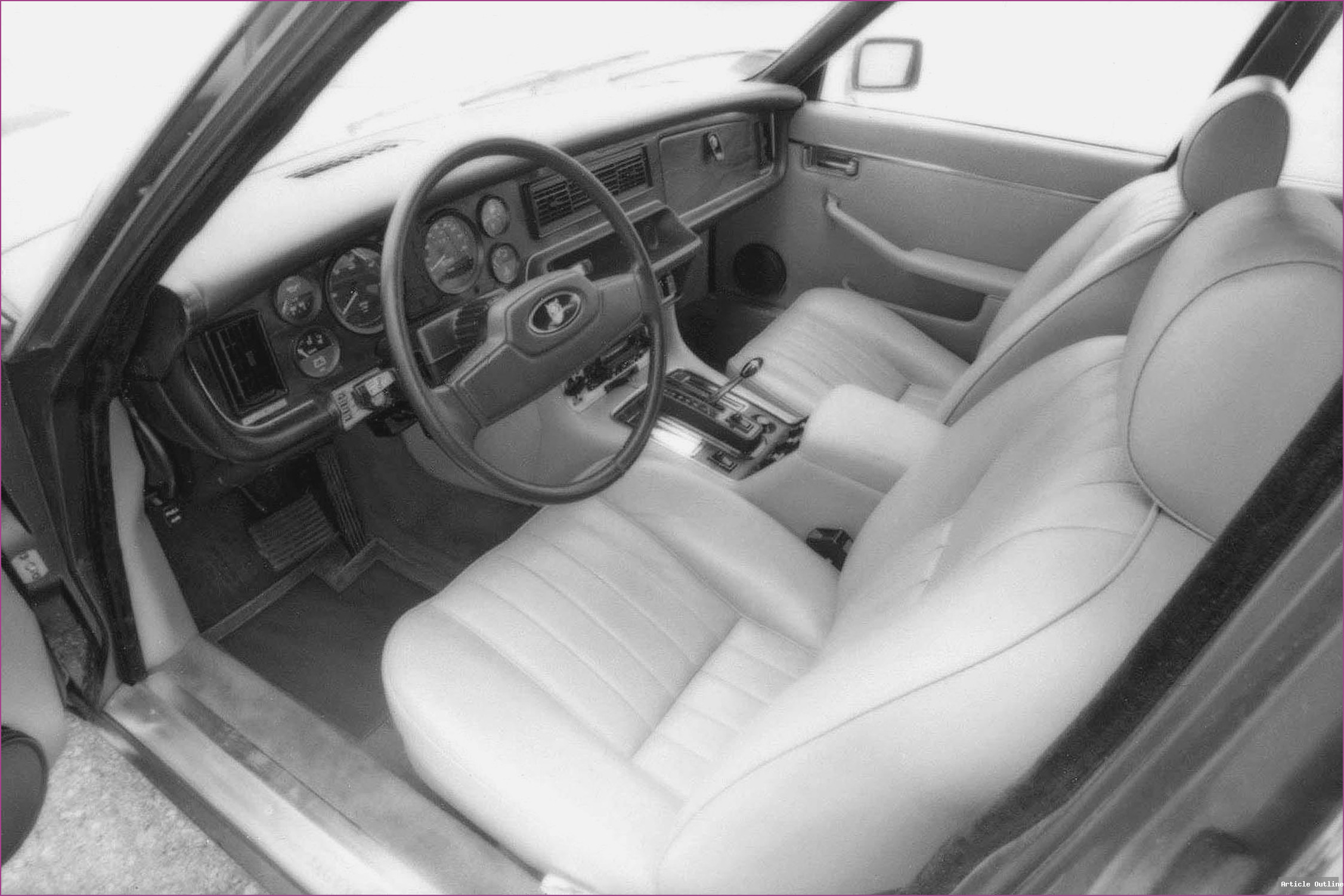
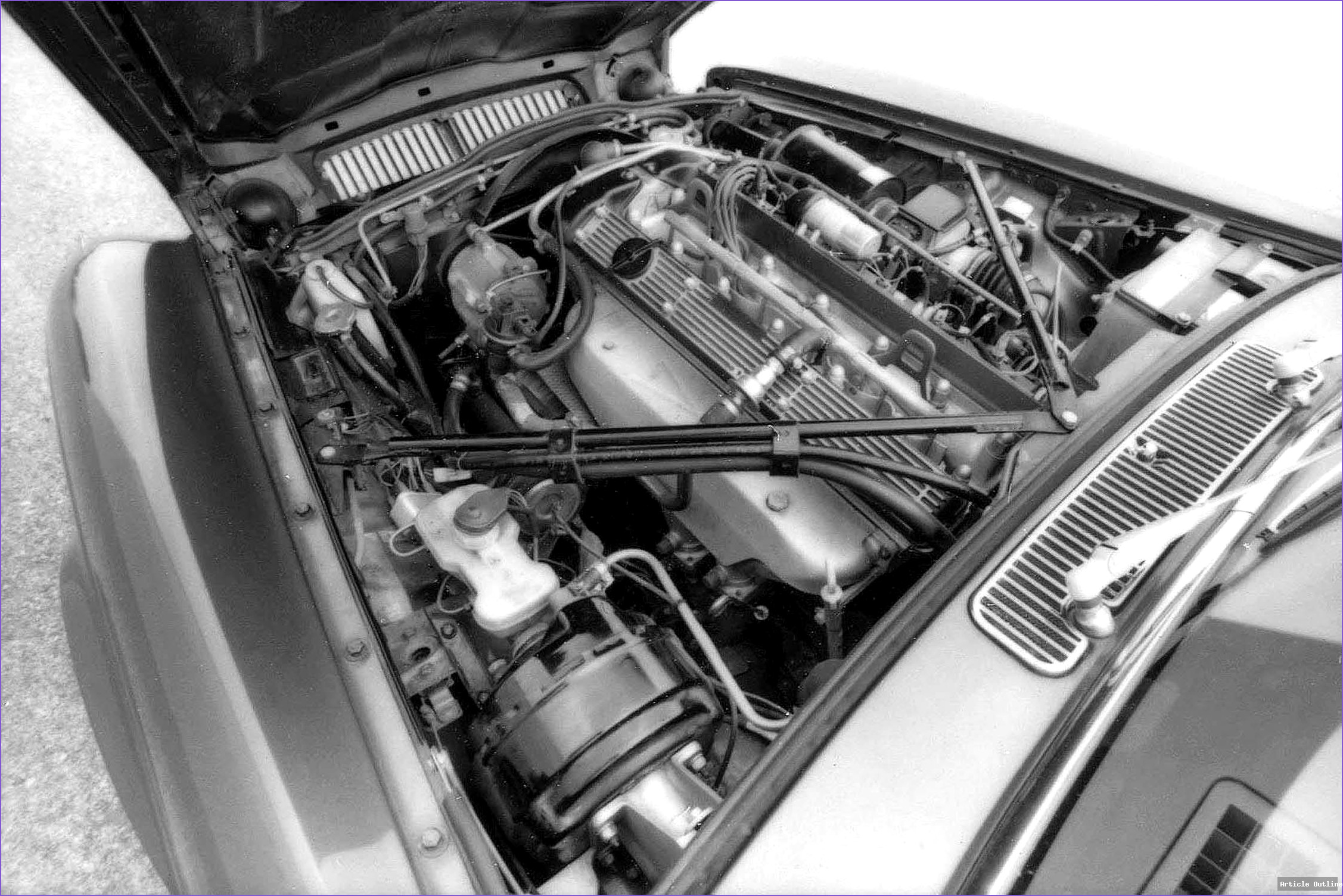
- True luxury isn’t about gadgets, but about experience: The XJ6’s leather-and-walnut cabin, cosseting ride, and the soft purr of its inline-six engine set a template modern cars still chase.
What Most People Miss
- Evolution, not revolution: While the 1981 XJ6 looked similar to its predecessors, Jaguar refined the formula—updating wheels, fine-tuning suspension, and further perfecting ride quality. This commitment to incremental improvement is rare in today’s world of yearly redesigns.
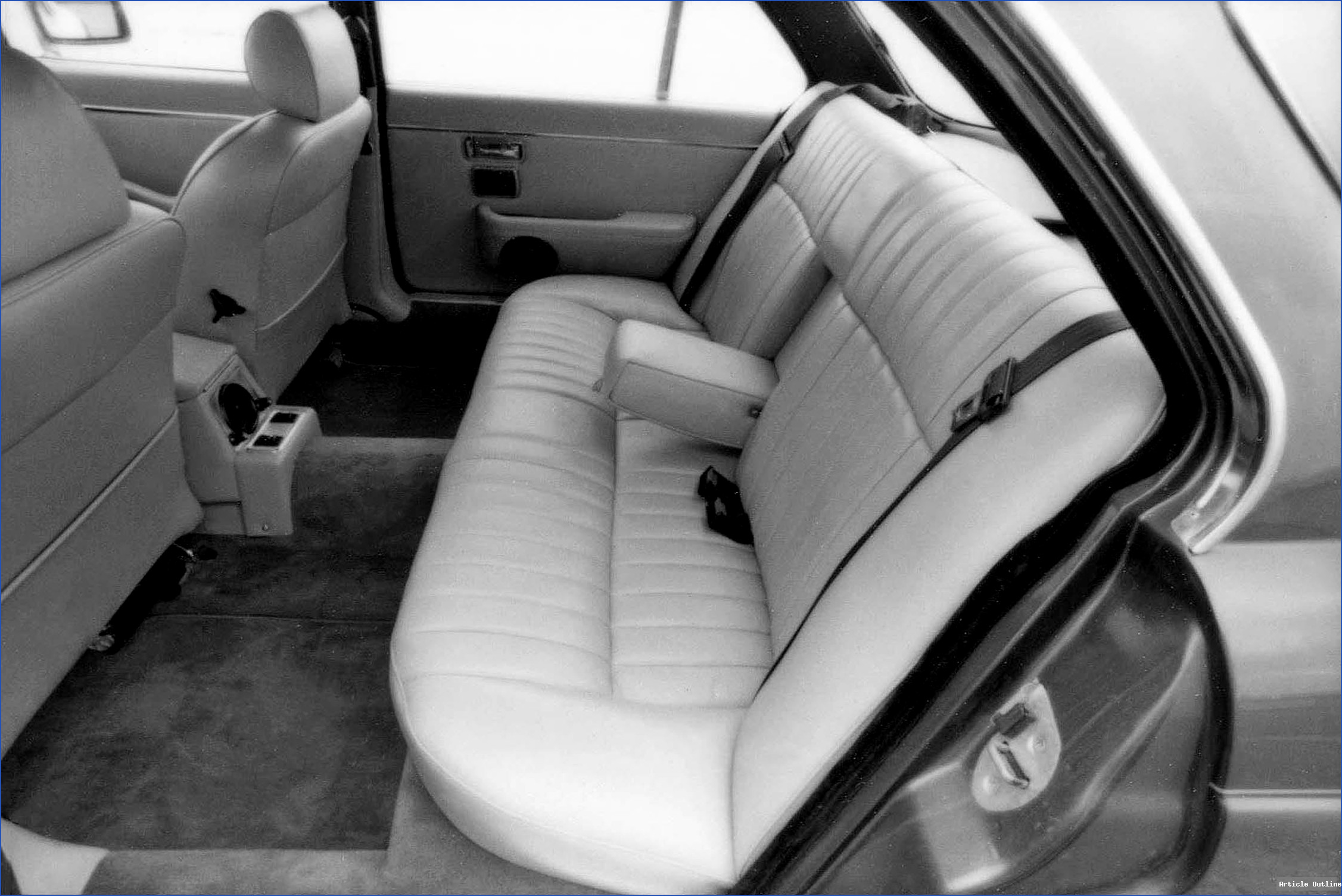
- The soul of the car is in the details: The seductive leather interior wasn’t just for show. It symbolized a hand-crafted era, where artisanship mattered more than mass production.
- It wasn’t just a luxury car—it was a protest against austerity: In a post-oil crisis world, the XJ6’s sumptuousness stood out amid the utilitarian cars of the era. It reminded drivers to savor the journey, not just the destination.
Key Takeaways
- Jaguar’s XJ6 set the standard for comfort and style—and did it with understated British wit.
- Classic design ages better than fleeting trends. The XJ6’s lines still look fresh compared to many modern cars weighed down by aggressive styling.
- True luxury is tactile, not digital. The XJ6 was about the feel of the leather, the smell of the wood, and the serenity of a well-insulated cabin.
Industry Context & Comparisons
- Contemporaries: The Mercedes-Benz W123 and BMW E12/E28 5-Series chased reliability and driving dynamics. The XJ6 countered with comfort, character, and craftsmanship.
- Legacy: Modern Jaguars still borrow cues from the XJ6—just look at the long, flowing proportions of the latest XJ or XF.
- Collectability: Hagerty data shows values for Series III XJ6s (1979–1987) have risen steadily, with pristine examples now fetching well over $20,000—proof that classic luxury never goes out of style.
Pros and Cons: 1981 Jaguar XJ6
- Pros:
- Unmatched ride comfort and isolation
- Distinctive, timeless styling
- Opulent, hand-crafted interior
- Cons:
- Notorious for electrical gremlins and reliability quirks
- Fuel efficiency lagged behind German rivals
- Maintenance can be costly due to bespoke parts
The Bottom Line
The 1981 Jaguar XJ6 is more than just a classic car—it’s a statement of intent from a company that believed refinement and grace were more important than speed or stats. In an era obsessed with technology, the XJ6 is a reminder that great design and a focus on the senses create lasting legends. If you see one glide by, tip your hat—because you’re watching a rolling piece of art, not just a mode of transport.
Sources: