The 1985 Mitsubishi Mirage Turbo might look like a simple hatchback from a bygone era, but don’t let its unassuming silhouette fool you. This car tells a bigger story about the turbocharged revolution of the 1980s, the Japanese performance surge, and why enthusiasts today still obsess over this underdog.
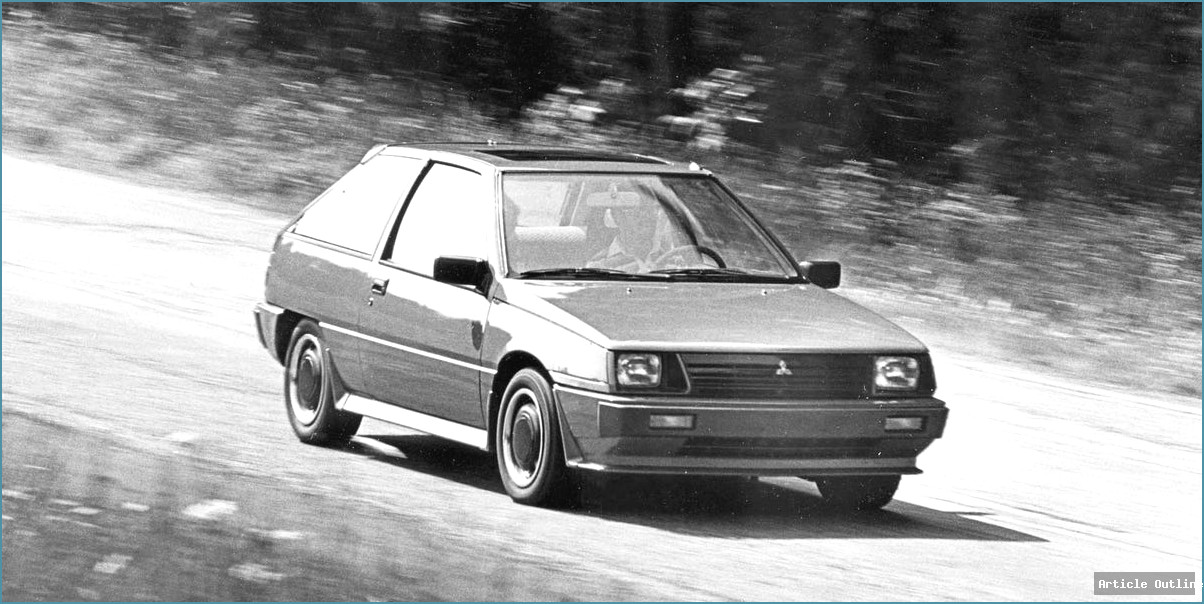
Let’s pop the hood (figuratively and literally) on why the Mirage Turbo deserves more than just a photo gallery slideshow:
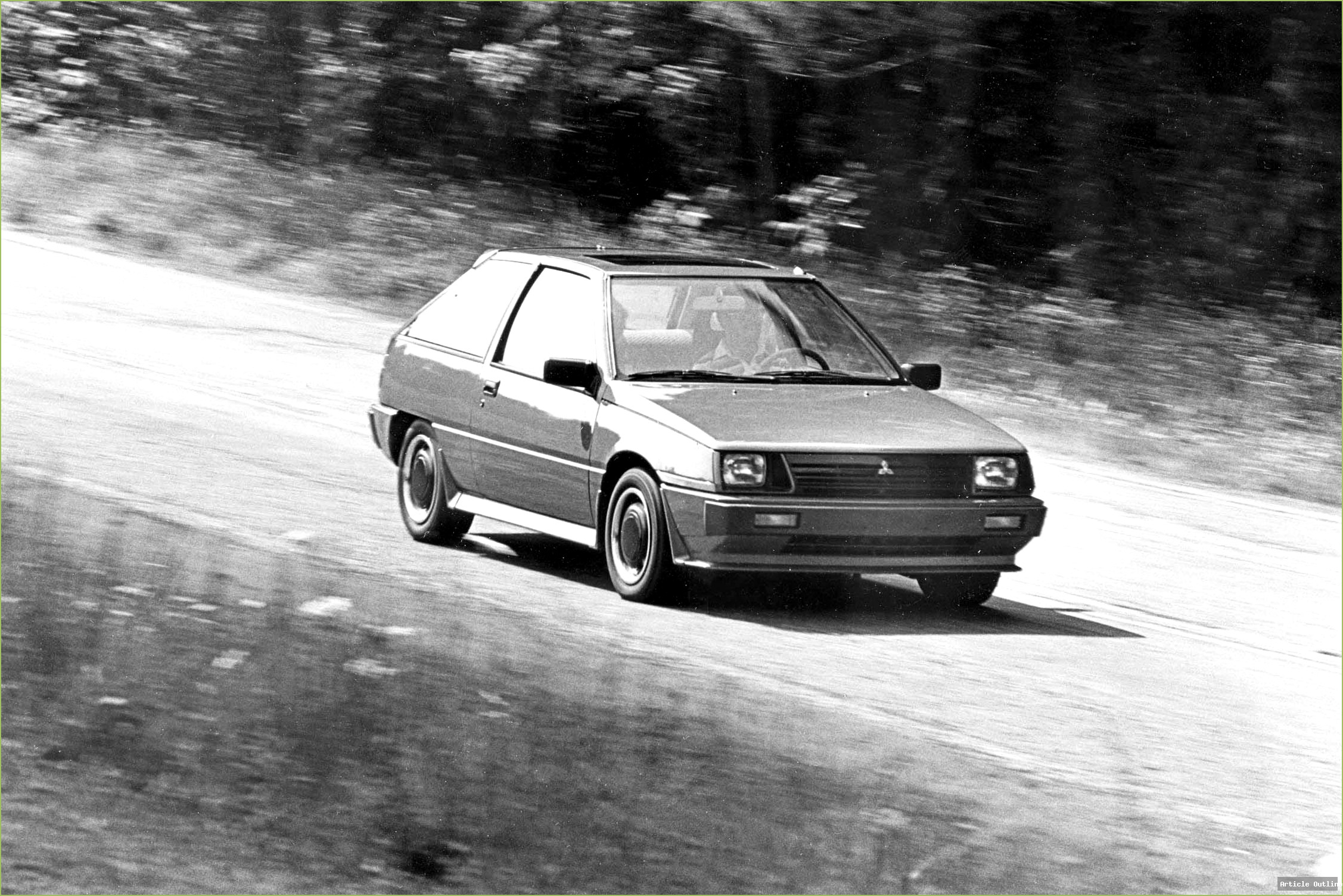
Why This Matters
- Turbocharging was a game-changer in the 1980s. The Mirage Turbo was part of a wave of affordable, fun-to-drive turbo hatchbacks that redefined what small cars could offer.
- Japanese automakers were flexing their engineering muscles, showing the world they could make not just economical cars, but exciting ones too.
- The Mirage Turbo is a symbol of an era when performance became accessible to the everyday driver—not just those with deep pockets.
What Most People Miss
- The Mirage Turbo wasn’t just about straight-line speed. With its lightweight chassis (well under 2200 lbs), independent suspension, and quick steering, it handled like a go-kart compared to many of its rivals.
- It was a true global car. Sold as the Colt Turbo in Europe, and under various badges worldwide, it helped Mitsubishi build a passionate fan base—especially among tuners.
- Turbo lag was real—but so was the fun. The 1.6L turbo-four produced just 102 hp, but in a car this light, it felt much punchier. That turbo surge at mid-RPMs? Pure 1980s magic.
Key Takeaways
- Performance on a budget: MSRP was around $8,000, making it an attainable thrill for young drivers. Today, that’s about $22,000 when adjusted for inflation—still a steal for the experience.
- A design snapshot of its time: Angular, boxy, and full of analog charm—the Mirage Turbo’s interior and exterior reflect the best (and quirkiest) of 1980s automotive design.
- Legacy: Without cars like the Mirage Turbo, the hot hatch segment as we know it wouldn’t exist. It paved the way for icons like the Volkswagen GTI, Ford Fiesta ST, and Honda Civic Si.
Comparison: Mirage Turbo vs. Its Rivals
- Volkswagen GTI: More power in later years, but heavier and pricier.
- Dodge Omni GLH: Another turbocharged lightweight, but less refined than the Mitsu.
- Honda Civic Si: Naturally aspirated, but arguably more reliable and just as fun.
Timeline: The 1985 Mirage Turbo In Context
- 1978: First Mirage launches as an economy car.
- Early 1980s: Turbocharging fever hits mainstream automakers.
- 1985: Mirage Turbo arrives in the US—sleek, affordable, and quick.
- Late 1980s: The Mirage evolves, but the turbo version remains a cult favorite among gearheads.
Pros and Cons
- Pros: Lightweight, tossable, turbo rush, analog driver engagement, affordable fun.
- Cons: Turbo lag, basic interior by modern standards, rust-prone if not cared for, limited by 1980s emissions tech.
The Bottom Line
The 1985 Mitsubishi Mirage Turbo is more than a nostalgia trip; it’s a landmark in automotive democratization. It showed that ordinary people could have extraordinary fun behind the wheel without breaking the bank. Today, it stands as a testament to Mitsubishi’s once-bold spirit—and a reminder that sometimes, the most memorable cars aren’t the fastest or most expensive, but the ones that made you smile every drive.