The 1992 Dodge Viper RT/10 wasn’t just a car—it was a thunderclap that shook the automotive world out of its early-’90s slumber. With its unapologetically raw design, V10 muscle, and ‘back to basics’ ethos, the Viper wasn’t just about speed—it represented a shift in how American automakers thought about sports cars.
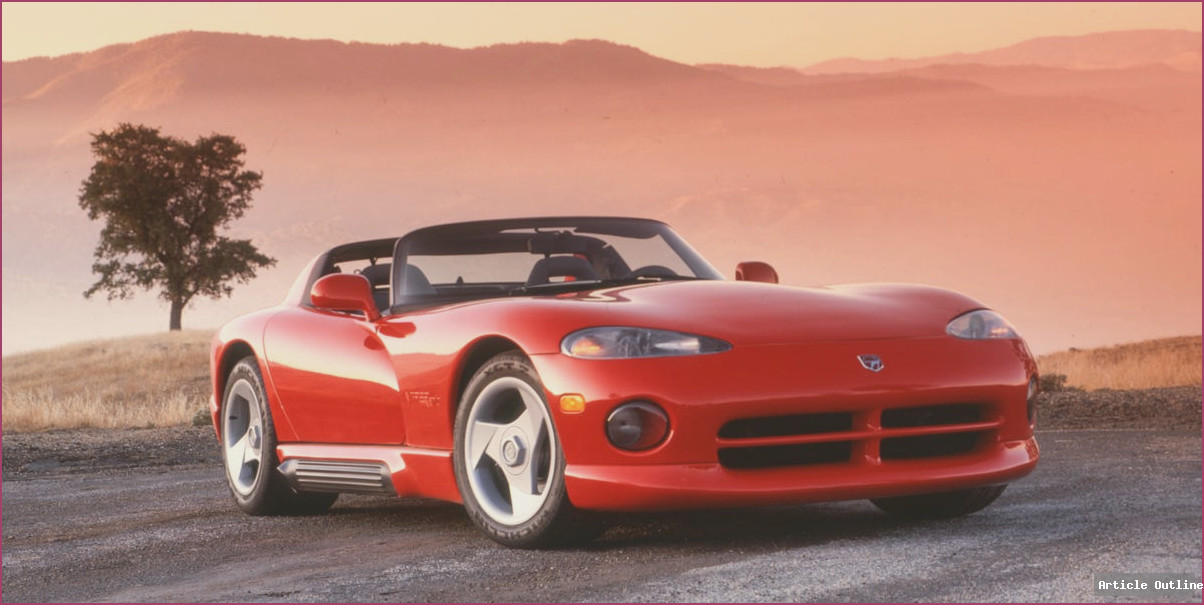
Today, when we look back at the Viper’s debut, it’s easy to focus on the headline numbers: 400 horsepower, 450 lb-ft of torque, 0-60 in 4.6 seconds, and a top speed of 159 mph. But the real story is what the Viper dared to leave out—and why that mattered.
Why This Matters
- The Viper marked the return of the American ‘no excuses’ supercar, echoing the classic Shelby Cobra’s spirit in a market dominated by ever more refined (and, let’s face it, sometimes sanitized) sports cars.
- It proved that Chrysler—a company not exactly known for wild performance in the ’80s—could out-crazy even the Corvette ZR-1, and capture the imagination of a new generation of enthusiasts.
- The Viper’s design philosophy—minimal frills, maximum thrill—challenged the industry’s focus on comfort and electronic aids, instead betting that some drivers would gladly trade power windows for raw adrenaline.
What Most People Miss
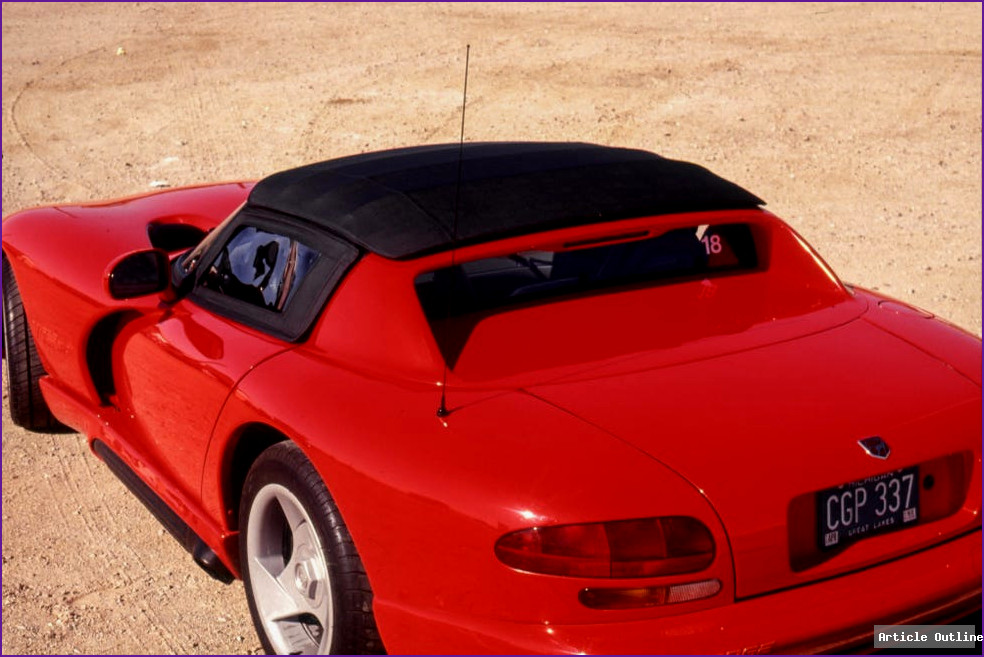
- The Viper’s lack of creature comforts wasn’t just cost-cutting—it was a statement. No windows, no exterior door handles, and a canvas top? That was the point. The Viper was about connection, not convenience. It demanded your attention, and rewarded commitment.
- The car’s handling quirks—massive tires that followed road grooves, a twitchy response to bumps at speed—were part of its personality. By modern standards, these would be “flaws,” but in the early ’90s, they were proof of the car’s unfiltered character.
- Its V10 soundtrack drew mixed reviews (described as “God’s own Dustbuster”), but this odd note arose from federal noise regulations, not lack of engineering. The limits of the era shaped the car’s very identity.
Key Takeaways
- Performance over polish: The Viper outpaced the mighty Corvette ZR-1 in the quarter-mile, despite weighing 3450 lbs and offering fewer amenities.
- Driving was an event, not a routine. Every drive was memorable, not just for the speed, but for the sense of occasion—something many modern sports cars struggle to replicate.
- For about $55,000 (about $120,000 in today’s money), enthusiasts got a visceral, analog experience that would be nearly impossible to find new today.
- It wasn’t for everyone. The Viper was demanding, occasionally tricky to see out of, and could bite the unwary. But for many, that’s exactly what made it legendary.
Context and Comparisons
- At a time when the Corvette ZR-1 and Japanese supercars (NSX, Supra Turbo) were pushing technology and refinement, the Viper went the other way—eschewing ABS, traction control, and even airbags in its early years.
- It wasn’t the fastest car in the world, but it was the most memorable—and, arguably, the most American.
- The Viper’s spiritual predecessor, the Shelby Cobra, followed a similar formula: a big engine, minimal weight, and a focus on sensation over sophistication.
Pros & Cons (1992 Dodge Viper RT/10)
- Pros:
- Unmatched visceral driving experience
- Iconic styling and presence
- Blistering acceleration and handling for its era
- Cons:
- Minimal weather protection and comfort
- Challenging handling at the limit
- Peculiar exhaust note due to regulations
Legacy and The Bottom Line
The 1992 Dodge Viper RT/10 redefined what an American sports car could be—raw, bold, and unapologetic.
It was a car that made “Chrysler” a word spoken with passion among automotive enthusiasts—a feat few would have predicted in the early ’90s. The Viper’s DNA still courses through modern performance cars, but its unfiltered character remains unmatched. If you want a reminder of when cars were wild, imperfect, and unforgettable, just look at the original Viper and remember: sometimes, less really is more.
