Some cars just have that mischievous spark—the kind that makes you smile before you even turn the key. The 1992 Mazda MX-3 GS was one such car, and it wasn’t just its quirky grin or slinky styling that set it apart. Under the hood, it packed the world’s smallest-production V6 engine—a feat of engineering whimsy and ambition that still has gearheads talking decades later.
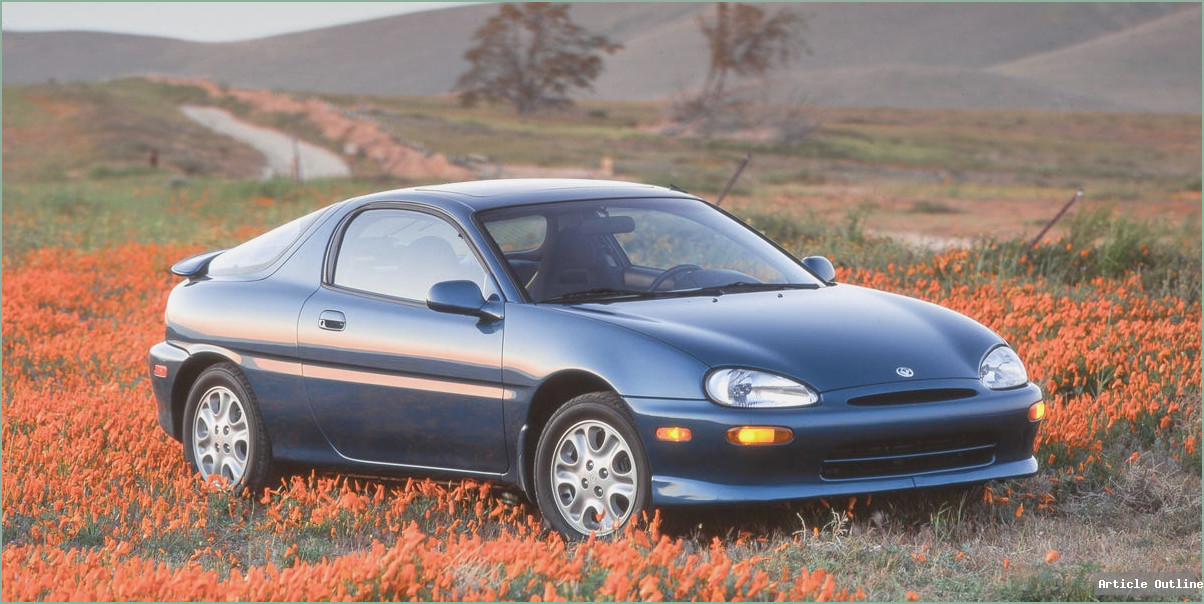
But what really made the MX-3 GS special? And why does it still matter today, in a world obsessed with SUVs and turbo-fours? Let’s dig beneath the surface and see what most people miss about this little hell-raiser.

Why This Matters
- Engineering Bravado: In an era dominated by four-cylinder econocoupes, Mazda dared to install an all-aluminum, DOHC 24-valve V6 displacing just 1.8 liters. That’s not the typical formula for affordable sportiness.
- Segment Disruption: The MX-3 GS didn’t just join the crowded small coupe market—it challenged it. Rivals like the Toyota Paseo, Nissan NX, and Honda CRX stuck to four-bangers. Only Volkswagen’s Corrado SLC even tried to get close, and that was with a much larger and heavier VR6.
- A Different Kind of Fun: The MX-3 GS wasn’t about brute force. Instead, it offered a silky, free-revving character with a soundtrack that evoked classic Jags and Mazdas of old. It was about the experience—not just the numbers.
What Most People Miss
- The “Real” Four-Seater Claim: Mazda sold the MX-3 as a true four-passenger coupe, but let’s be real—adult-sized folks in the rear needed to be both limber and forgiving. Still, it beat most competitors who offered back seats only for insurance purposes.
- Chassis Magic: Mazda’s focus on “stagility” (stability + agility) paid off. The GS’s generous wheelbase and track gave it a poised, planted feel in corners that belied its front-drive layout. Today’s hot hatches owe a debt to this formula.
- Rev-Happy Character: The V6 delivered 130 hp at a screaming 6,500 rpm, but torque was modest (115 lb-ft at 4,500). You had to work the gearbox and keep the revs high to unlock the magic—a rarity nowadays, when turbo torque is king.
Key Takeaways
- Specs That Stood Out: 0-60 mph in 8.5 seconds, quarter-mile in 16.0 @ 85 mph, top speed of 125 mph, and an estimated 24/30 mpg city/highway—impressive for the early ‘90s.
- Design for Drivers: An airy, well-laid-out cabin, supportive seats, and a low cowl made the MX-3 feel sporty without punishing its occupants.
- Mazda’s Brand DNA: The MX-3 GS was more than a coupe; it helped cement Mazda’s reputation for building offbeat, fun-to-drive cars—think RX-7, Miata, and even today’s MX-5.
Comparisons & Context
- Against the Competition: While the CRX was lighter and the Nissan NX2000 more powerful, neither matched the MX-3’s smoothness or sophistication. The Isuzu Impulse and Geo Storm? Fun, but forgettable next to Mazda’s oddball V6.
- Engineering Rarity: To this day, sub-2.0L V6 engines are unicorns in the automotive world. The MX-3’s K8 engine remains a cult favorite for swap projects and JDM nostalgia.
- Market Impact: Mazda’s willingness to experiment paved the way for the brand’s later successes. This car’s DNA can be seen in modern Mazdas’ dedication to driver engagement.
Pros & Cons Analysis
- Pros:
- Unique V6 engine—smooth, rev-happy, and sonorous
- Sharp, distinctive styling
- Well-balanced chassis and engaging handling
- Better rear-seat usability than most rivals
- Cons:
- Low-end torque leaves you wanting more in daily driving
- Back seat still tight for adults on long trips
- Gearbox throws could be shorter and more precise
Timeline: 1992 Mazda MX-3 GS in Context
- 1991: MX-3 GS announced with world’s smallest V6
- 1992: Public debut; praised for handling and engine character
- Mid-90s: Gains cult following among enthusiasts; engine swaps become popular
- Today: Surviving examples are cherished as affordable classics, still loved for their quirky charm
The Bottom Line
The 1992 Mazda MX-3 GS stands as a testament to Mazda’s willingness to break the mold. For enthusiasts, it’s a reminder that sometimes, the most memorable cars aren’t the fastest or most powerful—they’re the ones that make you grin every time you drive. If you ever get the chance to experience one, don’t pass it up. It might just wink at you—and you’ll want to wink back.