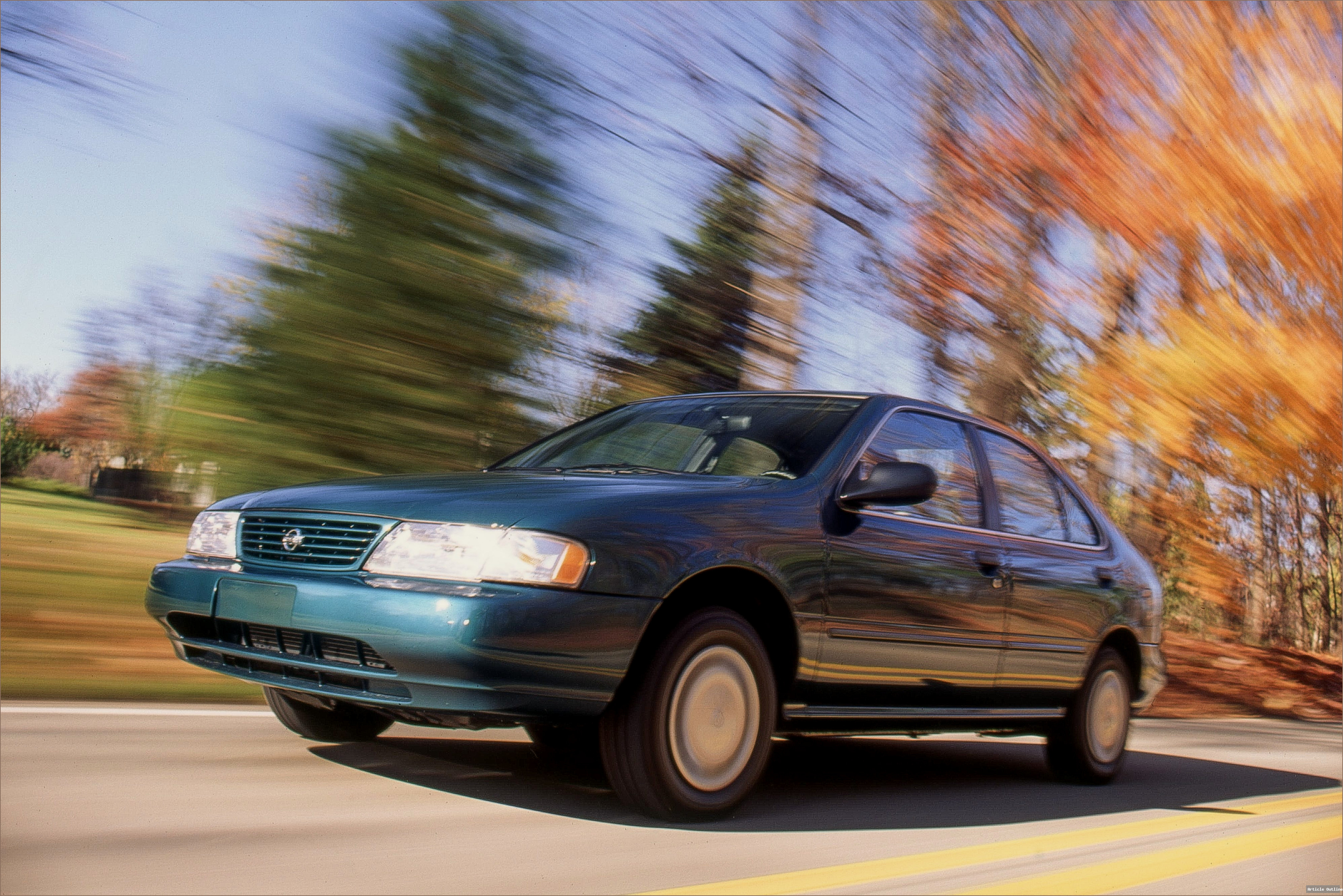
In the mid-90s, ‘more car’ meant more size, more luxury, and, inevitably, more dollars. But with the 1995 Nissan Sentra GXE, Nissan flipped that narrative on its head—delivering more substance with less excess. This wasn’t just a new Sentra; it was a subtle but meaningful shift in what buyers could expect from a compact sedan.
Why This Matters
- Redefining Value: The Sentra GXE offered a lower base price than its predecessor, yet delivered more space, better performance, and increased safety features. At a time when most upgrades came with sticker shock, Nissan dared to cut the cost.
- Efficiency With No Compromise: The 1995 Sentra managed to be lighter, roomier, and more powerful—and still improved its MPG. This was a big deal in an era before eco-consciousness was mainstream.
- A Template for Modern Compacts: The Sentra’s formula—smaller footprint, bigger interior—has become the gold standard for today’s compact cars.
What Most People Miss
- Grown-Up Chassis Engineering: The rear suspension, a clever beam-axle with a sliding link, maximized cabin space without resorting to complex (and expensive) independent setups. This is the kind of engineering trick that quietly shaped the future of budget cars.
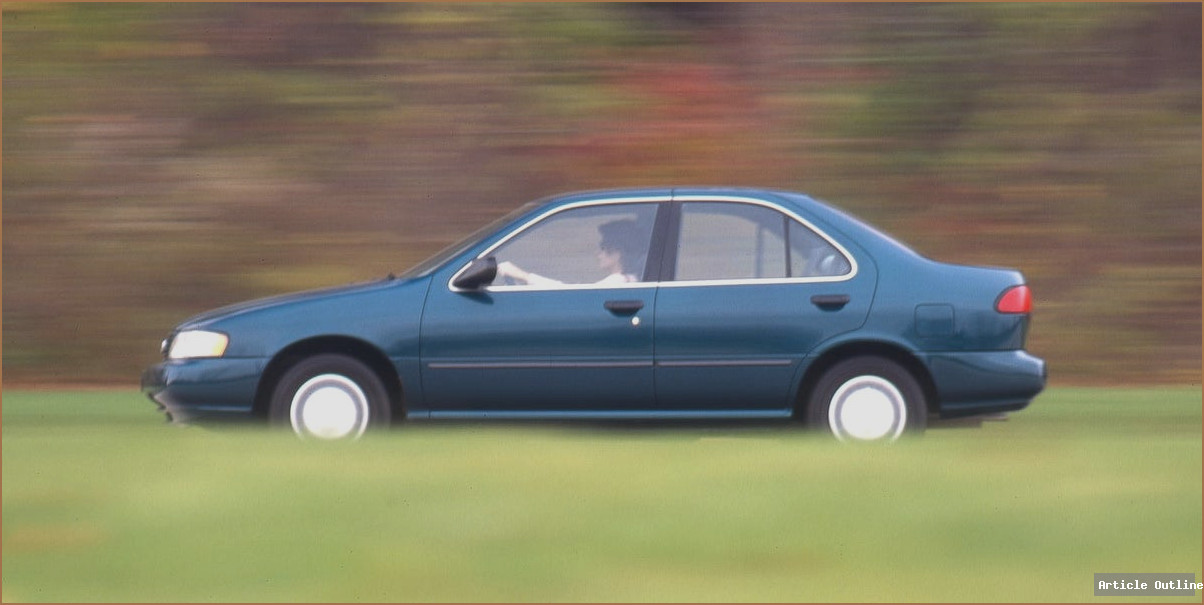
- Mature, Not Flashy: The styling shift from boxy to curvier lines may not have turned heads, but it signaled Nissan’s move to attract buyers looking for substance over show. The Sentra was suddenly more Maxima than econobox.
- A Small Car That Felt Big: Thanks to a longer wheelbase and wider track, the Sentra offered rear-seat and trunk space that rivaled larger sedans, all without growing in length.
Key Takeaways
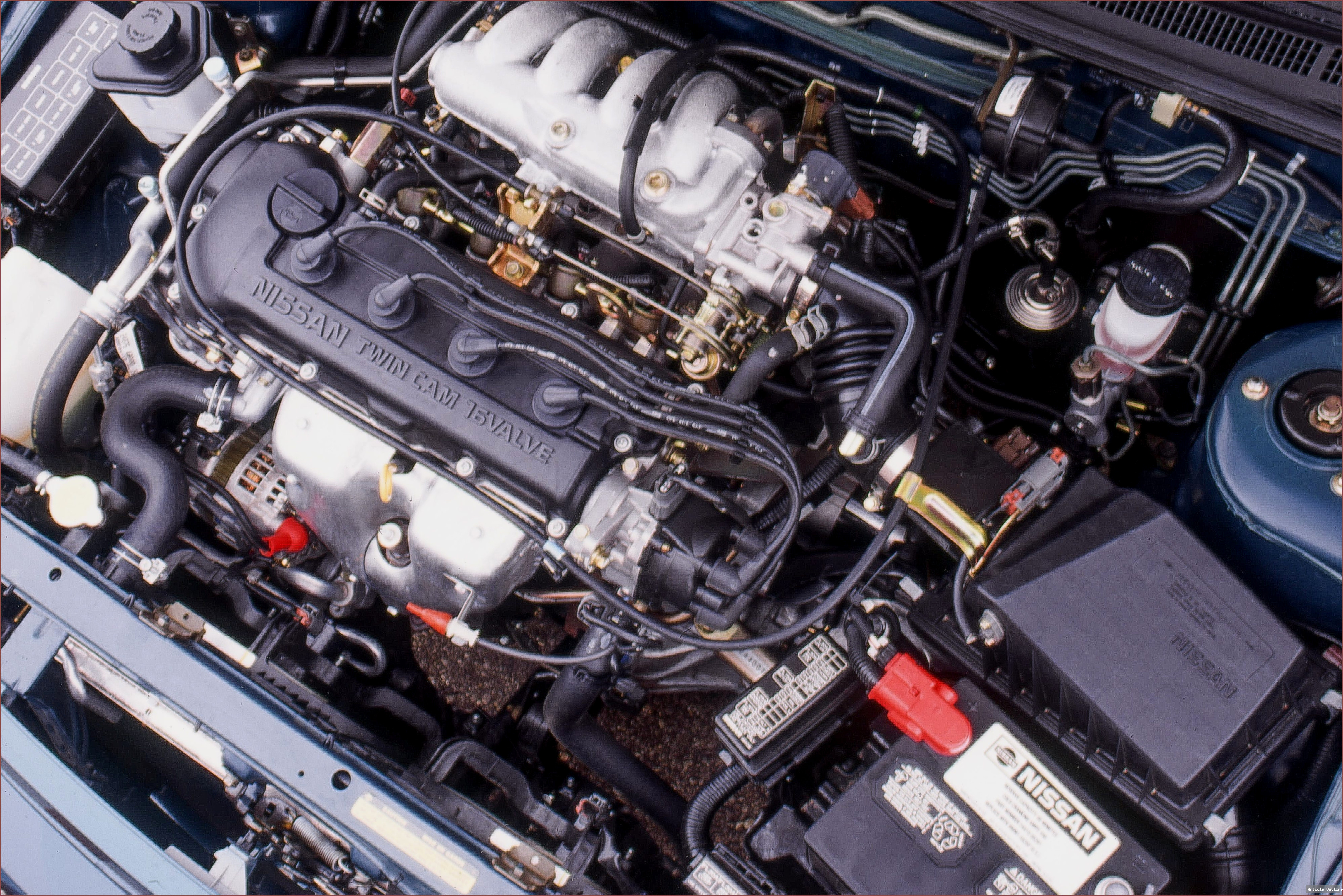
- Performance Boost Without Penalty: The 1.6L DOHC engine offered 115 hp (up 5 hp), with 0-60 mph in 8.5 seconds—over a second quicker than the outgoing model, yet with a city fuel economy of 30 mpg.
- Real Safety Upgrades: Dual airbags became standard, anti-lock brakes were an option, and structural rigidity improved—a rarity in the compact segment at the time.
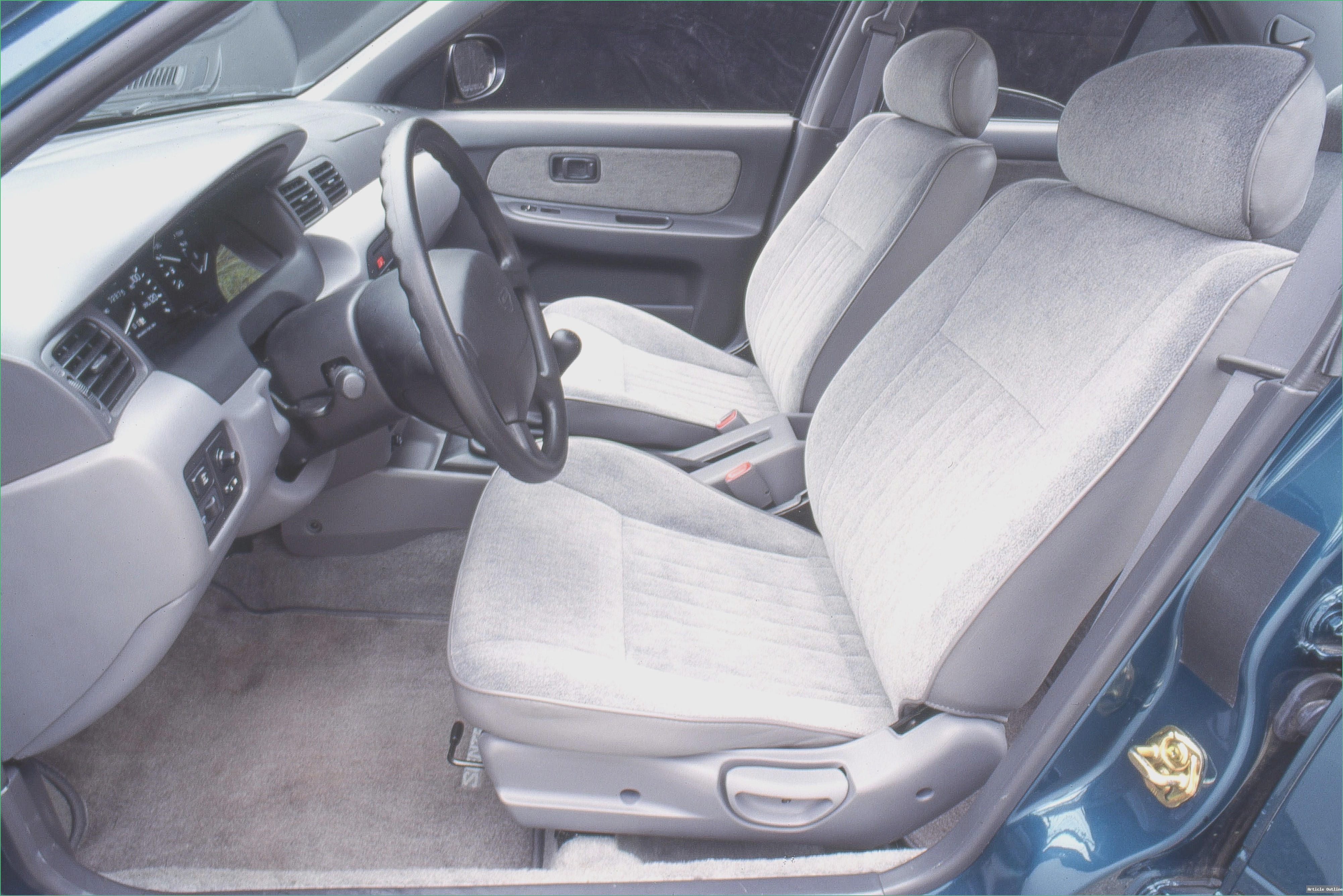
- A Miniature Maxima: The Sentra began to bridge the gap between basic transportation and real comfort, with a cabin that could almost teach BMW a lesson in anti-austerity.
- Trade-Offs: Some veteran Sentra fans lamented the loss of the old car’s nimbleness and sharp steering. The new model was softer and more mature—a deliberate pivot to appeal to the mainstream rather than the enthusiast.
Pros and Cons Analysis
- Pros:
- Roomier interior and better rear-seat comfort
- Improved performance and fuel economy
- Lower base price with more standard features
- Quieter, more refined ride
- Structural improvements and safety upgrades
- Cons:
- Softer handling, less sporty than its predecessor
- Styling still conservative, not a head-turner
- Some features once standard now optional
Industry Context and Comparisons
- The Sentra’s evolution paralleled a segment-wide shift: the Toyota Corolla, Ford Escort, and Dodge Neon were all getting more spacious and refined to target buyers moving up from basic transportation.
- The Sentra’s 0-60 time was competitive, beating the Corolla and Escort and coming close to the sportier Neon.
- High resale values for outgoing enthusiast-friendly Sentras and the old Datsun 510 show that sometimes, what the market buys and what enthusiasts love aren’t always the same thing.
Actionable Insights
- If you prize fun-to-drive over comfort, the previous Sentra or a Dodge Neon might suit you better. But if you want a refined, practical small car that won’t drain your wallet, few in 1995 could beat the Sentra GXE.
- Looking back, the 1995 Sentra GXE set the blueprint for what we expect from modern compacts: big value in a small package.
Timeline: Evolution of the Nissan Sentra (up to 1995)
- 1982: Sentra debuts as Datsun’s answer to compact imports.
- 1991-1994: Sentra gains a sportier edge, especially in SE-R guise, winning over enthusiasts.
- 1995: Sentra GXE arrives—bigger inside, lighter, more refined, and priced to move mainstream.
The Bottom Line
The 1995 Nissan Sentra GXE quietly rewrote the rules for small sedans. Not by shouting for attention, but by delivering more of what really matters: space, comfort, efficiency, and value. In hindsight, it wasn’t just a new Sentra—it was the start of a new era for affordable cars.

Sources: