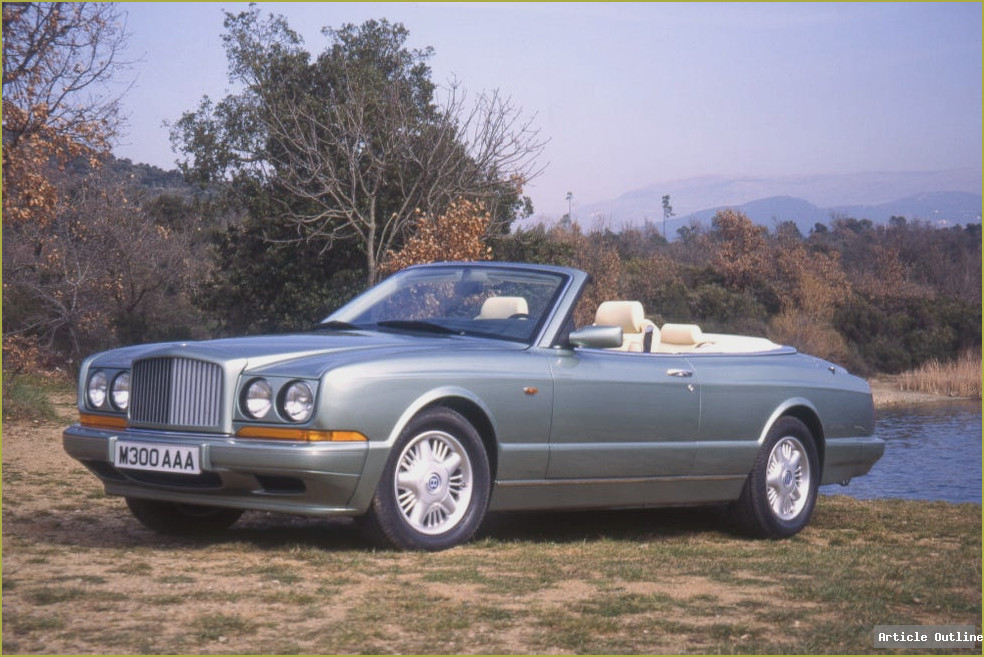
The 1996 Bentley Azure isn’t just a classic convertible—it’s a rolling symbol of an era where opulence, exclusivity, and engineering bravado merged into something almost mythic. With a sticker price that made even well-heeled buyers blink, the Azure wasn’t built to compete; it was built to stand alone. But why does this car still matter, nearly three decades later?
Why This Matters
- Ultra-high-end convertibles like the Azure shaped the definition of automotive luxury in the 1990s. Its $347,645 price (over $700,000 today, adjusted for inflation) put it in a league of its own. This wasn’t merely transportation—it was a rolling declaration of status, taste, and financial power.
- Benchmark for craftsmanship and exclusivity: The Azure marked the end of an era before mass-produced luxury and tech-focused interiors. Every car was hand-built, with Pininfarina assembling and finishing bodies in Italy, then shipping them to England for final assembly. Compare this to today’s luxury convertibles, which—while opulent—often lack such artisanal depth.
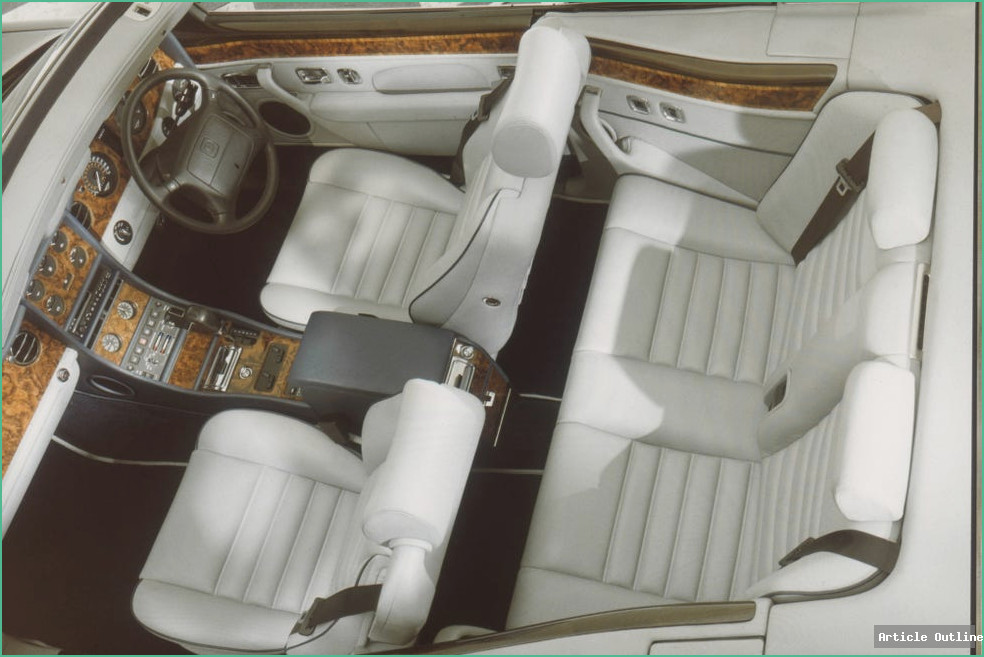
- Emphasized ‘experience over speed’. Unlike Ferraris or Porsches, the Azure wasn’t about lap times. It was about being seen, soaking in the Côte d’Azur breeze, and enjoying the finest wood, leather, and lambswool available in a car. The fact that 40% of Bentley and Rolls-Royce owners also owned yachts puts the Azure’s true competition in perspective: it was the car for those who already had everything else.
What Most People Miss
- The sheer engineering challenge: Turning the heavy, coupe-based Continental R into a convertible without sacrificing structural rigidity wasn’t easy. Rolls-Royce engineers boosted torsional rigidity by 25% over the outgoing Corniche, a big leap for such a massive, open-top car.
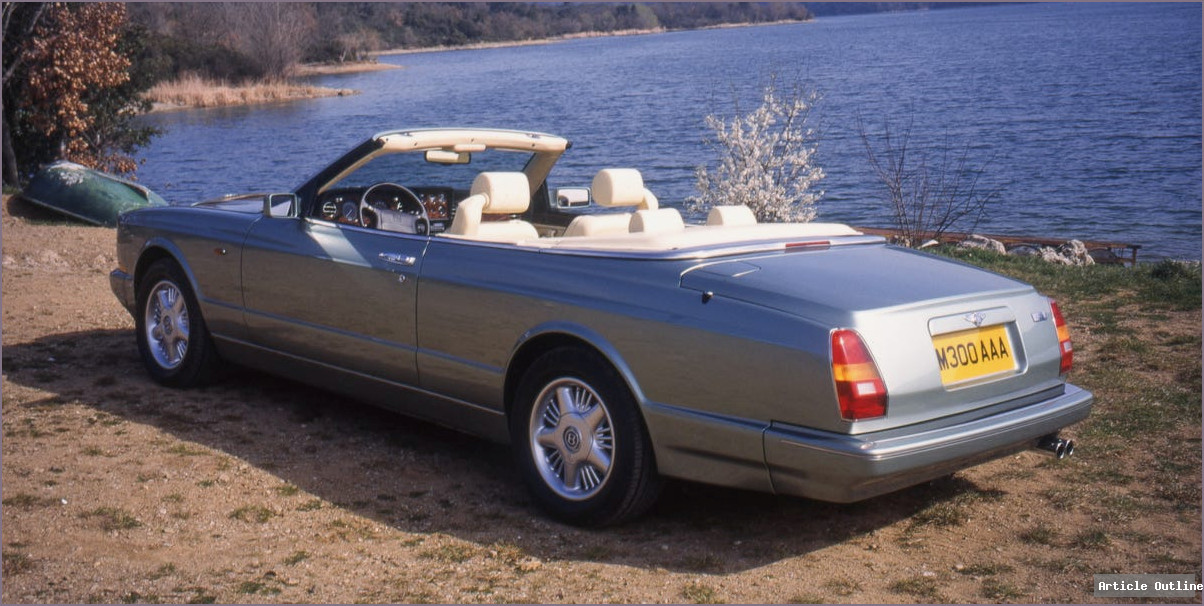
- The Italian connection: Pininfarina’s involvement wasn’t just a style flourish. The Italian coachbuilder engineered the Azure’s roof mechanism, which was both innovative (fully automatic, hidden away under metal) and, in early versions, a bit temperamental. (The test car’s roof famously got stuck—a reminder that even ultra-luxury tech can have teething pains.)
- Bentley’s subtle performance edge: The Azure’s turbocharged 6.7-liter V8 made 385 horsepower—modest by today’s numbers, but enough to launch the 5,750-pound car to 60 mph in just over six seconds. This was grand touring at its most decadent, not rocket science—but it was “adequate” in that understated British way.
Key Takeaways
- The Azure was never about competition. As Bentley’s marketing director put it: “The alternative is a plane or a boat.” When your only rivals are private jets and yachts, you know you’re in a class of your own.
- It set new standards for comfort and craftsmanship: The interior—replete with wood paneling, fine leather, and lambswool mats—was unmatched. Even today, few cars can rival the tactile luxury of these Bentleys.
- The Azure’s legacy endures: Modern Bentleys like the Continental GTC trace their DNA back to the Azure, but the hand-built, bespoke nature of the 1996 car remains unmatched in today’s world of digitally-configured luxury.
Specs Snapshot
- Engine: Turbocharged 6.7L V8, 385 hp, 550 lb-ft torque
- Transmission: 4-speed automatic
- 0-60 mph: 6.3 seconds (factory rated)
- Top speed: 150 mph (electronically limited)
- Curb weight: 5,750 lbs
- Price (1996): $347,645
Pros and Cons Analysis
- Pros: Unmatched exclusivity, sublime comfort, storied craftsmanship, unique Pininfarina design.
- Cons: Eye-watering price, reliability quirks (especially with early roof mechanisms), and—let’s face it—fuel economy best described as “optimistically irrelevant.”
The Bottom Line
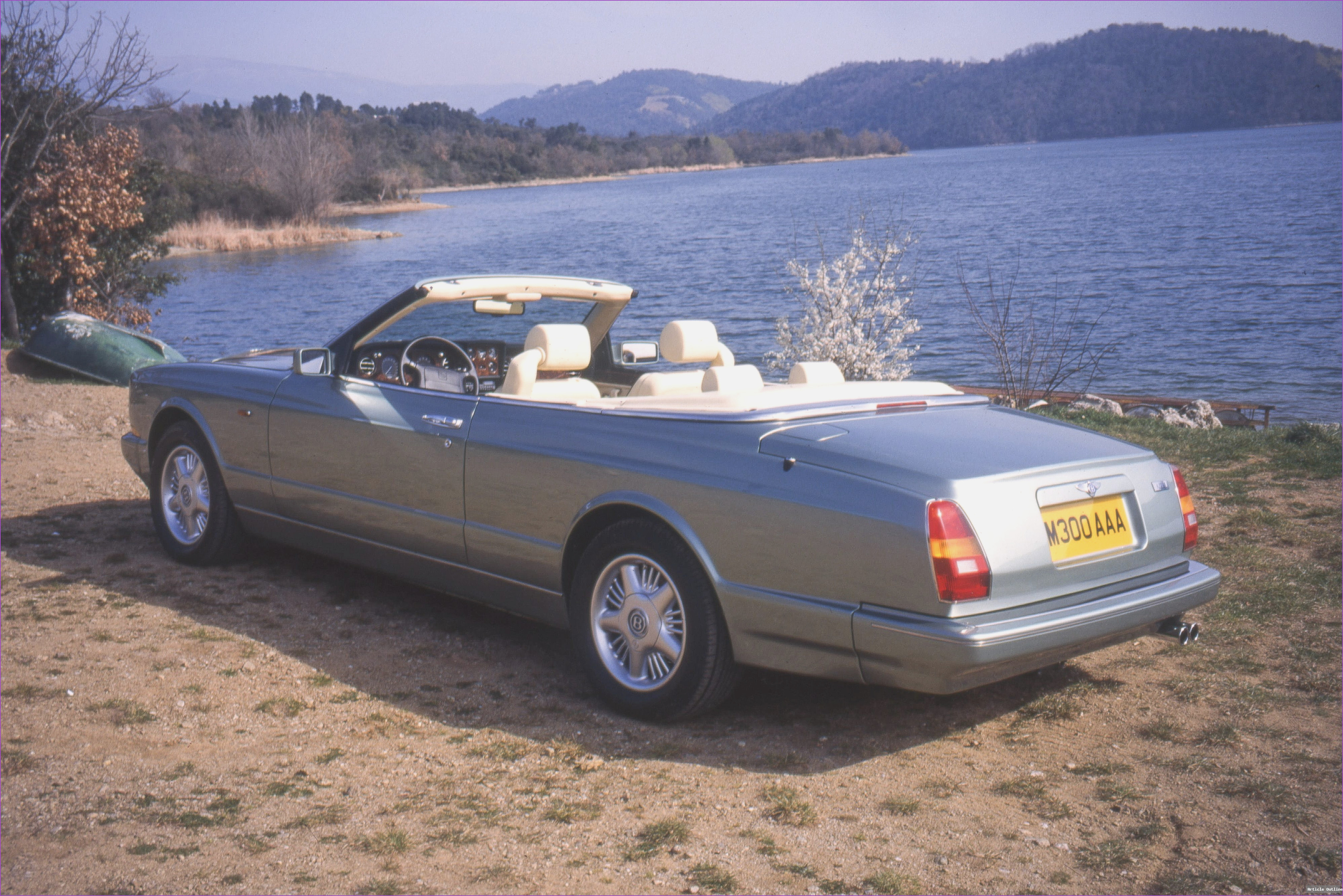
The 1996 Bentley Azure is more than a car: it’s a time capsule from an age when luxury meant bespoke engineering, Italian artistry, and British bravado. It wasn’t just expensive; it was aspirational, a testament to what cars could be when price was no object and comfort was king. If you want to understand true automotive excess—and why it still captivates collectors today—look no further than the Azure.
Sources: