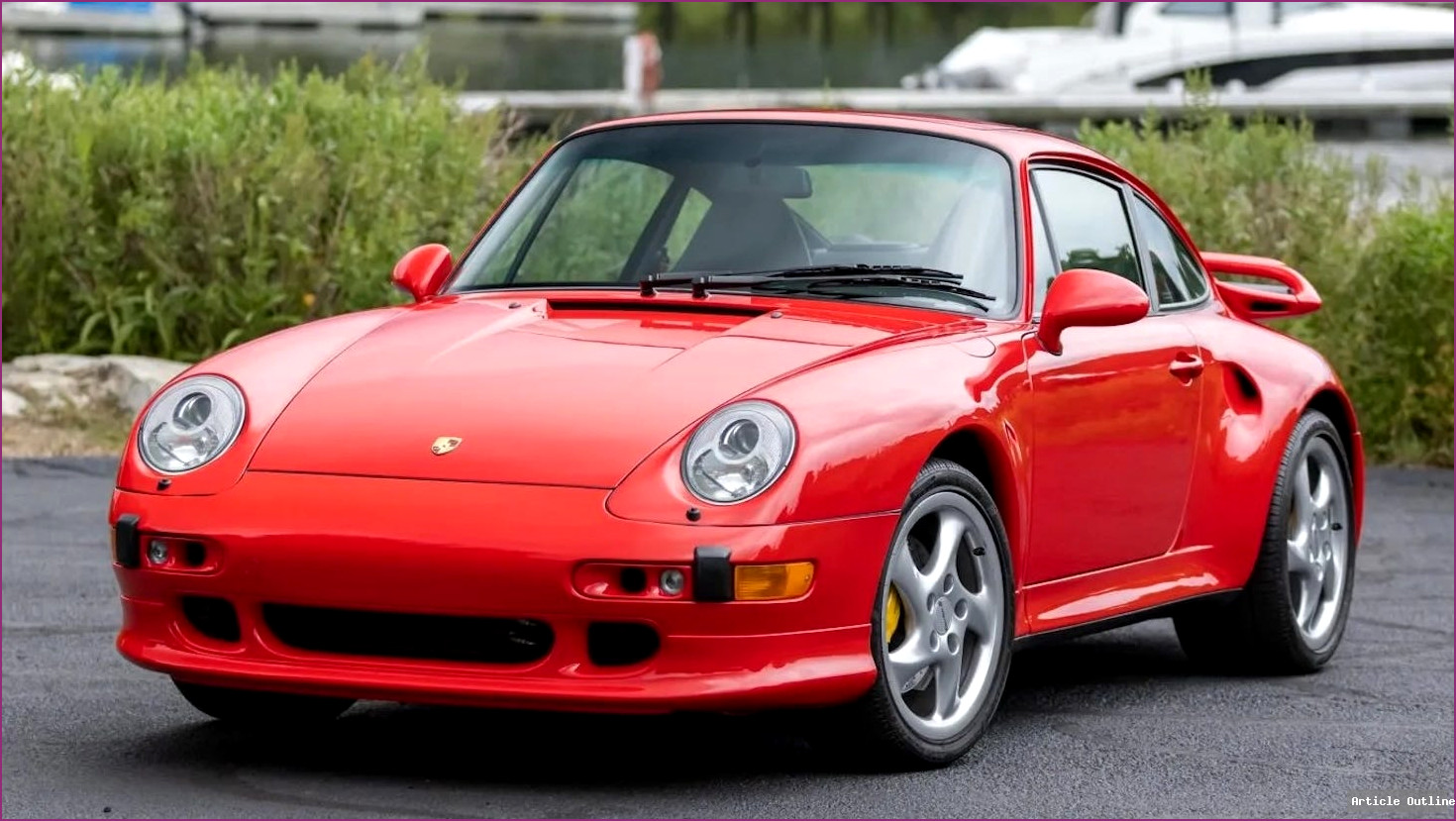
The 1997 Porsche 911 Turbo S isn’t just a collector’s dream—it’s the ultimate expression of Porsche’s air-cooled legacy, and its rare appearance at auction is causing a frenzy among enthusiasts and investors alike. While this particular Guards Red Turbo S may not have belonged to Michael Jordan himself, its near-identical spec to the NBA legend’s ride makes it a cultural artifact as much as a mechanical masterpiece.
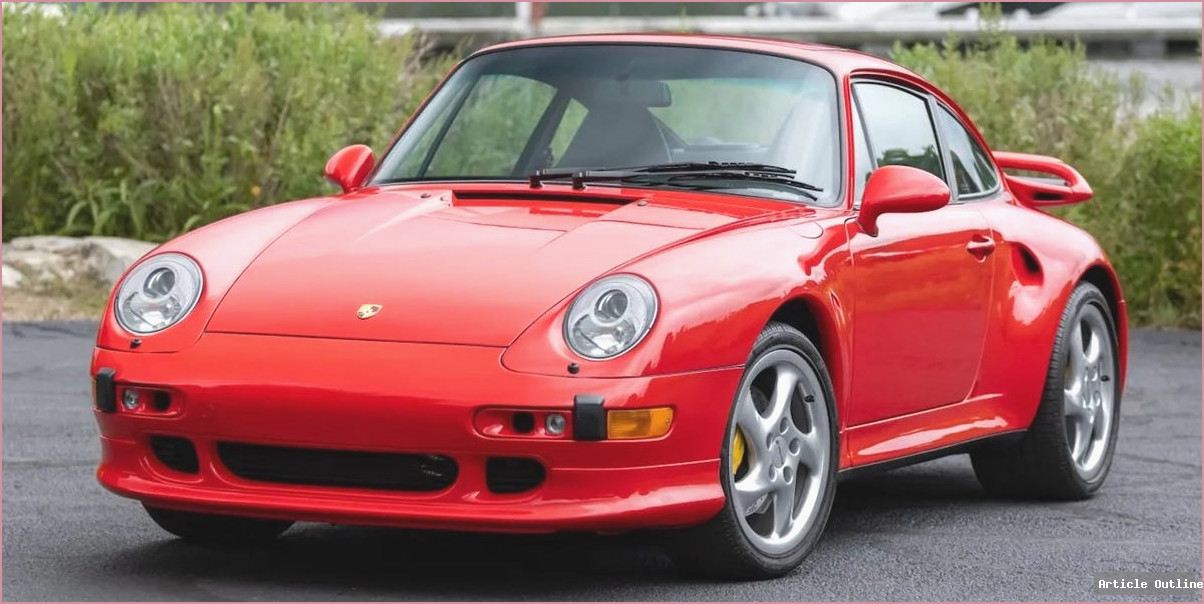
Let’s dig deeper into why this car matters, what most people overlook, and what the future holds for icons like this on the collector market.
Why This Matters
- End of an Era: The 993-generation Turbo S was the swan song for air-cooled Porsche 911s, a lineage that defined the brand for decades. After 1998, Porsche went water-cooled, leaving purists nostalgic for the raw, analog driving experience only these cars provide.
- Ultra-Rare Investment: With only 176 U.S.-spec Turbo S models produced, this isn’t just a car—it’s a blue-chip investment. At $650,000 (and rising), this 911 commands more than double the price of a brand-new 911 Turbo S, reflecting not just rarity but the emotional pull of its heritage.
- Celebrity Connection: Anything even remotely associated with Michael Jordan is bound to attract attention and speculative money. This near-twin to his personal Turbo S has an extra layer of pop culture cachet, pulling in collectors who might not otherwise chase Porsches.
What Most People Miss
- The Real Performance Leap: The Turbo S wasn’t just a cosmetic upgrade. It featured larger turbos, revised engine management, and 424 horsepower—all through a six-speed manual and all-wheel drive. For its era, those specs put it on par with supercars, yet it retained day-to-day usability.
- Maintenance and Provenance Matter: This specific example boasts a recent overhaul and full Porsche authentication. For cars of this caliber, paperwork and maintenance history can mean the difference between a sound investment and an expensive headache.
- Collector Market Dynamics: The surge in air-cooled 911 values isn’t just hype. According to Hagerty’s Price Guide, top-tier 993 Turbo S models have appreciated by over 100% in the past decade. This isn’t just nostalgia—it’s a calculated bet on scarcity and cultural relevance.
Key Takeaways
- Scarcity Is King: With fewer than 200 ever sold in the U.S., the 993 Turbo S is a legitimate unicorn for collectors.
- Performance Meets Practicality: Unlike many supercars, the Turbo S offers comfort, all-weather capability, and genuine reliability—making it a true grand tourer and not just a garage queen.
- Cultural Capital: The Michael Jordan connection, even if indirect, adds an extra layer of desirability. As we’ve seen in recent auctions (think Paul Walker’s Supra or Steve McQueen’s Mustang), provenance can multiply final bids.
Timeline of the 993 Turbo S
- 1995-1998: 993 generation produced—last air-cooled 911s.
- 1997: Turbo S variant introduced, with just 176 U.S. examples built.
- 2020-2024: Air-cooled Porsche values surge, with Turbo S models regularly breaking auction records.
Pros & Cons Analysis
- Pros:
- Iconic design, last of the air-cooled era
- Massive performance with classic analog feel
- Increasingly valuable as an investment
- Cons:
- Sky-high entry price—out of reach for most enthusiasts
- Older technology and maintenance can be complex
- Some view modern 911s as better daily drivers
The Bottom Line
The 1997 Porsche 911 Turbo S is more than just a car—it’s the ultimate time capsule from Porsche’s golden age and a rolling testament to what makes analog sports cars so cherished. If the current auction frenzy is any indication, its legend (and value) will only continue to grow. Whether you’re an investor, a die-hard Porschephile, or simply love a good Michael Jordan story, this Turbo S is a slam dunk in every sense.