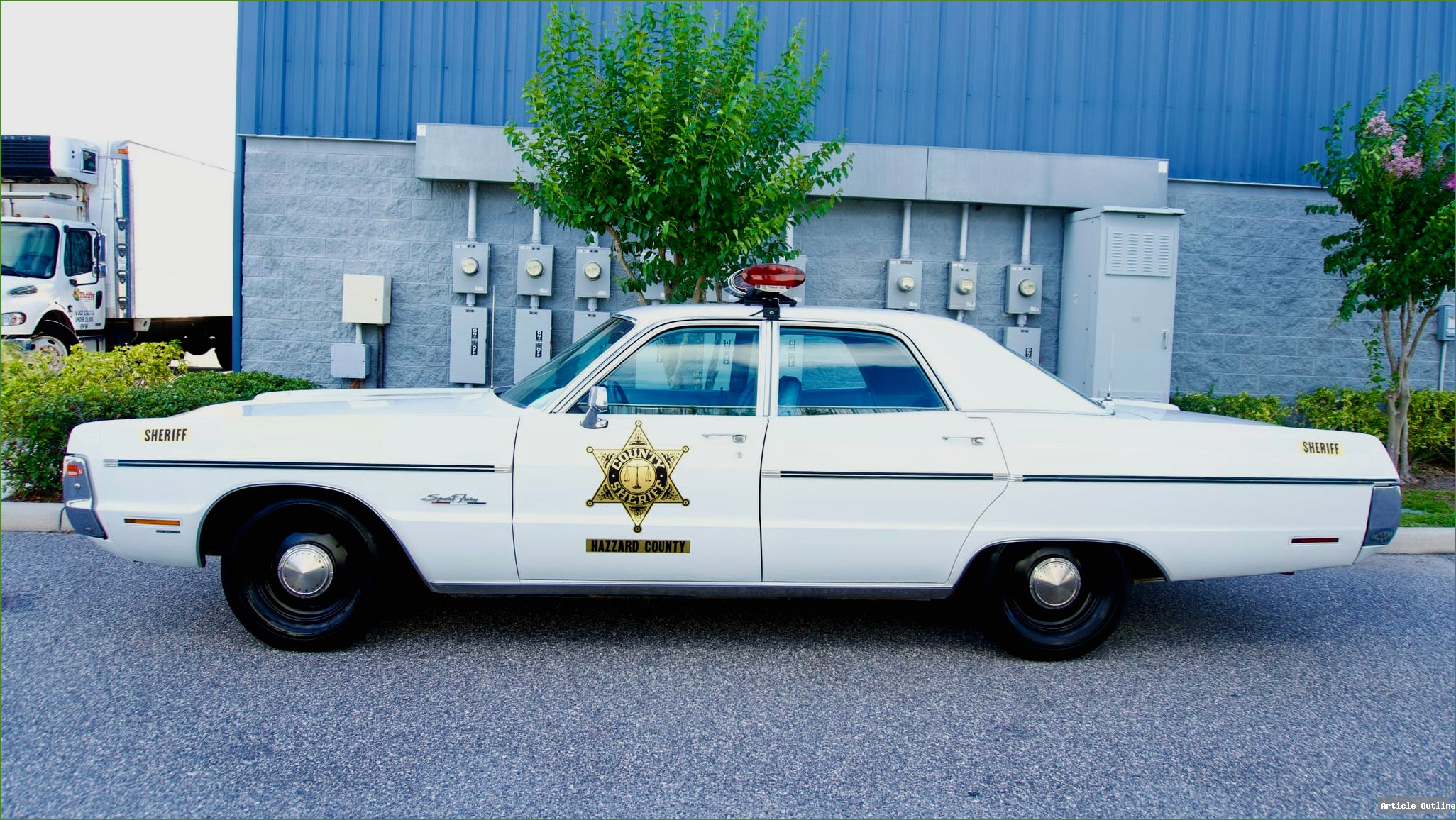
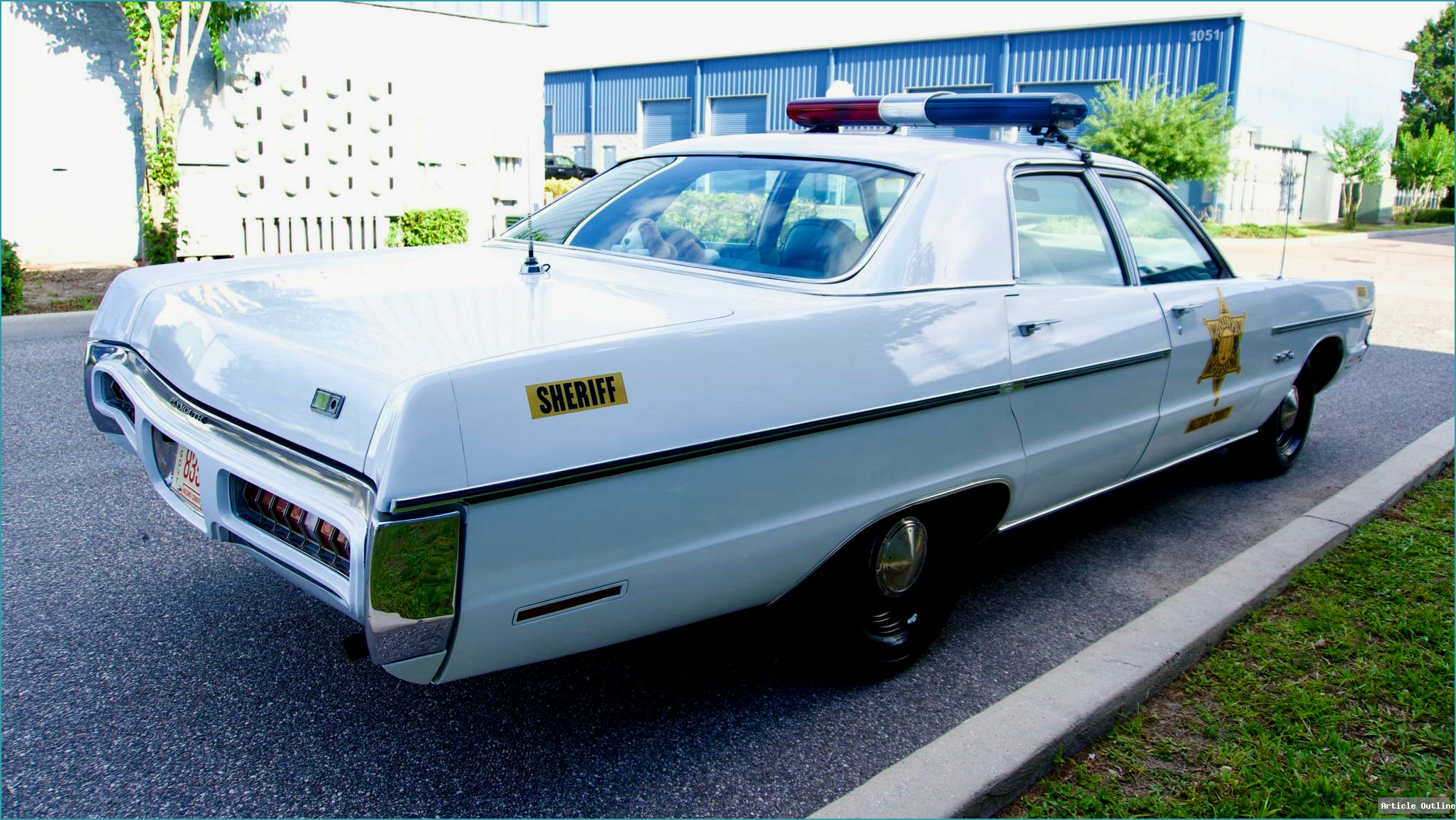
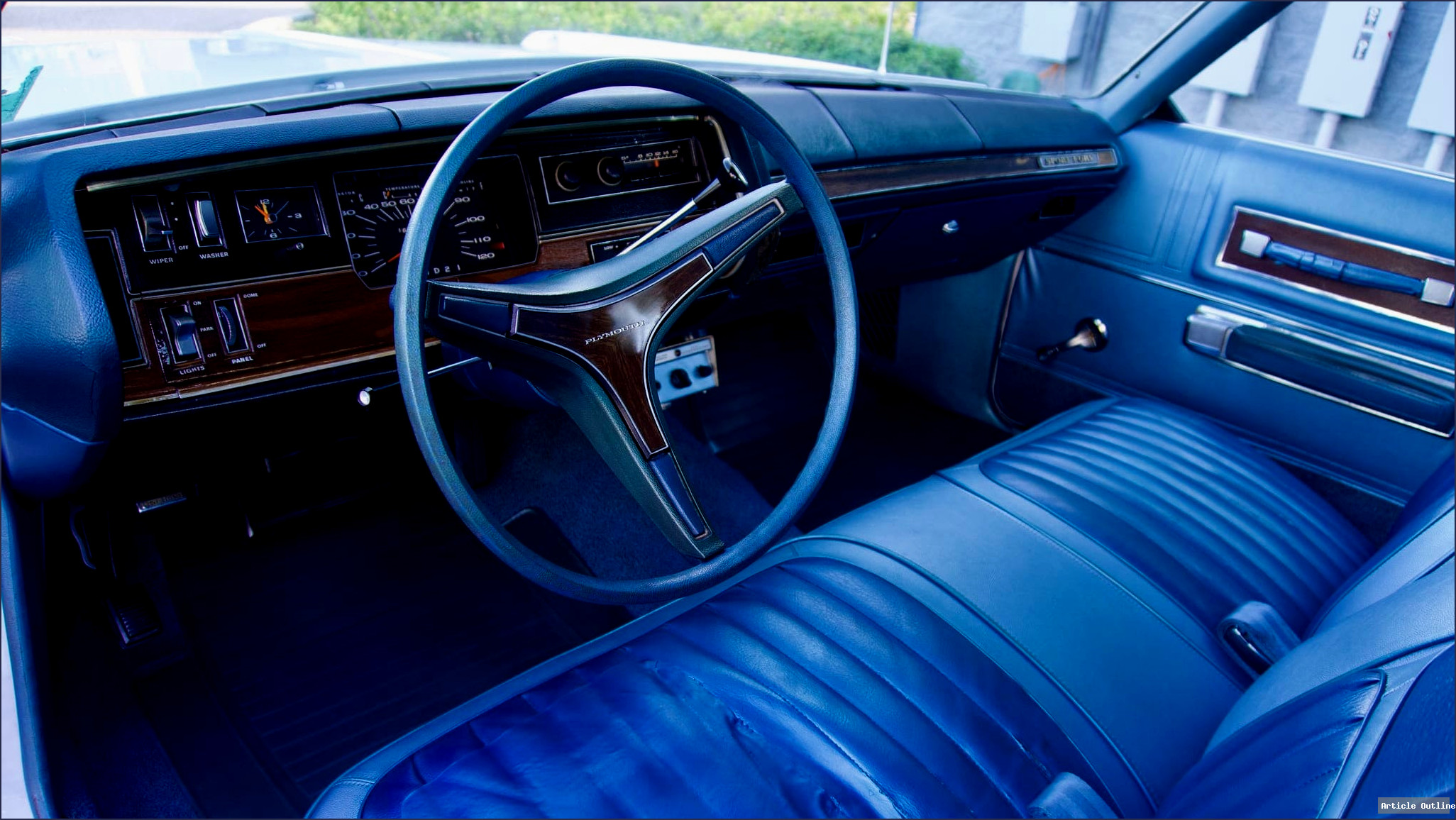
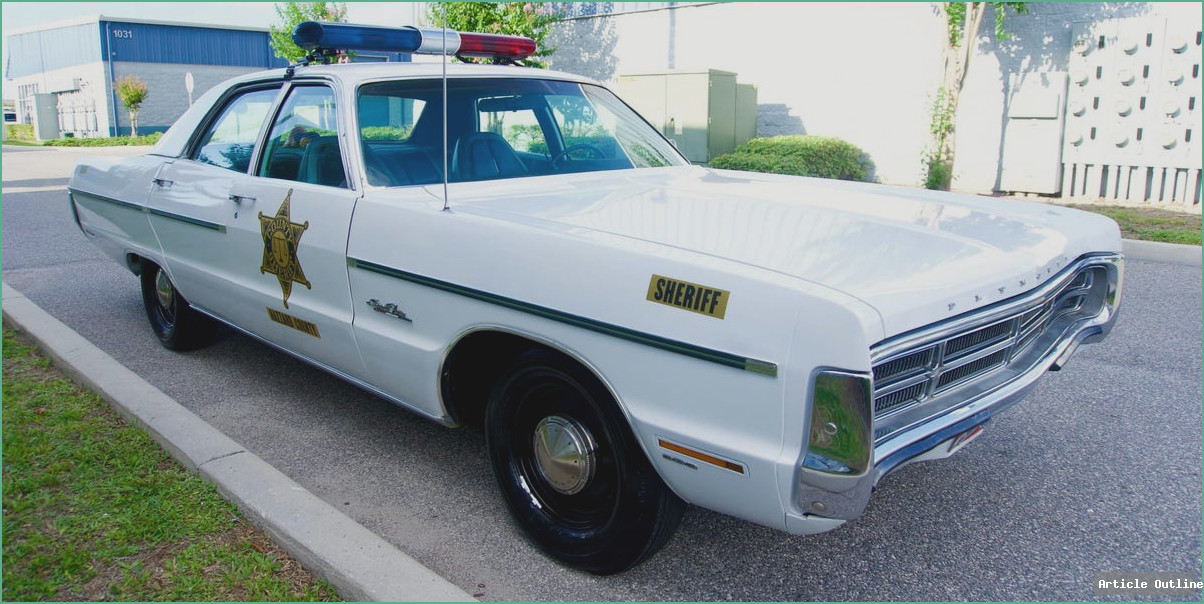
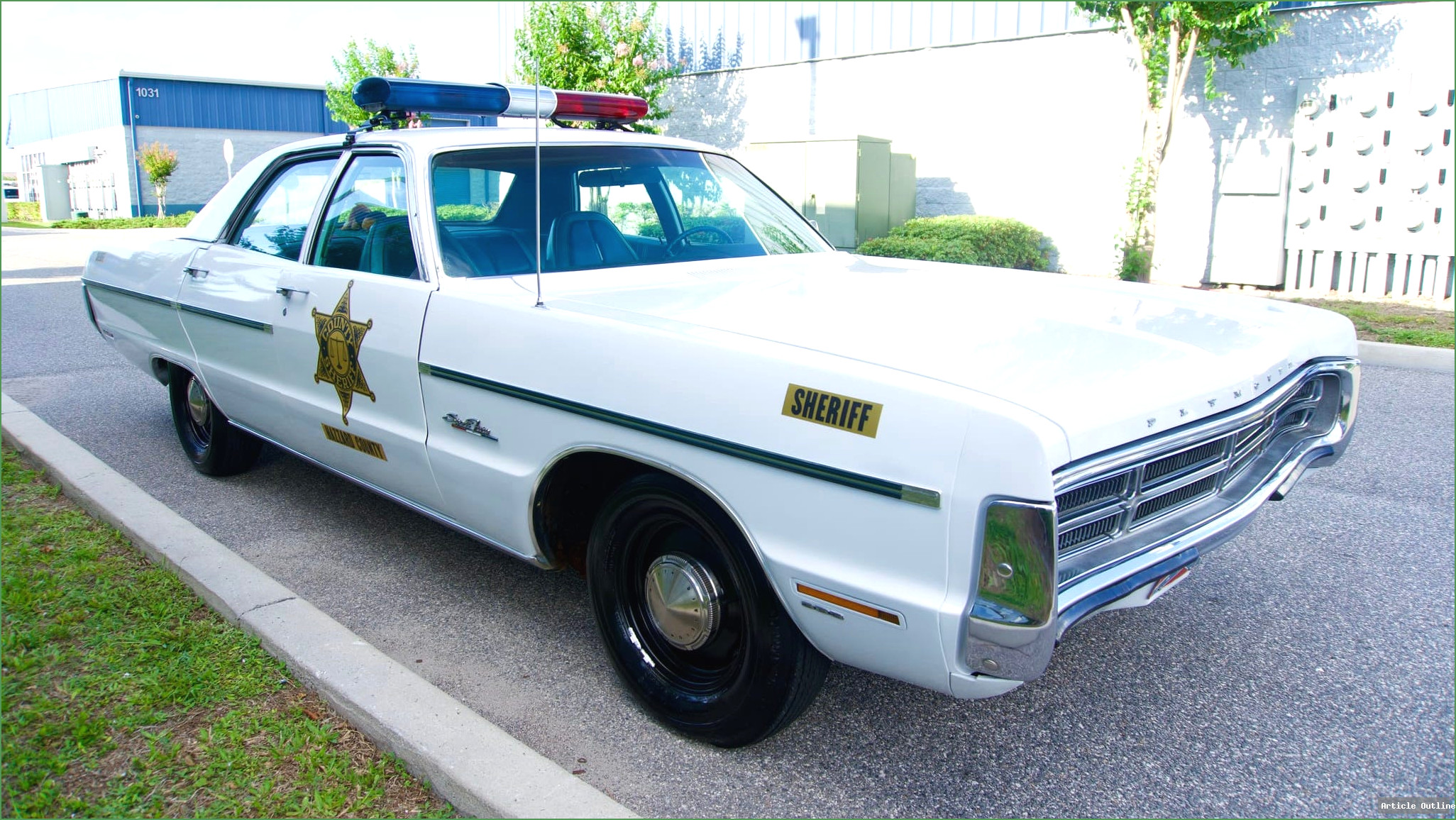
When a 1971 Plymouth Sport Fury done up as a Hazzard County police car surfaces on Bring a Trailer, it’s more than a quirky collector item—it’s a rolling time machine that embodies a unique slice of American pop culture. But why does this tribute cop car matter in 2024, and what makes it more than just a TV show prop replica?
Why This Matters
- TV Cars as Cultural Icons: The Dukes of Hazzard patrol cars weren’t just background extras—they were part of the show’s DNA, representing the eternal chase between rebellious youth and bumbling authority. This Plymouth Fury, meticulously recreated, taps into that nostalgia but also comments on how media shapes our love affair with cars.
- Preservation of Automotive History: With the original stunt cars mostly wrecked or lost, tributes like this are essential for keeping automotive TV history alive. It’s not just about the car—it’s about preserving a lost era of wild, practical effects and real metal.
- A Shift in Collector Tastes: The market for TV and movie tribute cars is booming, showing that emotional connection can outweigh rarity or performance in collector circles.
What Most People Miss
- Not Actually a Police Car: This Sport Fury started life as a civilian sedan. Its transformation is a testament to the dedication of fans—crucial, since most surviving police-spec Mopars were destroyed on set.
- Attention to Detail: The inclusion of a “Cooter’s Garage” service sticker isn’t just cute—it’s a deep-cut reference that shows how these tributes aim for authenticity, not just surface-level cosplay.
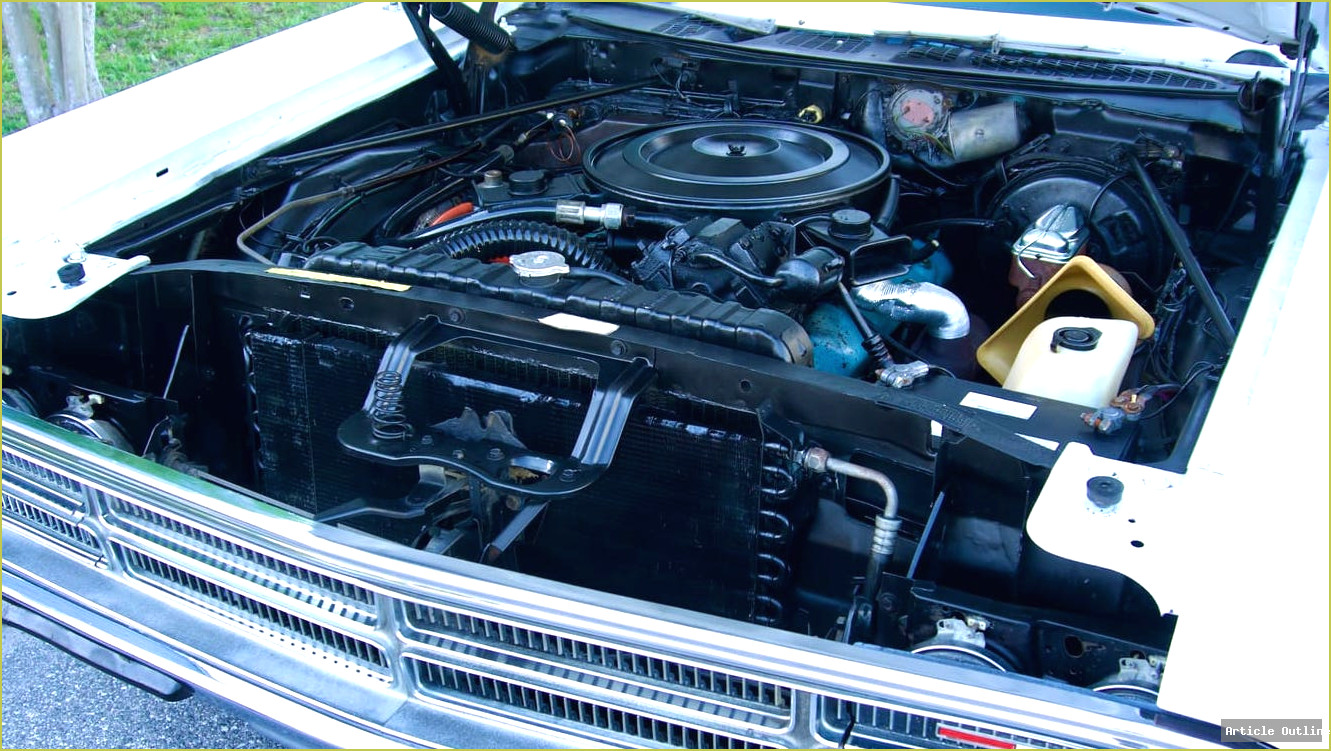
- Under the Hood: Packing a 300-hp, 383 V-8 with a four-barrel carb and three-speed auto, this Fury would have actually given the on-screen General Lee a run for its money—if Roscoe P. Coltrane had been a better driver!
Key Takeaways
- Emotional Value Drives the Market: Cars like this are proof that narrative and nostalgia can trump horsepower or originality.
- Tribute Cars Are Gaining Legitimacy: Once shrugged off as “fakes,” well-done tribute builds now command respect and strong auction prices.
- Automotive Fandom Is Evolving: We’re seeing a shift from pure restoration to experiential ownership—people want to relive scenes, not just store history.
Industry Context & Comparisons
- The market for screen-accurate tribute cars has surged, with Bring a Trailer and similar platforms regularly featuring “movie star” cars that fetch 20-50% premiums over standard models.
- Compared to the modern Dodge Charger PPV, the Fury is a behemoth of steel—an analog artifact in a digital world, and a living rebuke to the computerized, sanitized police cruisers of today.
- Only a handful of genuine Dukes of Hazzard vehicles survive, making tributes like this the next best thing for fans and collectors.
Pros and Cons of Owning a TV Tribute Cop Car
- Pros:
- Instant conversation starter at car shows
- Deep emotional and nostalgia value
- Potential for appreciation as pop culture collectibles rise in value
- Cons:
- May not be street-legal in all areas (due to police markings/lights)
- Maintenance and insurance can be tricky
- Very niche appeal if you ever want to sell
Timeline: From TV Star to Auction Block
- 1979-1985: Dukes of Hazzard airs, dozens of Mopar cop cars sacrificed for stunts.
- Post-show: Surviving cars vanish or are scrapped; fans begin building tributes.
- 2024: This Sport Fury, rescued from obscurity, is reborn as a Hazzard County cruiser and hits Bring a Trailer, bringing smiles and nostalgia to a new generation.
The Bottom Line
This Dukes of Hazzard Plymouth Fury tribute isn’t just a car—it’s a rolling love letter to a wilder, more creative era in both television and automotive history. Whether you grew up watching the General Lee or just appreciate the craftsmanship involved, this auction is a chance to own a tangible piece of Americana. Just don’t try to jump any bridges—leave the stunts to Hollywood.
Sources: