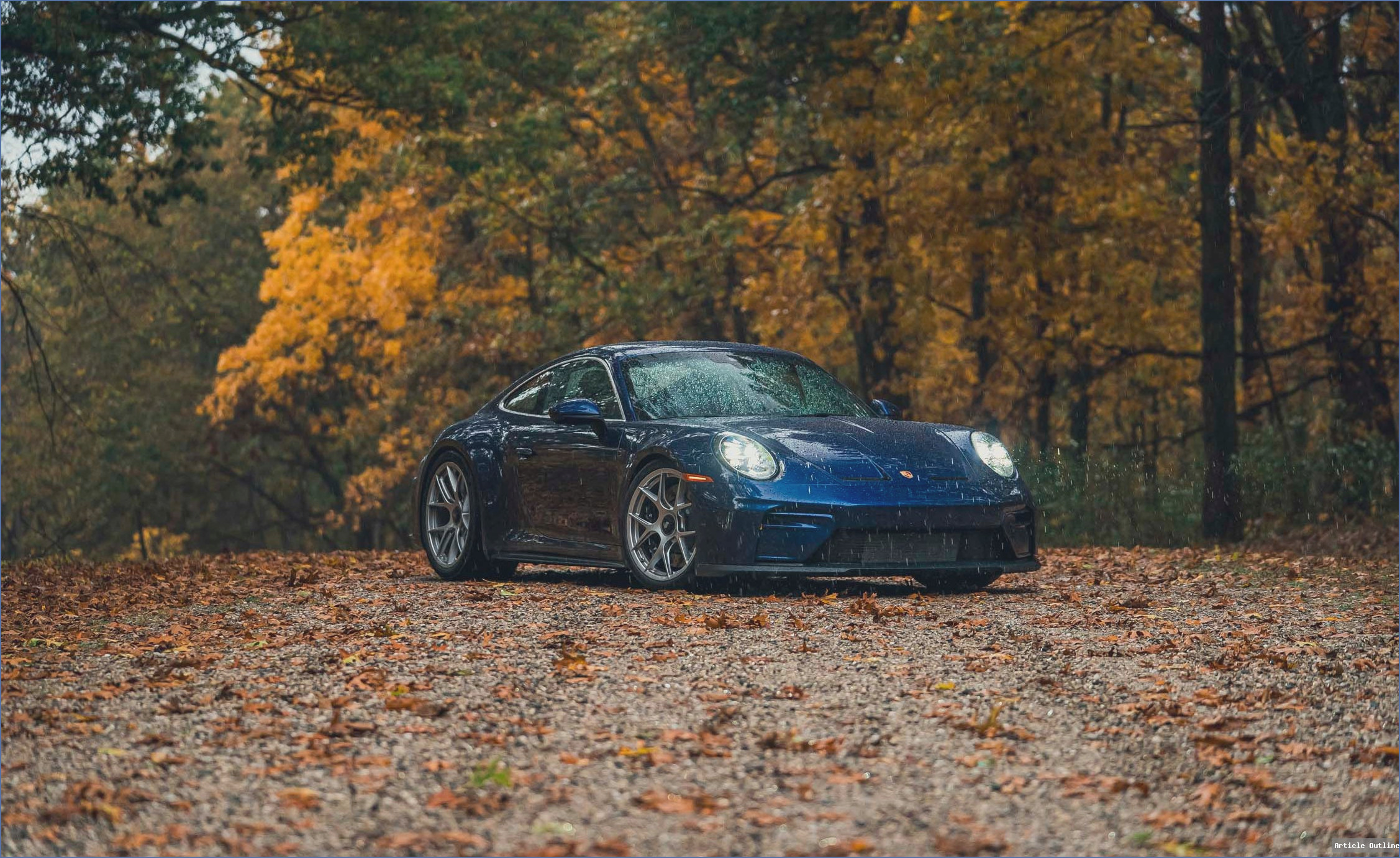
The Porsche 911 is more than a car—it’s an icon. So when CEO Michael Leiters recently stated the company will not make a fully electric 911, the auto industry took notice. In an era where electrification is sweeping through luxury and performance brands, Porsche’s decision stands out as both bold and strategic.
Why This Matters
- The 911 is the soul of Porsche – Its heritage, character, and loyal following make it a cultural touchstone.
- Electrification is not a one-size-fits-all solution – Porsche’s move highlights that some automotive traditions resist change for good reason.
- Signals a nuanced approach to the EV revolution – Porsche blends innovation (hybrid tech) with preservation (keeping the 911 gas-powered).
What Most People Miss
- While the headline is “No EV 911,” Porsche is electrifying: the 2025 911 GTS now features the T-Hybrid system, which adds electric assist to the legendary flat-six.
- The company’s EV ambitions are alive elsewhere: the next-gen 718 Cayman was initially planned as electric-only, and Porsche’s Macan and Cayenne SUVs continue to see electrification.
- This isn’t a rejection of EVs—it’s an affirmation of what makes the 911 unique. The visceral driving feel, weight balance, and character of the 911 are notoriously hard to replicate with current battery tech.
- Hybridization offers a bridge between tradition and innovation—delivering performance gains (0-60 mph in 2.0 seconds for the new Turbo S!) while keeping the 911’s soul intact.
Key Takeaways
- Porsche is not anti-EV: The company leads with the Taycan and is electrifying more of its lineup. The 911, however, is being protected as a brand-defining product.
- The market speaks: In 2023, Porsche sold a combined 47,453 Macan and Cayenne SUVs versus 13,574 911s. Yet the 911 remains the brand’s centerpiece in terms of identity and halo effect.
- Performance purists win (for now): The latest hybridized 911 Turbo S is the quickest gas car they’ve ever tested—proving electrification can enhance, not just replace, combustion performance.
Industry Context & Comparisons
- Ferrari and Lamborghini are also slow to go full EV with their most iconic models, favoring hybrid or plug-in hybrid performance.
- EV sports cars (like the Rimac Nevera) offer astonishing numbers, but heavy batteries can blunt the handling so cherished by 911 enthusiasts.
- Regulatory pressures may eventually force Porsche’s hand, but for now, the 911’s hybrid path looks like a masterclass in balancing evolution and heritage.
Pros & Cons of Porsche’s Position
- Pros:
- Keeps loyal 911 fanbase happy
- Maintains brand heritage and driving feel
- Buys time for battery tech to improve
- Allows Porsche to experiment with hybrids
- Cons:
- Risks regulatory headwinds in key markets
- Could make Porsche seem less progressive
- Competitors may leapfrog with compelling EV sports cars
The Bottom Line
Porsche’s refusal to electrify the 911 isn’t about resisting change—it’s about respecting legacy and engineering reality. As battery tech evolves, the 911’s future may eventually change. For now, this decision is a reminder that not every icon needs to plug in just yet. The purist’s 911 lives on, at least for another generation, and hybrid tech is showing that electrification can be an ally, not an enemy, to performance enthusiasts.
Sources:
- Car and Driver
- Reuters: Porsche won’t produce fully electric 911
- Electric Porsche 718 Cayman spy photos
- 2025 Porsche 911 GTS T-Hybrid engine details
- 2026 Porsche 911 Turbo S quick test