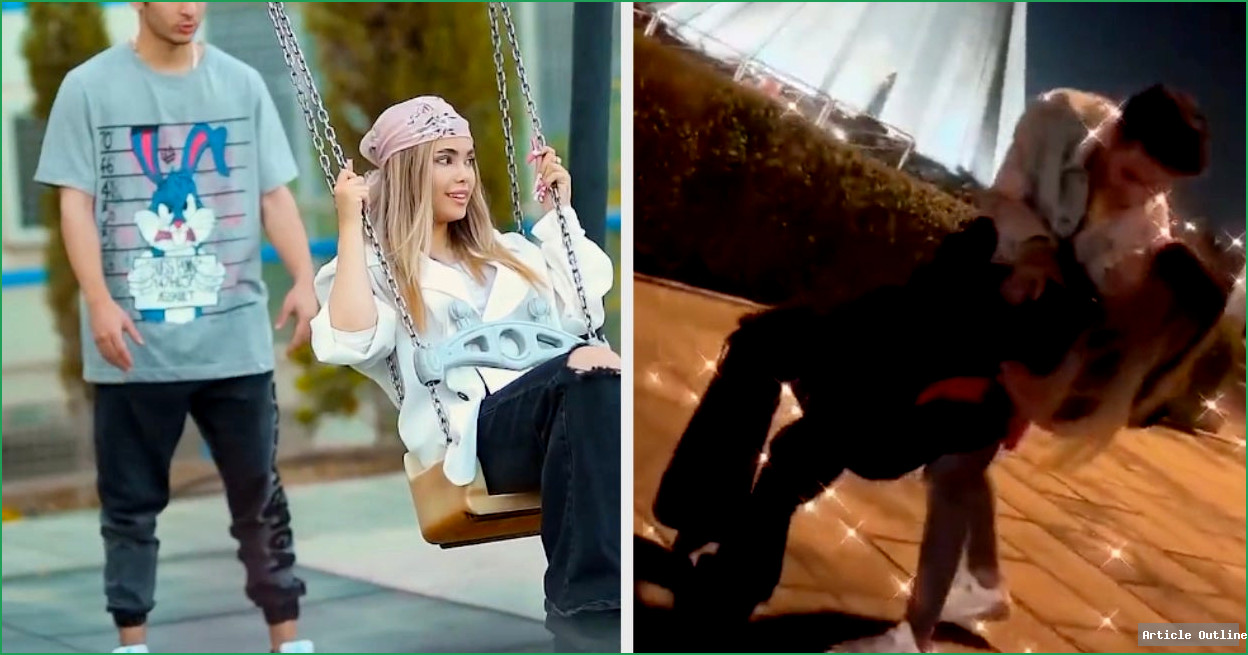
When Astiazh Haghighi and Amir Mohammad Ahmadi—two prominent Iranian influencers—were reportedly sentenced to over 10 years each in prison after sharing a dance video online, the world took notice. But this story isn’t just about a viral video or conflicting media reports. It’s a window into the escalating struggle between personal expression and state control in Iran—and a signal to the globe about the future of digital activism.
Why This Matters
- Freedom of expression is under siege in Iran. The couple’s case highlights the growing risks for social media users who challenge state narratives or simply express themselves in nonconformist ways.
- Social media is now a battleground—not just for ideas, but for personal safety and freedom. With nearly a million followers each, Haghighi and Ahmadi’s influence made them targets.
- This isn’t just an Iranian issue. The international community is watching how countries respond to digital dissent, setting precedents for free speech globally.
What Most People Miss
- The real charges go beyond dancing. Iranian state media claims the couple was sentenced for allegedly inciting protests, not just for posting a dance video. This distinction matters, as it reframes the narrative from “morality violation” to “national security threat.”
- Crackdown follows a broader pattern. Since the tragic death of Mahsa Amini in police custody for improper hijab, public figures—actors, chefs, and now influencers—have faced arrest for supporting protests or even offering messages of hope.
- There’s disagreement on the sentence length: While some outlets report 10+ years, state media claims it’s five. Either way, the core issue remains: online expression can lead to years behind bars.
Key Takeaways
- Social media is not a safe haven in authoritarian regimes—online activism carries real-world risks.
- International pressure matters. Past high-profile cases have seen reduced sentences or early releases after global outcry. Coverage and attention can make a difference.
- This is part of a generational shift. Iran’s youth, empowered by digital platforms, are increasingly pushing back against restrictions. The state’s harsh response is a sign of its anxiety about losing control of the narrative.
Context: Iran’s Crackdown on Dissent
- Since September 2022, after Mahsa Amini’s death, Iran has witnessed a surge in protests, with hundreds of casualties and thousands arrested (according to human rights groups).
- Artists, celebrities, and influencers face bans, jail time, and social media blackouts for aligning with protest movements.
- Despite official denials, the sentencing of digital creators sends a chilling message to others: the digital public square is being policed harder than ever.
Timeline: Key Events
- September 2022: Mahsa Amini dies in custody; nationwide protests erupt.
- Late 2022: Haghighi and Ahmadi post their dance video and supportive messages.
- Early 2023: Reports emerge of the couple’s arrest and multi-year sentences.
Pros and Cons: The Power and Peril of Influencer Activism in Iran
- Pros: Raises awareness, inspires solidarity, gives a voice to the voiceless.
- Cons: Puts individuals at enormous personal risk, may provoke harsher crackdowns, and can lead to digital erasure (bans, censorship, jail).
The Bottom Line
The sentencing of Astiazh Haghighi and Amir Mohammad Ahmadi is more than a local story—it’s a warning shot to influencers everywhere. As the line between online and offline activism blurs, the risks escalate. But so does the potential for global solidarity and change. The world is watching—and the stakes have never been higher for digital freedom.