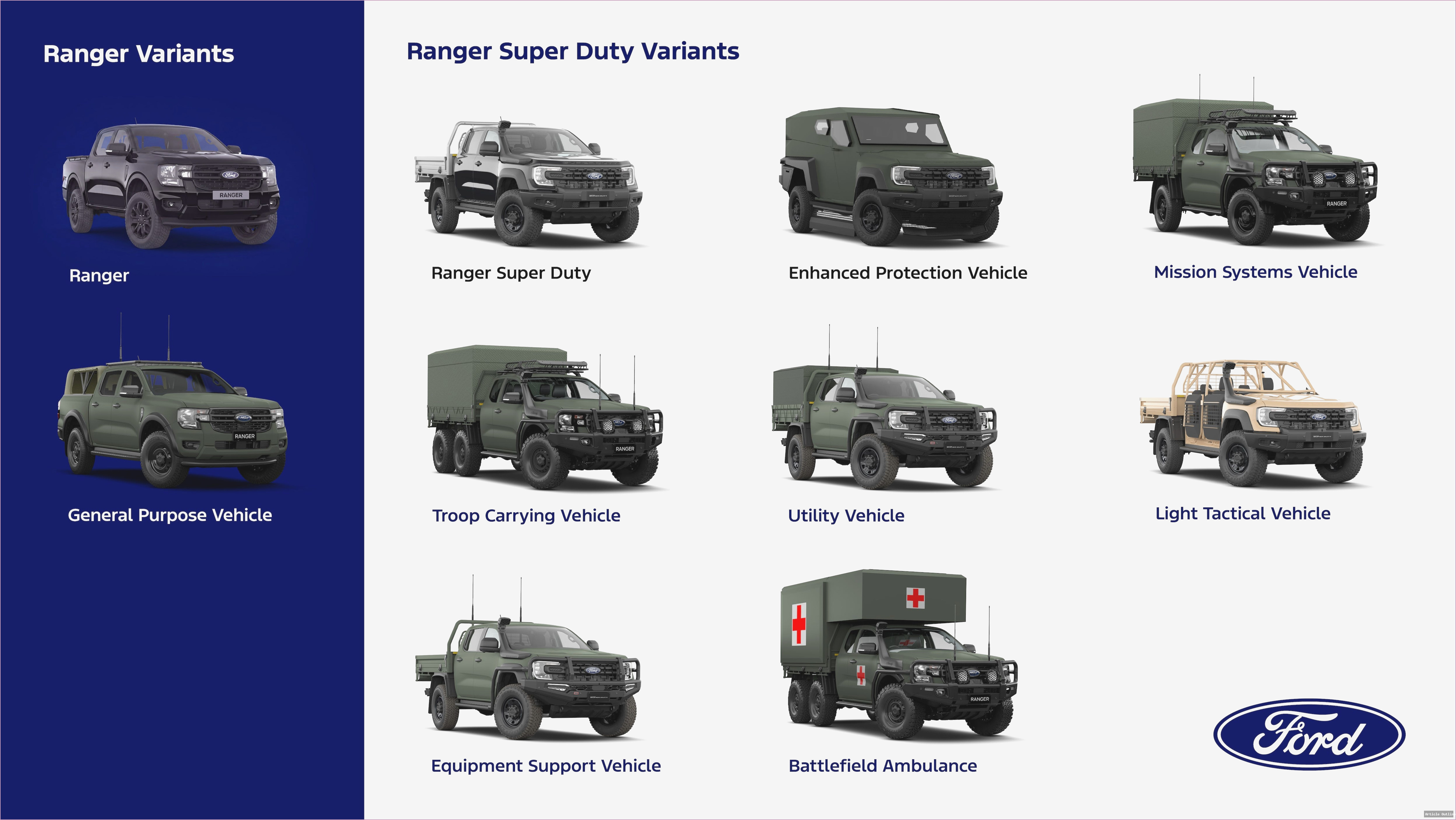
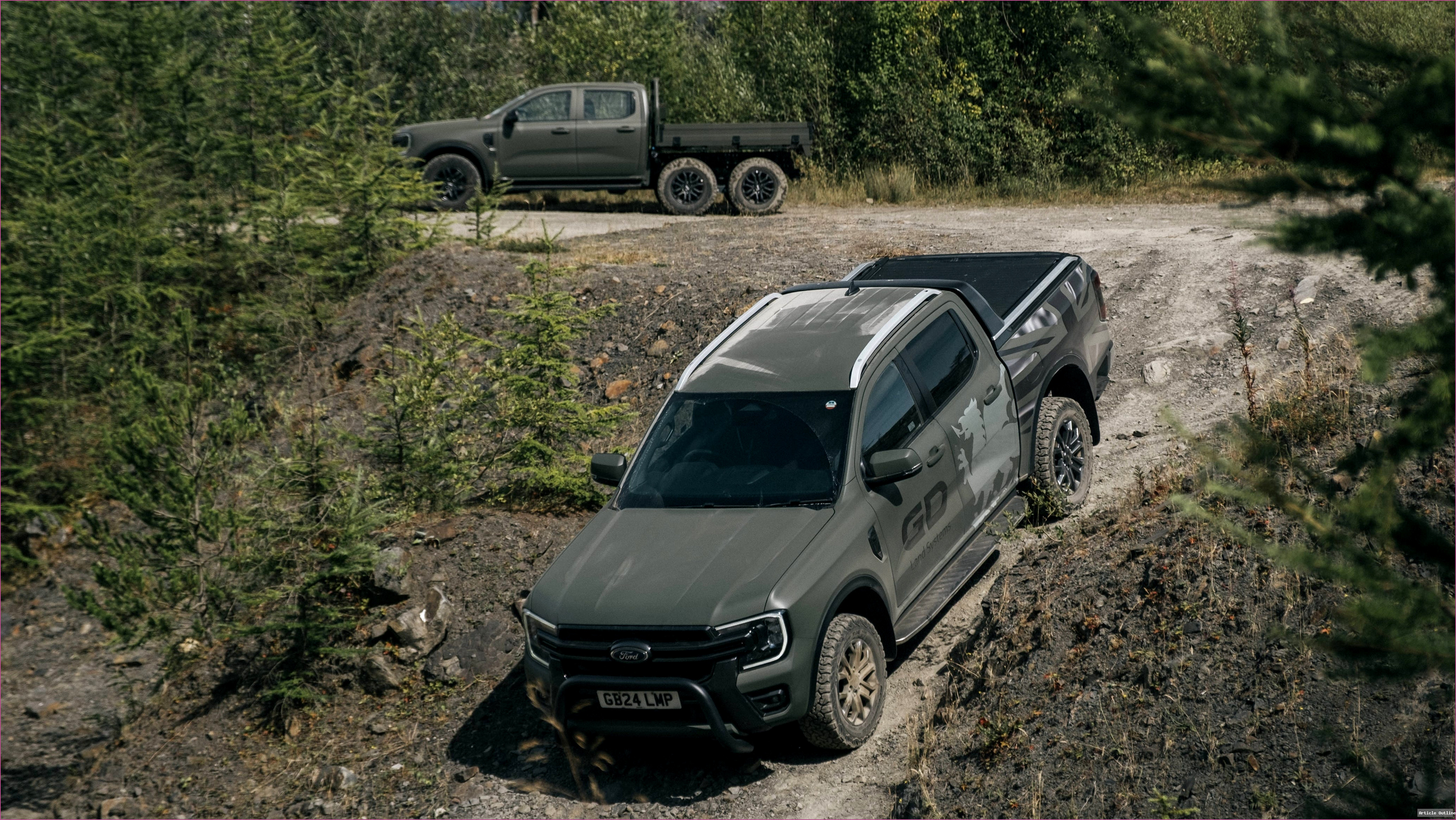
The debut of a six-wheeled Ford Ranger Super Duty prototype for the British Army isn’t just another cool military truck story—it’s a signal of how rapidly the global defense vehicle landscape is evolving. This beast, built in partnership with U.K. engineering experts Ricardo and General Dynamics Land Systems U.K., stands out for more than its imposing stance and extra axle. Let’s dig into what really makes this project significant, and why it matters far beyond the U.K.’s Light Mobility Vehicle Program.
Why This Matters
- The six-wheeled Ranger demonstrates the trend of militaries leveraging proven commercial platforms for specialized needs. This gives armed forces access to global supply chains, easier maintenance, and faster deployment.
- It’s a shot across the bow for legacy defense OEMs—companies like Ford and GM are now serious players in military contracts, using their global models as rugged, customizable workhorses.
- The Ranger Super Duty’s massive payload (4370 lbs) and tow ratings (up to 9921 lbs) blow most civilian trucks out of the water, and even challenge the U.S. F-150, which can only carry 2440 lbs despite a higher towing capacity.
What Most People Miss
- The choice of the Ranger Super Duty is strategic, not just cool. Its production spans five factories on four continents, and it’s sold in 180+ markets. For a military, that means parts availability in remote outposts and cheaper repairs—critical in global operations.
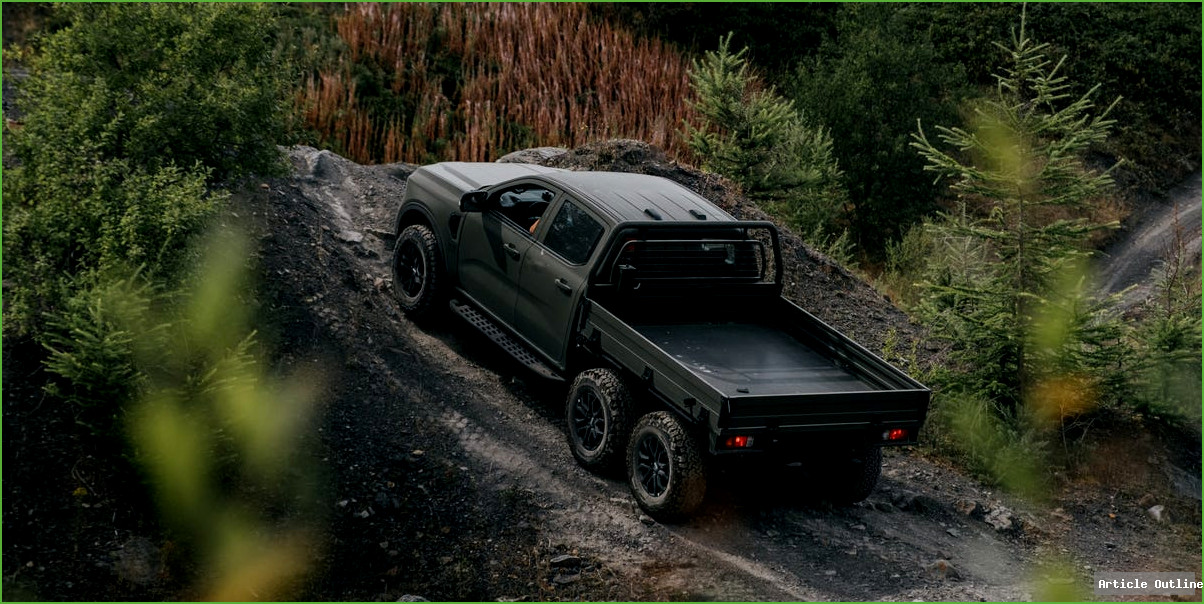
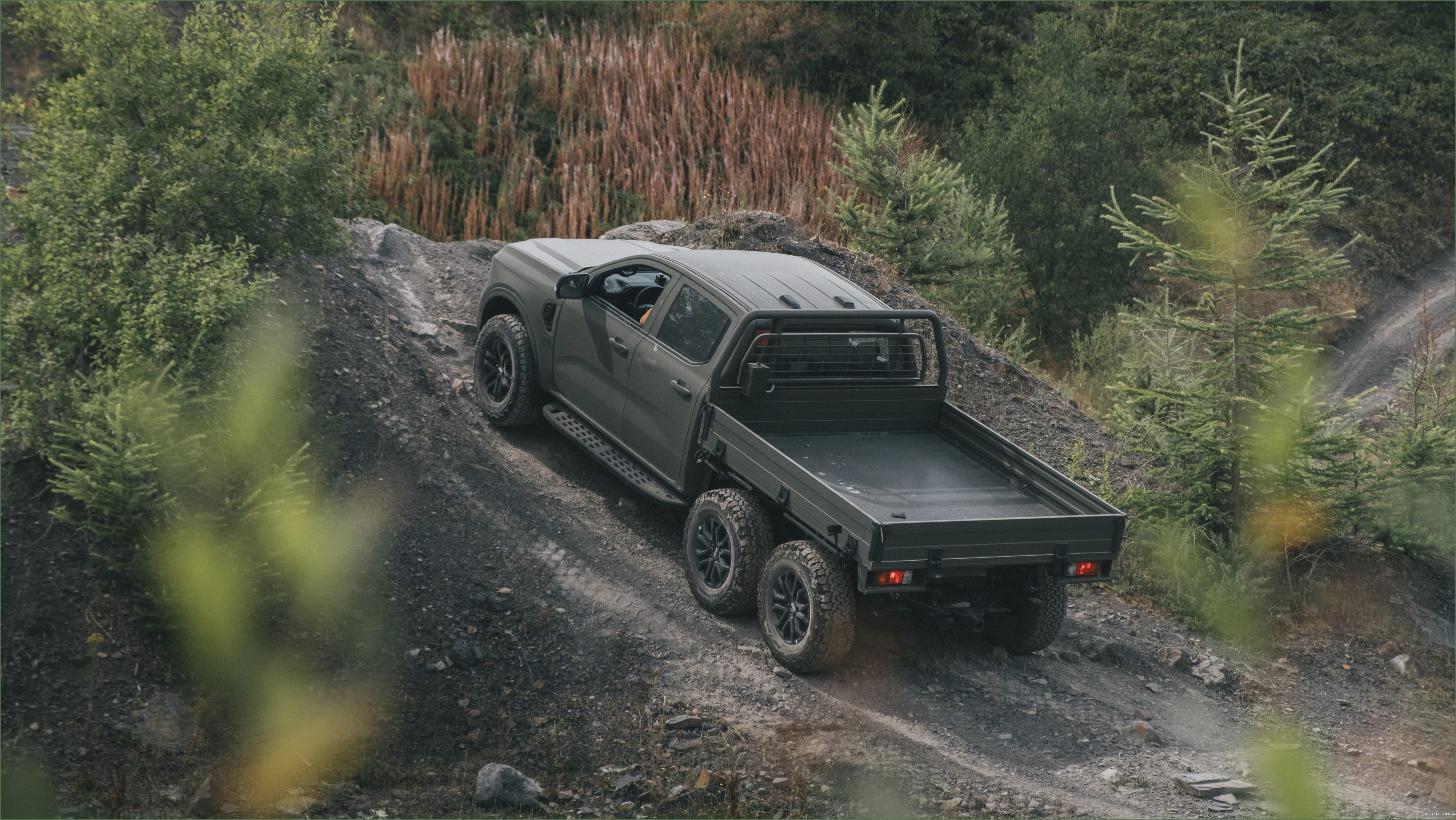
- The six-wheeled variant isn’t just about looking tough. The extra axle likely means higher payloads for troop carriers and ambulances, addressing operational gaps that current 4x4s can’t fill.
- Ford’s diesel 3.0-liter V-6 (443 lb-ft torque) isn’t just powerful—it’s made in England, making it a politically savvy choice for a U.K. defense contract.
Key Takeaways
- This isn’t just a Ranger with extra wheels—it’s a signal of how the lines between consumer and military technology are blurring.
- U.S. buyers won’t see this Ranger Super Duty 6×6 because it would cannibalize F-150 sales, but its specs should make American truck fans drool.
- The global Ranger platform is perfect for military adaptation, offering a mix of local content, global logistics, and proven reliability.
Industry Context & Comparisons
- The U.S. Army’s Infantry Squad Vehicle, based on the Chevy Colorado ZR2, shows a parallel trend—mainstream trucks going tactical. But the Ford Ranger 6×6’s approach is less about extreme specialization and more about multi-role, off-the-shelf flexibility.
- Other countries are following suit: Australia’s Bushmaster, Germany’s Mercedes-Benz G-Class, and Russia’s UAZ Patriot all started as civilian vehicles before military upfitting.
Pros and Cons
- Pros:
- Global parts availability
- High payload and towing
- Faster, lower-cost procurement
- Multiple configurations (troop, ambulance, tactical)
- Cons:
- Not available to U.S. consumers
- Potential overlap with existing military platforms
- May require significant training for unique configurations
Action Steps & Implications
- For defense agencies: Evaluate the long-term savings and operational flexibility of commercial-based platforms versus bespoke military vehicles.
- For truck enthusiasts: Watch for tech and features developed for military Rangers to trickle down to civilian models overseas.
The Bottom Line
The Ford Ranger Super Duty 6×6 is more than a military curiosity—it’s a bellwether for how commercial innovation is transforming battlefield mobility. If you want to see the future of tactical vehicles, look no further than the global pickup truck arms race. The six-wheeled Ranger is proof that sometimes, the best way to outfit an army is to start with what’s already battle-tested on the world’s roads—and add a little extra muscle.
Sources: