When you think of the most iconic cars of the 1980s, you might picture the DeLorean, Ferrari Testarossa, or even the humble K-Car. But the true game-changer wasn’t even street-legal—or full-size. The Team Associated RC10, launched in 1984, quietly rewrote the rules not only for radio-controlled (RC) racing but for automotive engineering as a whole.
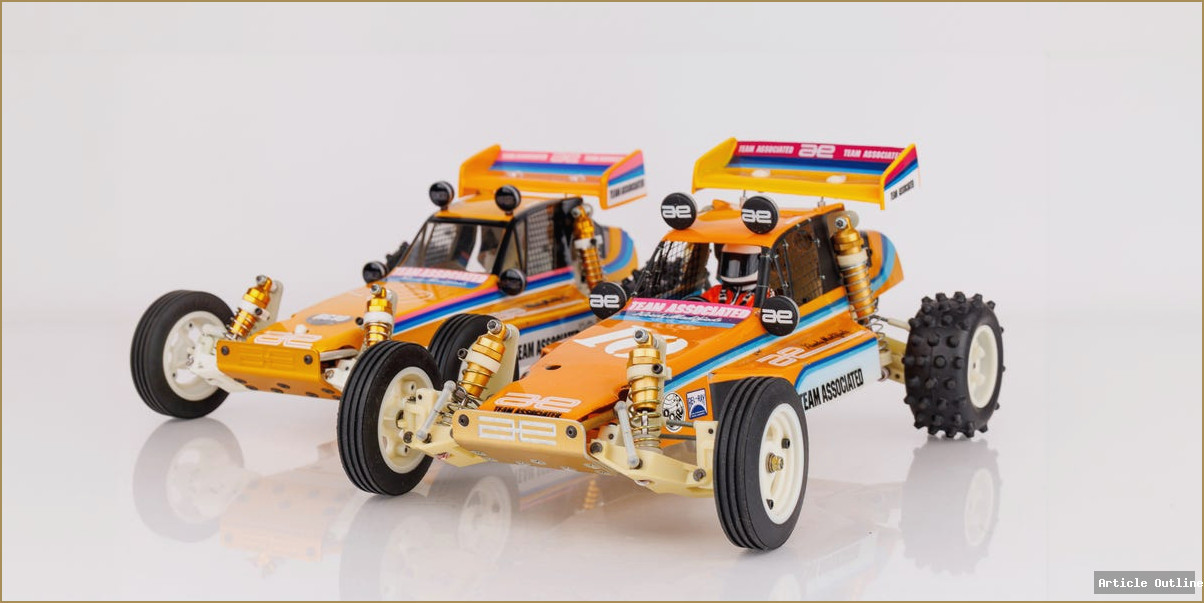
Let’s get this straight: the RC10 wasn’t just a toy. It was a pint-sized, electric-powered marvel that embodied cutting-edge thinking, and its influence on motorsport and technology can still be felt today. Here’s why everyone should know about this 15-inch legend.
Why This Matters
- The RC10 was the first mass-market RC car engineered for real racing, not just backyard fun. Its debut marked a shift from plastic, entry-level kits to precision-tuned, competition-grade machines.
- It democratized high-performance engineering—suddenly, kids (and adults) could tinker with suspension geometry, gear ratios, and differentials, hands-on.
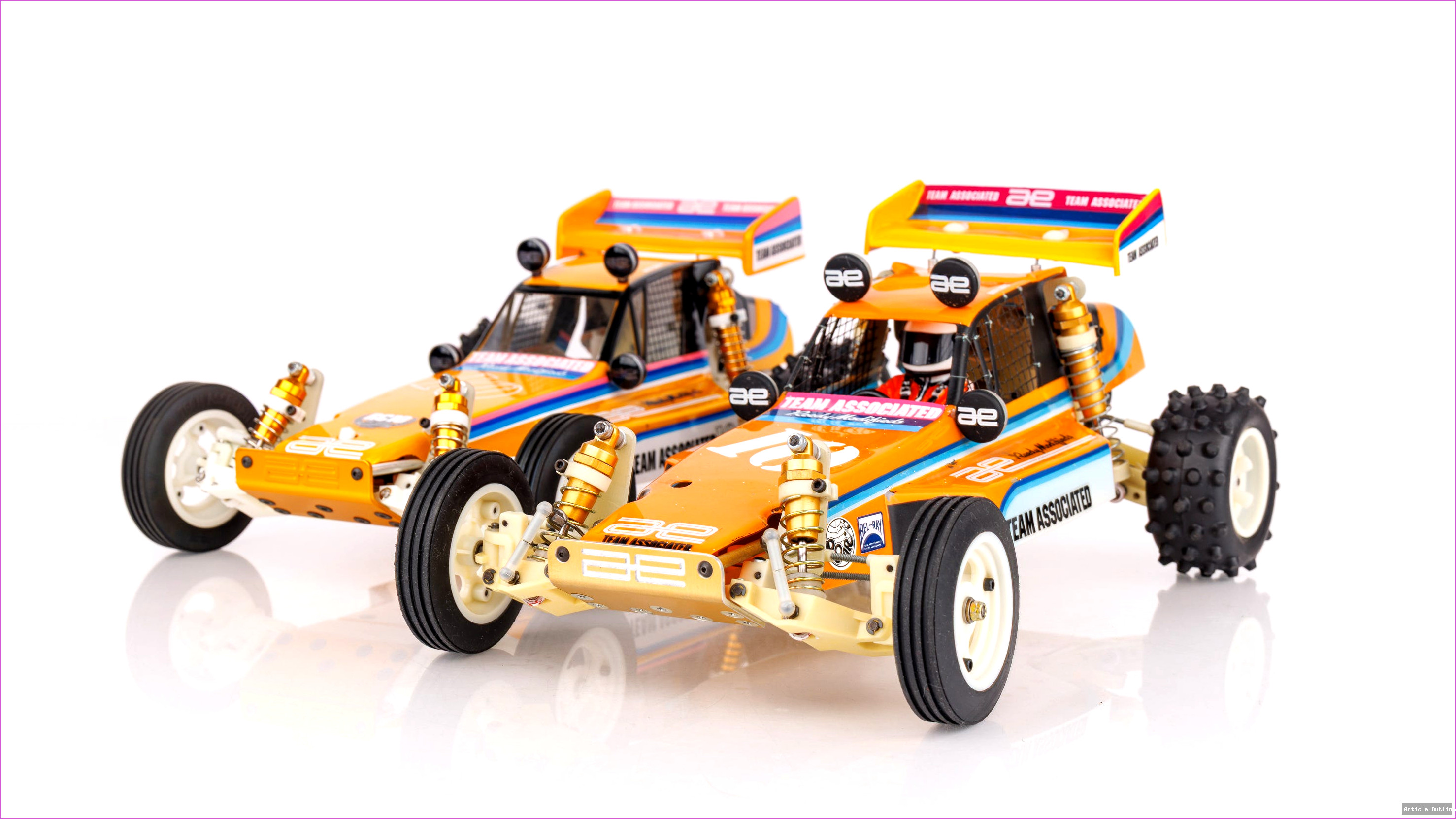
- The RC10’s innovations—like its gold-anodized aluminum tub, bell-crank steering, and adjustable suspension—were direct analogs of full-scale racing tech, but scaled down and made accessible.
- This EV revolutionized its segment decades before Tesla made electric cool again.
What Most People Miss
- The RC10 was a proving ground for future automotive engineers. Many who built, raced, and tuned these cars went on to careers in motorsports, automotive design, and mechanical engineering.
- At a time when RC cars were shifting from nitromethane to electric, the RC10 proved electric could win—shattering the image of EVs as slow or boring, even in miniature.
- Every RC10 was hand-designed and hand-machined. This was the pre-CAD, pre-3D printing era—true old-school craftsmanship meeting futuristic ambition.
- The RC10’s adjustability (camber, roll-center, gear ratios) wasn’t just for bragging rights; it taught a generation the basics of vehicle dynamics. How many 12-year-olds could explain roll center before the RC10?
Key Takeaways
- RC10’s 40-year legacy isn’t nostalgia—it’s a living testament to the power of engineering curiosity.
- The culture of modding, tuning, and personalizing cars owes a debt to the RC10 era of kit-building and experimentation.
- Stats that matter: Over a dozen IFMAR world championships, countless national titles, and a fanbase that still celebrates it with anniversary editions and vintage races.
- The RC10’s DNA is visible in everything from today’s high-end RC racers to the DIY spirit of EV conversion projects.
Industry Context & Comparisons
- While Tamiya focused on mass-market kits, Team Associated doubled down on race engineering. The RC10’s aluminum tub and ball-type limited-slip differential were years ahead of the competition.
- RC10’s success inspired a golden age of American RC innovation, paralleling Japan’s video game boom in the same era.
- Today, the RC10’s spirit is alive in both the collector’s market and the resurgence of hands-on STEM education—real-world, plug-and-play learning long before “maker culture” was a thing.
The Bottom Line
The Team Associated RC10 wasn’t just the most influential car of the 1980s—it was a revolution in miniature. It taught a generation to build, race, tweak, and win, showing that the thrill of innovation isn’t about size, but about possibility. Its 40th anniversary isn’t just about reliving the past; it’s a reminder that the future of automotive design, engineering, and even electric vehicles began in unexpected places. Next time you see a kid zipping an RC car down the street, remember: that’s the spirit that built the future.