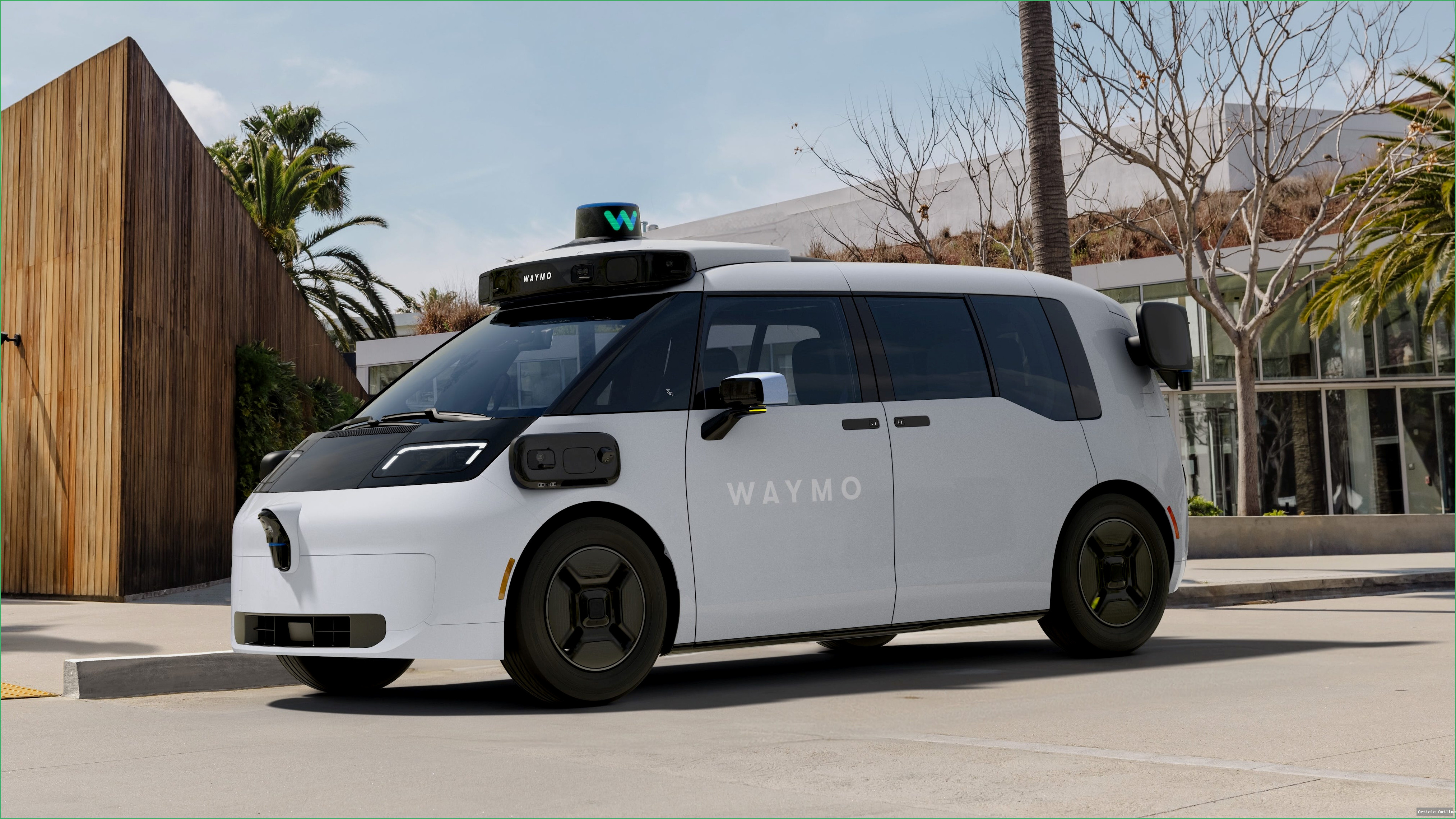
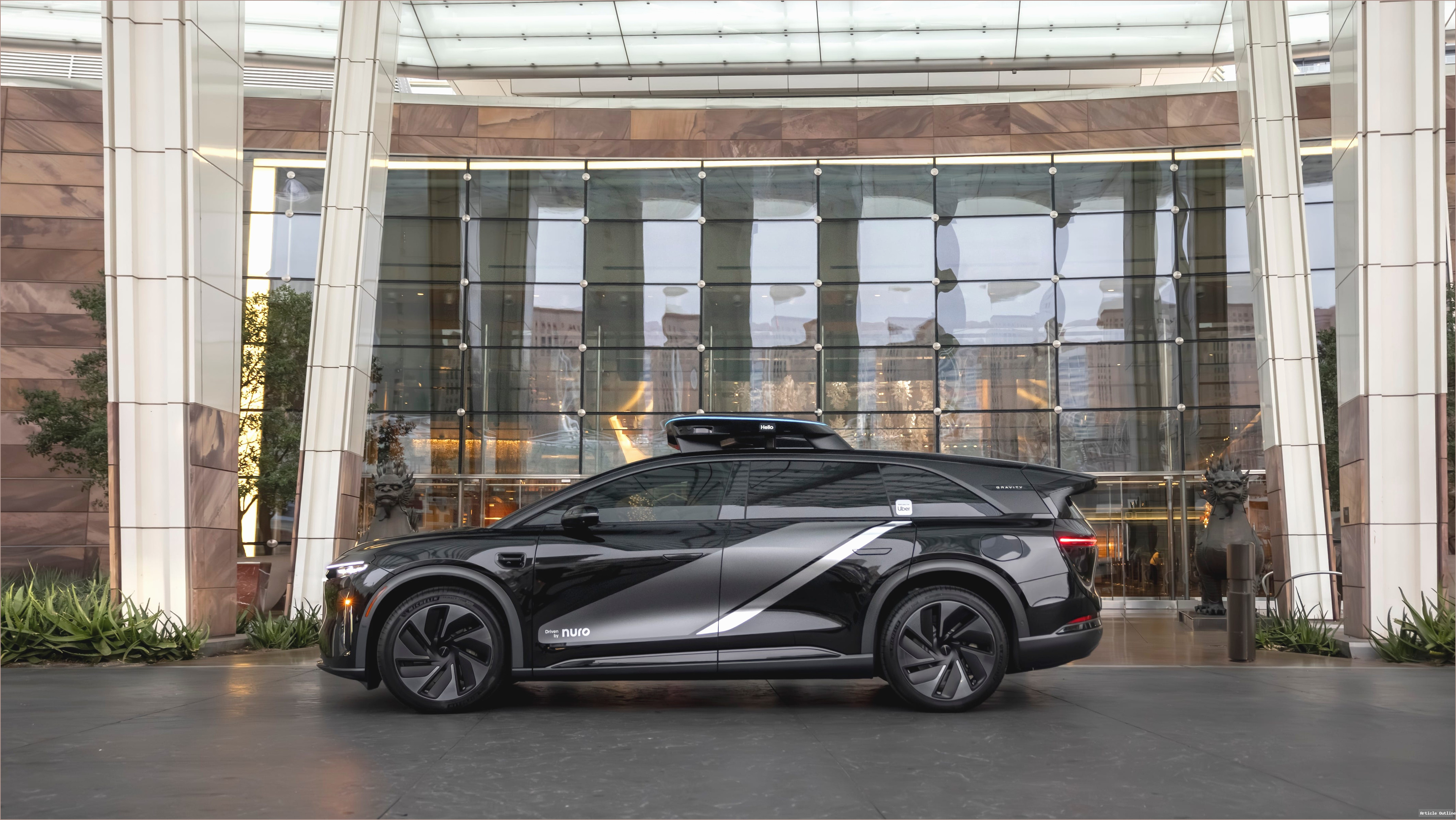
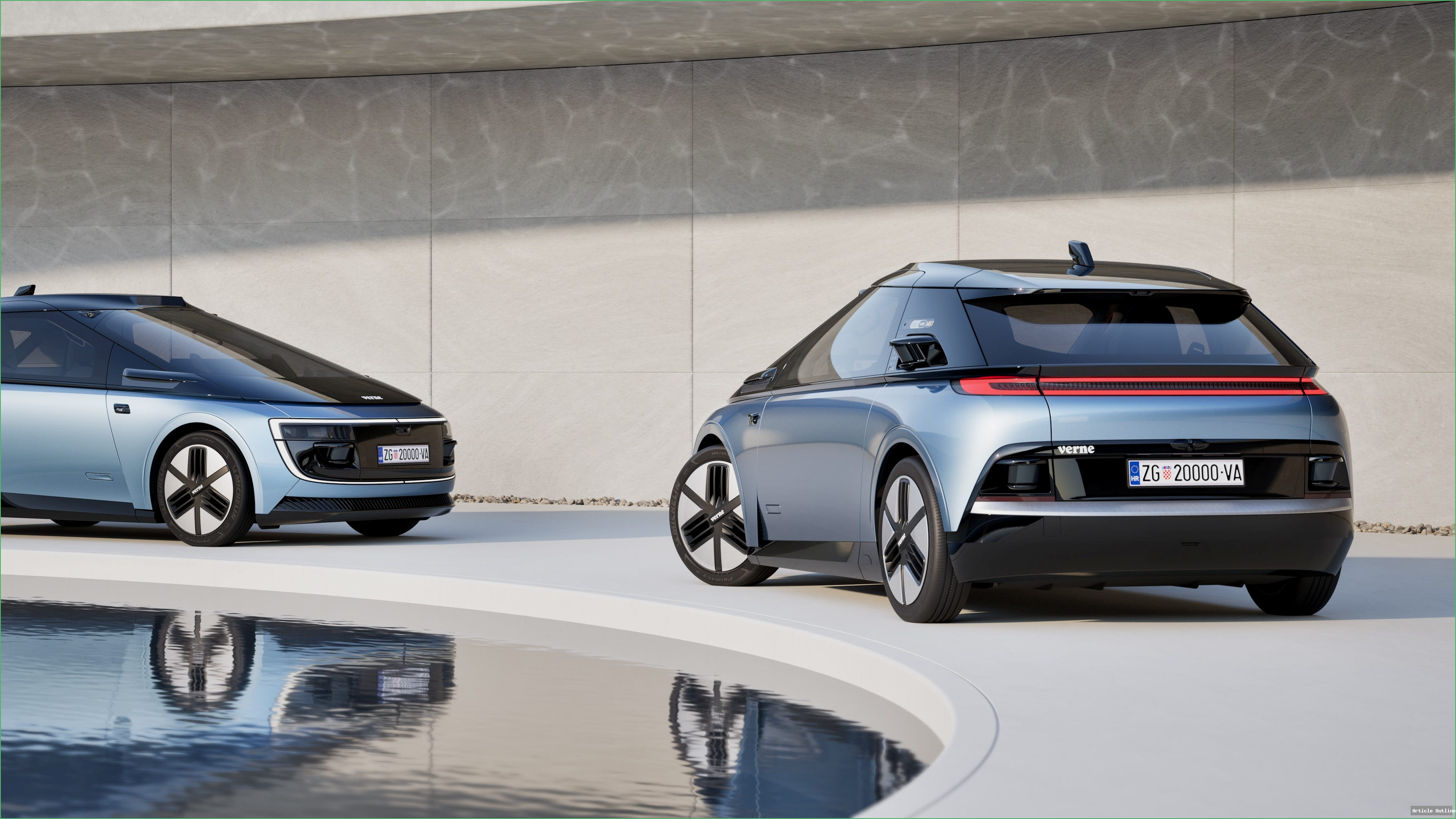
The rise of robotaxis has shifted the conversation in ways few predicted. While the headlines shout about self-driving cars, the real unsung heroes may be the humans quietly supporting these vehicles from afar—remote assistance operators. SAE International’s latest best practice document aims to define exactly what it takes to keep this invisible backbone strong and safe. But is the world ready for a ‘driverless driver’s ed’—and what hidden challenges does this shift create?
Why This Matters
- Robotaxis aren’t truly ‘driverless’ until the remote support network is bulletproof. When AVs get stuck or confused (which still happens more often than companies admit), it’s the remote operator who decides the next step. Their decisions directly impact road safety and public trust.
- The industry is shaping new rules for human-machine teamwork. The line between driving and monitoring is blurring. Knowing how to ‘guide without driving’ is a skill set that never existed before.
- The big twist: A valid driver’s license? Optional! SAE’s guidance says remote operators may not need a license at all. That’s a radical departure from every traditional driving role—and one that could spark debate about safety standards.
What Most People Miss
- Remote operator fatigue is different—and potentially more dangerous—than in-car driver fatigue. Instead of being overloaded, these operators can become dangerously bored, leading to ‘cognitive underload’—a risk rarely discussed in transport safety.
- Simulators, not steering wheels, are the new training ground. SAE recommends operators train on systems that mimic the remote experience, not hands-on driving. This could open the door to a broader, more diverse talent pool, but also raises questions: Does this dilute the essential ‘feel’ for the road?
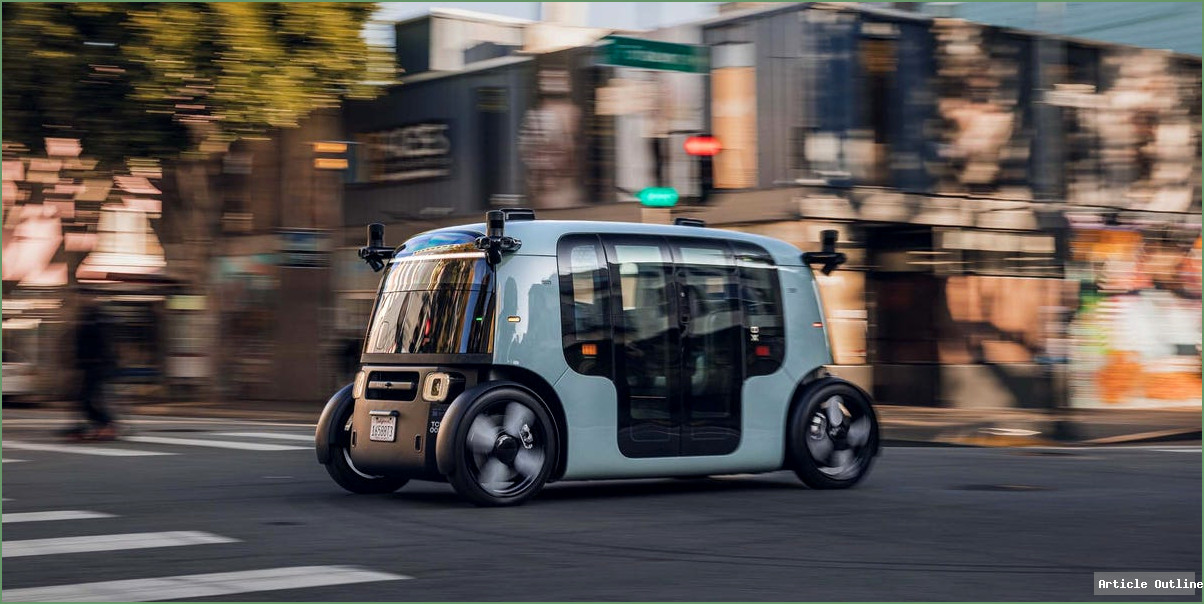
- AV companies may keep training details secret—risking a trust gap. With Waymo, Zoox, and others tight-lipped about their operator training, there’s a transparency hole the public deserves to see filled.
Key Takeaways
- SAE’s new guidelines fill a regulatory void—setting the first widely-acknowledged standard for remote AV operator training.
- Training is about understanding tech, rules, and communication—not car control. Operators must know the laws of each operating area, the logic of the AV’s AI, and how to communicate with passengers, bystanders, and emergency responders.
- Retraining and simulation are crucial. Regular refreshers and scenario-based drills are recommended to keep skills sharp and adapt to software updates—something sorely lacking in traditional driver’s ed.
- Human factors are king. The operator’s workstation, workload, and even their right to take breaks without penalty are key to performance—and ultimately, safety.
Industry Context & Comparison
- Level 4 and 5 autonomy is still rare in real-world deployment. As of 2024, most AVs operate in limited geofenced areas, with remote intervention required in edge cases—making this role pivotal.
- Aviation has set precedents for remote monitoring. Air traffic controllers and UAV pilots have rigorous, transparent training. The AV industry is only now catching up.
- Public acceptance hinges on trust. According to a 2023 Pew Research survey, only 26% of Americans are comfortable with driverless cars. Transparency in operator training could move the needle.
Timeline: How Did We Get Here?
- 2015–2018: AV pilots launch in U.S. cities, with safety drivers always present.
- 2019: First truly ‘driverless’ rides begin in limited zones—remote monitoring steps in.
- 2022–2024: High-profile robotaxi incidents highlight the need for robust human backup and clearer standards.
- 2024: SAE publishes its first best-practice manual for remote operator training, setting an industry benchmark.
Pros and Cons of SAE’s Approach
- Pros:
- Raises industry baseline for safety and training.
- Encourages simulation-based, scenario-rich learning.
- Promotes operator well-being (breaks, cognitive load awareness).
- Cons:
- Leaving licensing optional could be controversial.
- Lack of mandated transparency may slow public trust.
- Potential for inconsistent standards between companies.
The Bottom Line
The real test for self-driving cars isn’t just on the street—it’s in the training rooms (and minds) of the humans behind the screens. SAE’s new guidance is a leap forward, but the industry must balance innovation with transparency and public reassurance. As we hand more control to machines, the human element becomes even more crucial—and more complex.
Sources: