Think your phone is the only device spilling your secrets? Think again. If you drive a modern car, chances are it’s tracking your every turn, stop, and destination—and sharing that data with companies you’ve never heard of. Welcome to the age of the connected car, where privacy is in the rearview mirror unless you take action.
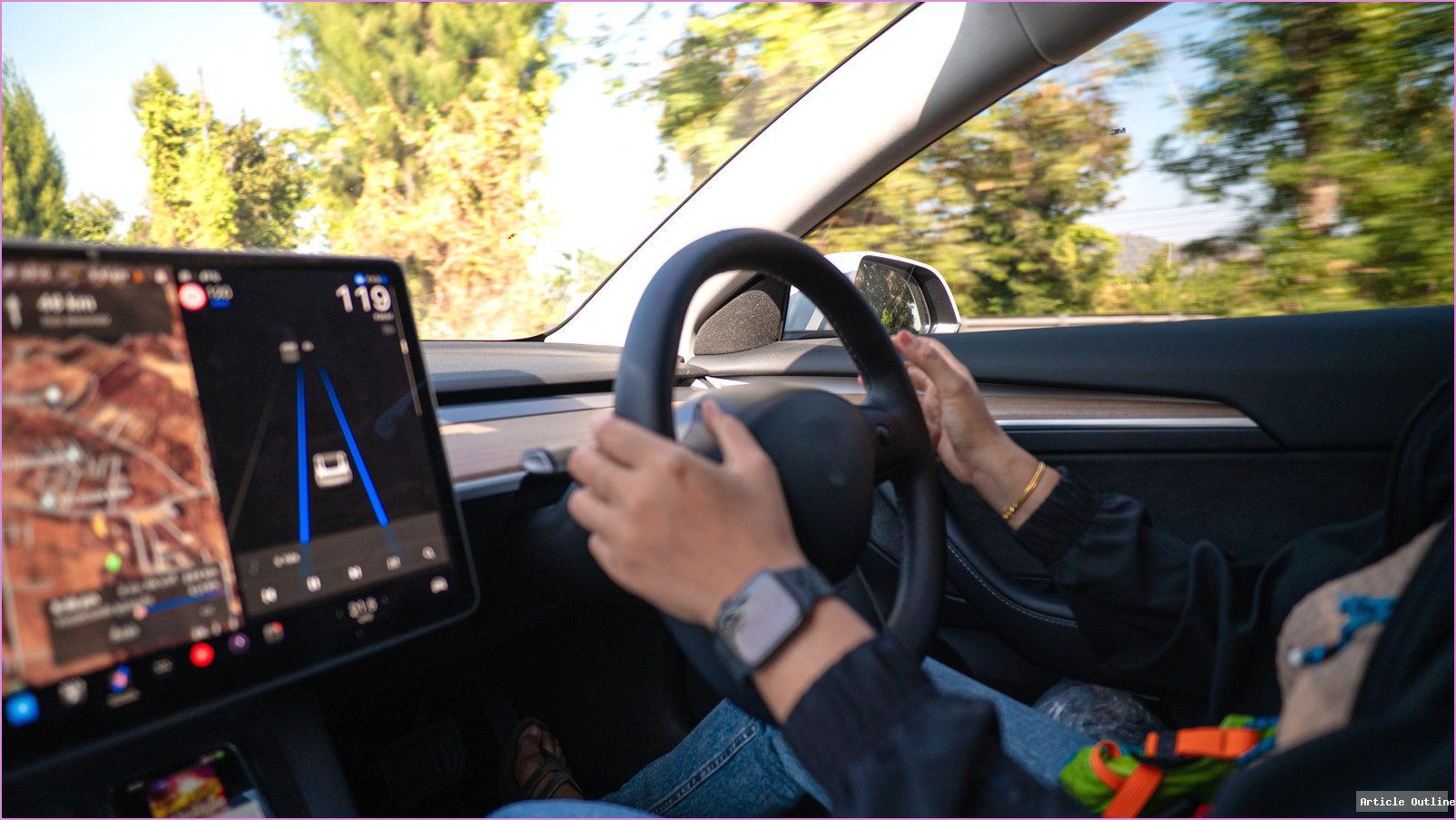
Let’s break down what’s really happening, why it matters, and—most importantly—how you can (partially) opt out.
Why This Matters
- Your driving data isn’t just about navigation—it’s a lucrative commodity. Automakers and their partners sell this info to insurers, marketers, and data brokers, influencing everything from your insurance rates to the ads you see.
- Privacy organizations are sounding the alarm. The Mozilla Foundation recently ranked cars as the worst consumer product category for privacy, surpassing even smart home gadgets and phone apps.
- Regulators are starting to crack down. In 2026, the FTC banned General Motors from sharing driver location data with consumer reporting agencies after privacy violations, signaling growing scrutiny.
What Most People Miss
- It’s not just about GPS: Your car’s infotainment system, telematics, smartphone connectivity (Android Auto, CarPlay), and even voice assistants may all collect and share data.
- Opting out isn’t simple: There’s no universal ‘off’ switch. Each automaker (and sometimes each model) has its own maze of settings and policies. Some offer granular controls, others force an all-or-nothing decision.
- Privacy comes with trade-offs: Disabling tracking features could mean losing conveniences like remote start, roadside assistance, or real-time traffic updates. It’s a privacy vs. convenience tug-of-war.
- Don’t forget about data when you sell your car: If you don’t wipe your data, the next owner might inherit your digital footprint—potentially impacting your insurance or privacy.
Key Takeaways
- Most cars built in the last 5-10 years collect and share location data.
- Insurers and marketers may access this data, sometimes without your explicit consent.
- Your data may persist even after you sell or trade your vehicle—unless you take steps to erase it.
- Services like Privacy4Cars can help you uncover what your specific vehicle collects and shares.
Action Steps: How to Check and Opt Out
- Get a Vehicle Privacy Report: Use your VIN (found on your dashboard or door jamb) at sites like Privacy4Cars to see what’s being collected.
- Review your car’s settings: Dive into the infotainment system and associated app. Look for terms like Data Sharing, Connected Services, Analytics, and Location Services.
- Opt out where possible: Some manufacturers let you turn off specific data-sharing features. Others require you to disable entire categories of services.
- Consider unpairing your phone: This limits access to your contacts, call logs, and more—but disables features like Android Auto and CarPlay.
- Before selling or trading in: Perform a factory reset, remove the car from your manufacturer’s app, and notify the automaker of ownership change to wipe your data.
Industry Context: Are Cars the New Privacy Battleground?
- Comparisons: While smartphones have faced intense privacy scrutiny, cars—rolling computers with always-on sensors—have largely flown under the radar until recently.
- Trend: As vehicles get more connected (think EVs, autonomous driving), the volume and sensitivity of data collected is only increasing.
- Stat: According to Mozilla, 25 of 25 major car brands failed basic privacy tests—far worse than other consumer tech sectors.
The Bottom Line
Car data privacy isn’t science fiction—it’s today’s reality. While opting out won’t give you perfect anonymity, it’s critical to know what’s at stake and make informed choices. Next time you buckle up, remember: You’re not just going for a drive—you’re leaving a digital trail. Be smarter than your car.