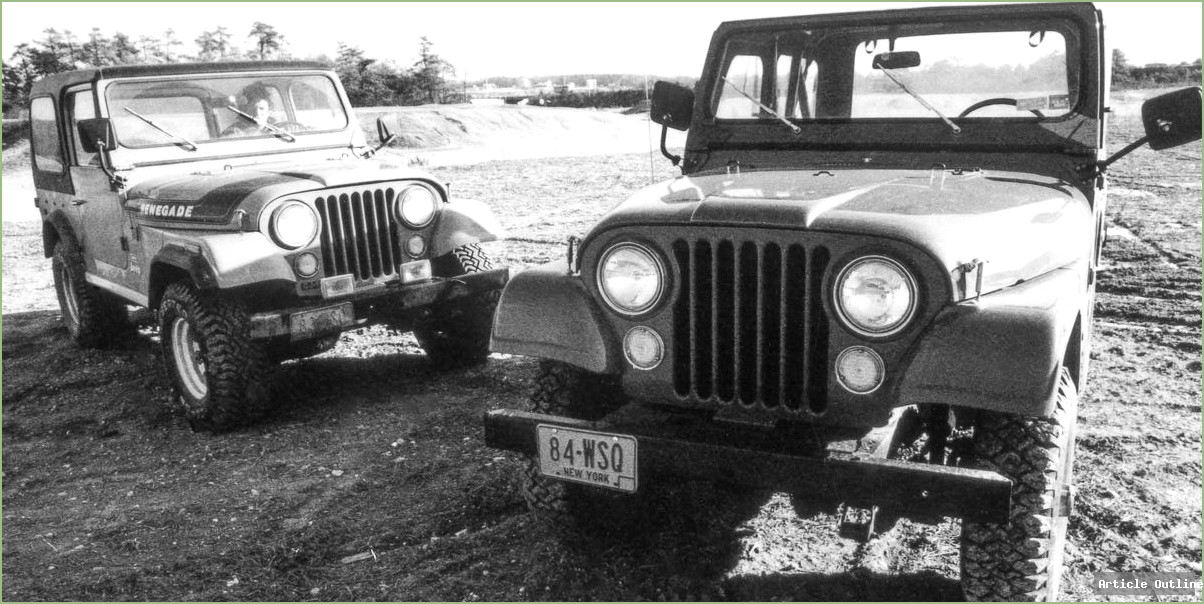
The 1976 Jeep CJ-5 and CJ-7 Renegade models aren’t just relics of a bygone era—they’re the roots of the modern off-road movement. These classic Jeeps, with their boxy charm and no-nonsense engineering, continue to influence SUV culture even as technology races ahead. Let’s break down why these icons are more than just automotive nostalgia—they’re a blueprint for adventure and resilience.
Why This Matters
The 1976 CJ-5 and CJ-7 marked a turning point for recreational vehicles. At a time when most cars were getting softer, Jeep doubled down on ruggedness. These models set the standard for off-road capability, inspiring generations of SUVs and pickup trucks. The CJ-7 in particular was the first to offer automatic transmission in a Jeep, making hardcore off-roading more accessible to the masses.
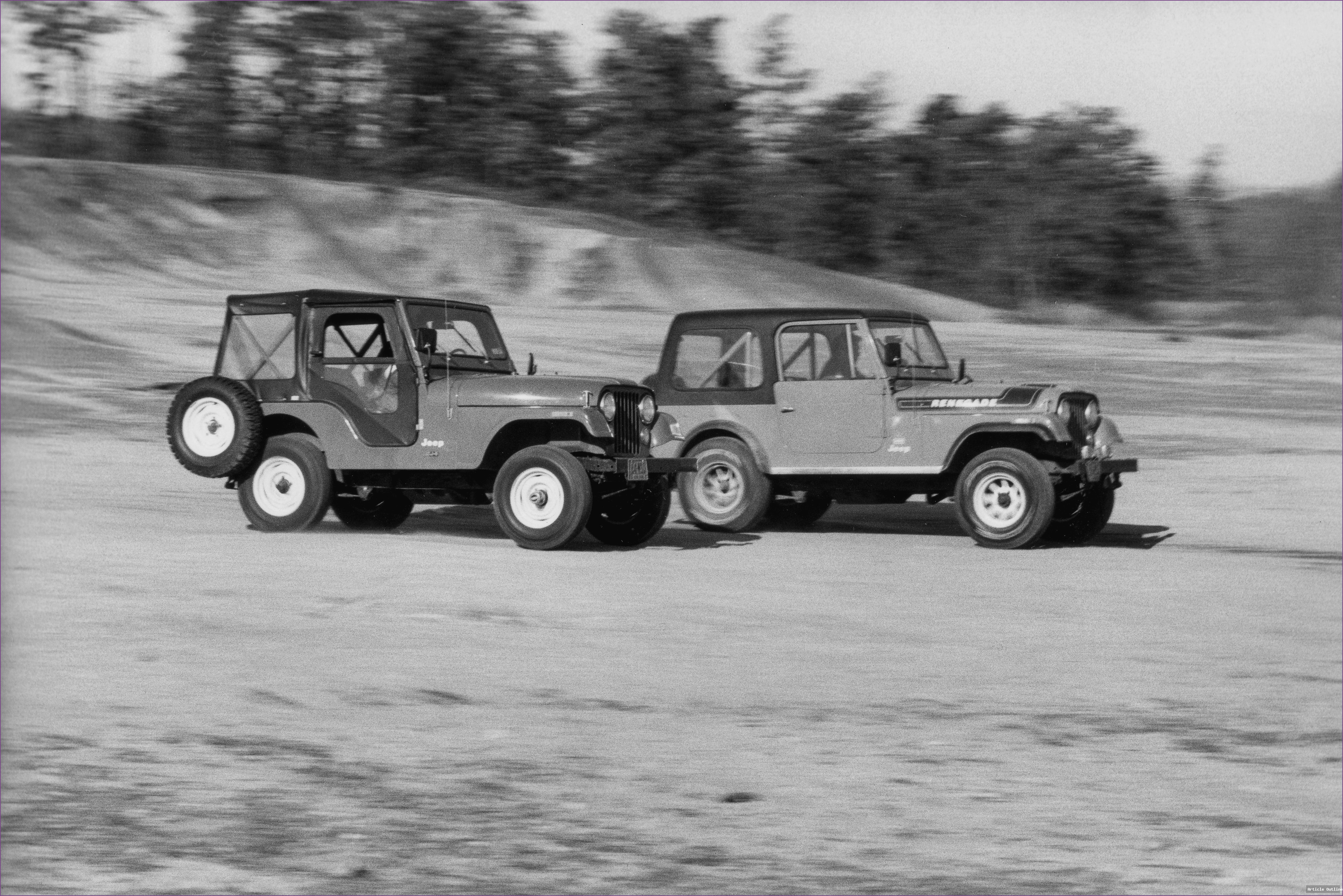
- CJ-5 production spanned from 1954-1983—nearly three decades of enduring design.
- CJ-7 debuted in 1976 with a longer wheelbase (93.5 inches vs. CJ-5’s 83.5 inches), improving ride comfort and stability.
- These vehicles are direct ancestors to the Jeep Wrangler, one of America’s top-selling SUVs for decades.
What Most People Miss
It’s easy to look at the CJ-5 and CJ-7 as just “old Jeeps,” but here’s what’s often overlooked:
- Simplicity equals reliability: Unlike today’s tech-laden SUVs, the CJ-5 and CJ-7 were refreshingly simple. Fewer electronics meant fewer things to break when you’re 20 miles from civilization.
- Customization culture started here: The CJ series was the platform for aftermarket mods—think winches, lift kits, and off-road tires. This spirit lives on in today’s Wrangler community.
- In an era of emissions and safety crackdowns, the CJ-7’s introduction was a bold statement: fun and freedom still had a place on American roads.
Key Takeaways
- CJ-5: Pure, compact, and agile—a favorite for tight trails and challenging terrain.
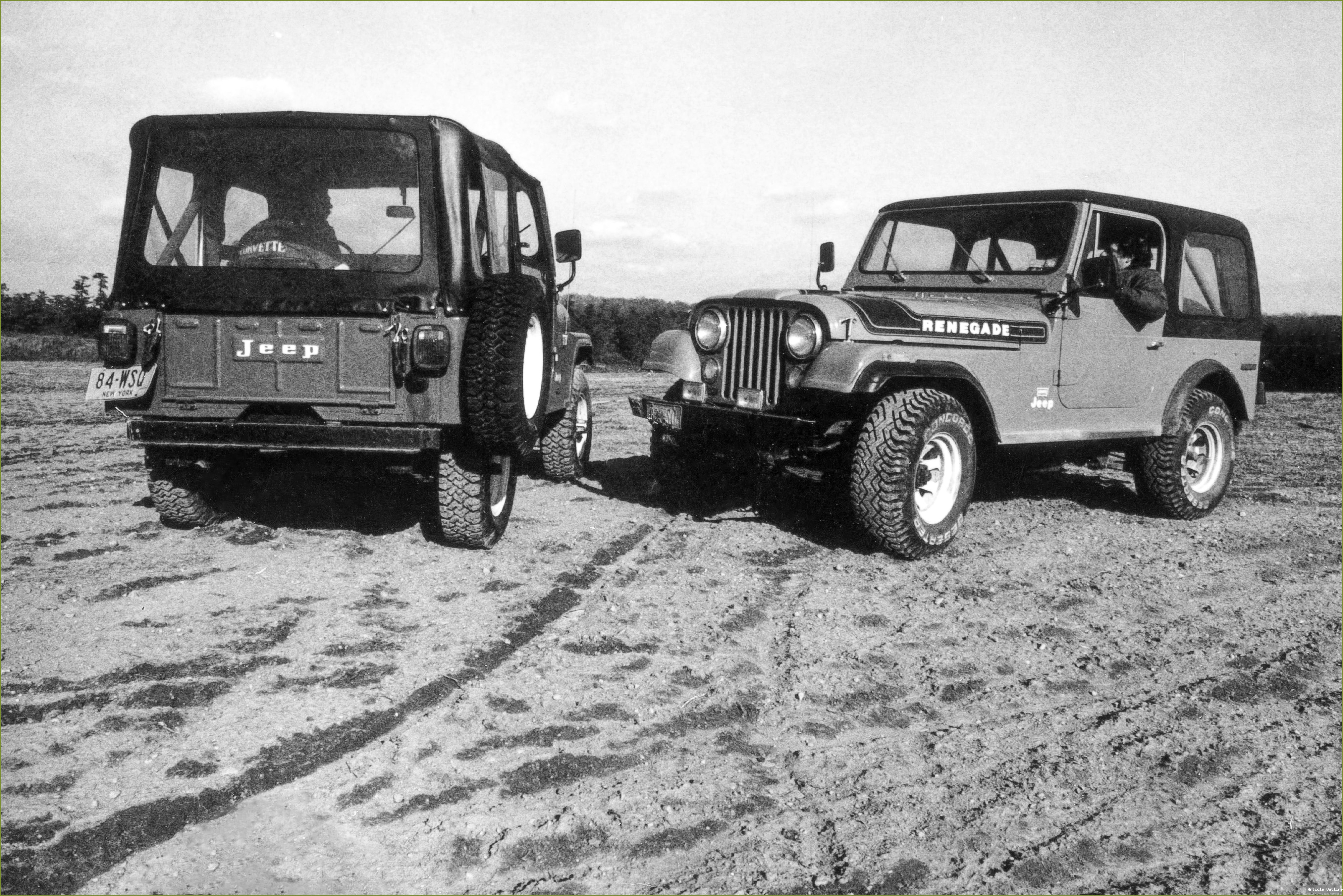
- CJ-7: More comfort, more versatility, and the bridge to the modern Wrangler.
- Both models helped cement Jeep’s reputation for ruggedness, adaptability, and fun.
Comparisons & Context
- Compared to the Ford Bronco and International Scout of the same era, the CJ-5 and CJ-7 offered unmatched simplicity and a diehard fan base.
- While Bronco and Scout have recently been revived, only the Jeep Wrangler traces a direct, unbroken lineage back to the CJs.
- Sales Data: By the end of CJ-7 production in 1986, over 379,000 units had rolled off the line—proof of enduring demand.
Pros and Cons Analysis
- Pros: Legendary off-road capability, simple mechanics, huge aftermarket support, classic looks.
- Cons: Spartan interiors, rough ride on pavement, minimal safety features by modern standards.
Expert Commentary
“The CJ-5 and CJ-7 are time machines on wheels. They capture an era when driving was about feeling the road—and the rocks beneath your tires.”
The CJ’s spirit is alive and well in every Wrangler, Bronco, or 4Runner you see on the trail today. If you want to understand why off-roaders are so passionate, look no further than these classic CJs.
The Bottom Line
The 1976 Jeep CJ-5 and CJ-7 are more than vintage vehicles—they’re living proof that authenticity, adaptability, and a little bit of grit never go out of style. While others chase comfort and convenience, the CJ reminds us: sometimes, the best adventures come with a few bumps and a whole lot of character.