The 2026 Ford Ranger Raptor isn’t just an off-road fantasy—it’s a daily driver, a cross-continent mule, and, as this 10,000-mile long-term test proves, a surprisingly complex multitool for the adventurous (and occasionally frustrated) modern driver.
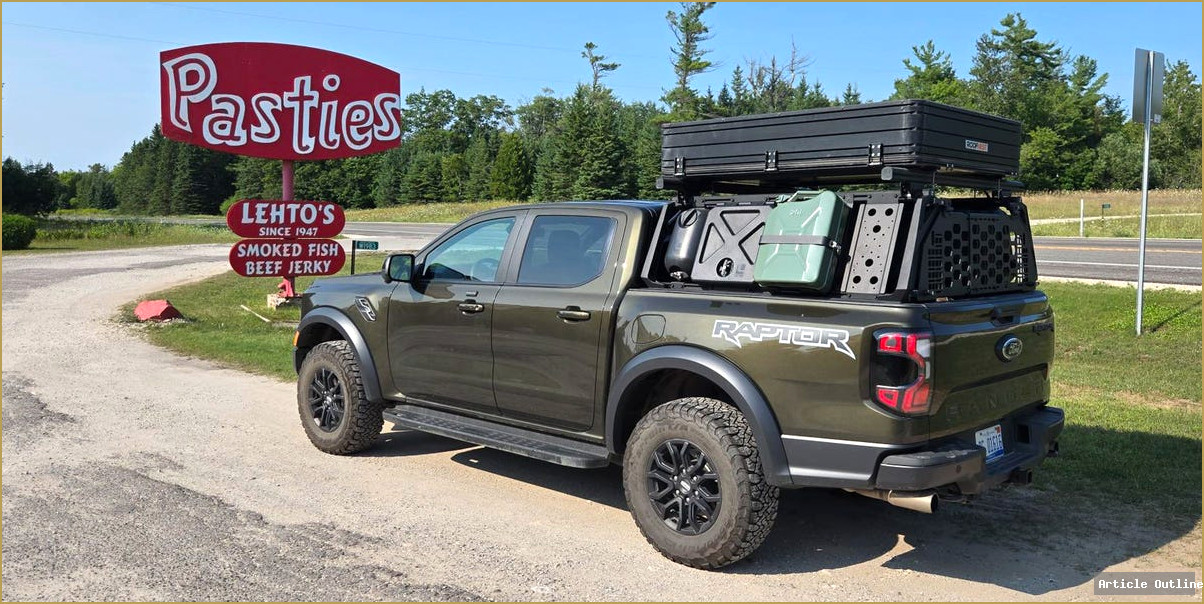
Let’s cut through the marketing and dig into what really matters after thousands of miles, from epic Arctic treks to the mundane realities of fuel stops and rattling bed racks.

Why This Matters
- The 2026 Ranger Raptor is one of the most anticipated mid-size off-road pickups, blending the go-anywhere attitude of its F-150 sibling with a more approachable size and price (base: $58,965).
- Real ownership exposes truths you won’t see in glossy ads—fuel economy pains, gear-induced quirks, and the joys (and headaches) of using a Raptor as both a commuter and an expedition rig.
- Industry context: The mid-size truck segment is fiercely competitive. The Ranger Raptor’s ability to undercut rivals like the Toyota Tacoma TRD Pro ($66k+) while outperforming the Chevy Colorado ZR2 in off-road testing signals Ford’s intent to dominate the category.
What Most People Miss
- The “Adventure Tax” on Fuel Economy: Outfitting the Raptor with a rooftop tent, bed rack, and full overlanding gear added 446 pounds—dropping the average fuel economy to 14 mpg (vs. EPA’s 17 mpg combined). That’s an observed driving range of just 280 miles per tank, making extra fuel cans a necessity on remote routes.
- Performance Isn’t Just About Power: The added weight slowed 0–60 mph times by 0.6 seconds, but improved braking thanks to better weight distribution—an unexpected (and rarely touted) benefit of a loaded rig.
- Living With the Tech: Lane-keeping assist and speed-limit recognition felt more like nags than helpers, especially in the U.S. context. Real drivers routinely disabled these features for sanity’s sake.
- Minor Quirks Can Become Major Annoyances: The bed rack’s locking latches tended to come loose, the rear diff once failed to unlock, and a mysterious limp mode episode had the truck blinking warnings—only to self-resolve, leaving owners wondering about reliability in the wild.
Key Takeaways & Expert Analysis
- Raptor DNA, Right-Sized: The Ranger Raptor delivers F-150 Raptor bravado in a friendlier, more maneuverable package—making it a true daily driver that doesn’t demand a three-car garage.
- Comfort for the Long Haul: Even after 15-hour stints, the supportive seats and supple suspension earned praise—proving that ruggedness doesn’t have to mean punishment.
- Price-to-Fun Ratio: At $60k as-tested, you get a 405-hp, 430 lb-ft twin-turbo V6, full-time 4WD, and serious trail hardware—undercutting competitors while outperforming them off-road in head-to-head tests.
- Not a Fuel Sipper: With real-world mpg matching a full-size V6 F-150 Raptor, buyers must budget for frequent (and sometimes remote) fill-ups, especially when loaded for adventure.
- Durability and Reliability: Maintenance costs have been minimal ($196 at 20k miles), with only minor hiccups reported—impressive given the truck’s punishing use.
Timeline: 10,000+ Miles of Testing Highlights
- 0–5,000 miles: Daily driving, comfort praised, minor tech gripes emerge.
- 5,000–13,000 miles: Epic overland trip to northern Canada—fuel range issues, gear-induced quirks, but overall strong performance in brutal conditions.
- 13,000–20,000 miles: Return to daily life, continued fuel economy frustration, minor maintenance, prepping for more hardcore off-road testing.
Pros and Cons
- Pros:
- Superb off-road capability and comfort blend
- Competitive pricing for the segment
- Durable, well-engineered chassis and suspension
- Daily usability—fits in normal garages!
- Cons:
- Thirsty, especially when loaded
- Some tech features feel unpolished or intrusive
- Minor reliability quirks still pop up
- Blind spots and storage trade-offs with bed racks
Actionable Insights for Potential Buyers
- Opt for the Raptor if you want a true off-road tool that doesn’t sacrifice daily comfort—but go in with eyes open about real-world fuel costs.
- Consider your use case: Bed racks and tents are fantastic for extended trips, but will impact drivability and mpg in daily life.
- Don’t be afraid to disable or tweak driver-assist features—the tech isn’t one-size-fits-all, especially for American highways.
- Budget for regular maintenance, but the Raptor has proven robust even under hard use.
The Bottom Line
The 2026 Ford Ranger Raptor is more than a marketing exercise. It’s a living, breathing, mud-splattered testament to Ford’s commitment to building a true enthusiast’s truck. Is it perfect? No. But after 10,000+ miles of everything from Arctic river crossings to pothole-pummeled city streets, it’s clear: this is the mid-size truck to beat if you crave real adventure. Just don’t expect to pass many gas stations along the way.