The 2026 Lexus ES EV marks one of the most significant transitions in Lexus’s history: its iconic luxury sedan has gone fully electric. But in an EV market packed with fast, tech-loaded competitors, can Lexus’s legendary comfort-first approach really stand out?
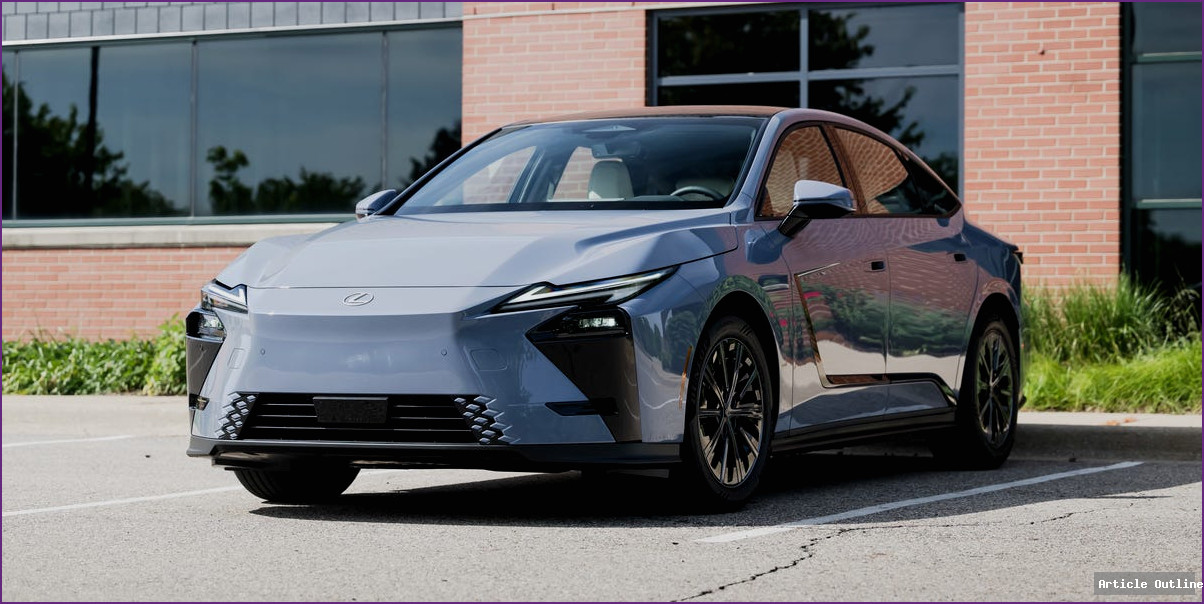
Lexus has always been about quiet luxury and reliability. With this new ES EV, the brand is betting that its core strengths—serenity, build quality, and value—will carry forward into the electric age. But the EV crowd is a tough audience, and the competition is fierce.

Why This Matters
- Electrification is disrupting luxury. The ES EV is a litmus test: can a brand built on refinement and comfort survive in an era where acceleration, software, and range dominate headlines?
- Mainstream luxury buyers are EV-curious but cautious. Lexus’s move signals that even traditional, conservative buyers are being pulled into the electric fold.
- The ES EV is about more than numbers. It’s about redefining what luxury means in the electric era—less whiz-bang, more Zen garden.
What Most People Miss
- The ES EV isn’t chasing Tesla. With 224 hp (ES350e) or 338 hp (ES500e), it’s brisk but not blistering (0-60 mph in 6.6s and 4.9s, respectively). The focus is serene, not sporty.
- Range is good—but not class-leading. EPA estimates are 276–307 miles, but real-world numbers are a bit less (230–250 miles). Rivals like the BMW i5 and Lucid Air go further and charge faster.
- Luxury, not tech overload. While the 14-inch touchscreen, wireless CarPlay/Android Auto, and available Mark Levinson audio are impressive, Lexus purposely avoids the “gadget overload” syndrome of some competitors.
- Executive rear seats with massage and ventilation are available—but at a price. Lexus is quietly targeting the chauffeured class, not just the driver.
Key Takeaways & Analysis
- Pros:
- Unmatched cabin quietness—electric power only accentuates Lexus’s signature hush.
- Refined ride and luxury materials, especially in upper trims.
- Excellent value: ES350e starts around $49k, undercutting many rivals.
- Strong safety suite: automated emergency braking, adaptive cruise, lane assist standard.
- Cons:
- Range and charging specs lag behind BMW, Lucid, and Hyundai Ioniq 6.
- Performance is adequate, but enthusiasts will be left wanting.
- Conservative styling—great for loyalists, but not for those seeking attention.
- Industry Context: The ES EV arrives just as other legacy brands (Mercedes, BMW, Hyundai) are launching their own luxury EV sedans. The market is hot—but also crowded.
- Warranty Confidence: 4yr/50k basic, 6yr/70k powertrain, and a robust 10yr/150k battery warranty. Lexus is betting on its legendary reliability to convince EV skeptics.
Quick Comparison Table
| Model | EPA Range | 0-60 mph | Starting Price |
|---|---|---|---|
| Lexus ES350e | 307 mi | 6.6 sec | $48,895 |
| Tesla Model 3 Long Range | 341 mi | 4.2 sec | $47,740 |
| BMW i5 eDrive40 | 295 mi | 5.7 sec | $67,795 |
| Hyundai Ioniq 6 | 361 mi | 5.1 sec | $42,450 |
Timeline: How Did We Get Here?
- 1989: Lexus launches with the original ES sedan—luxury, comfort, value.
- 2023–2025: Industry-wide EV push, with luxury brands scrambling to electrify lineups.
- 2026: Lexus drops the pure gas ES, launches the redesigned ES EV and hybrid only.
The Bottom Line
The 2026 Lexus ES EV is a masterclass in what Lexus does best: tranquility, comfort, and value. If you want neck-snapping acceleration or the longest range, look elsewhere. But if you crave a cocoon of calm and a familiar luxury badge, this is your EV. Lexus isn’t trying to reinvent itself—it’s simply electrifying its core DNA. For many buyers, that’s exactly what’s been missing in the EV market.