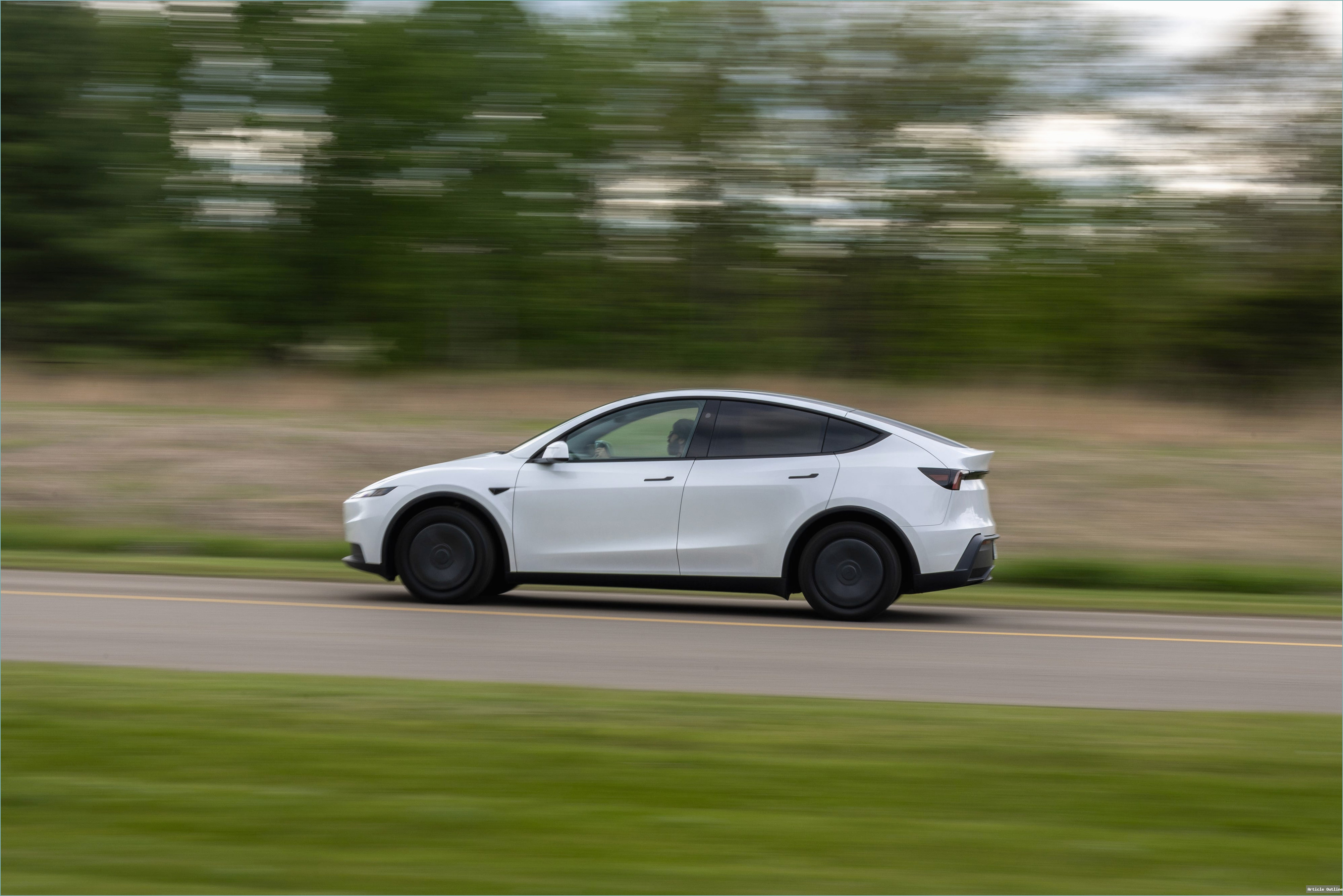
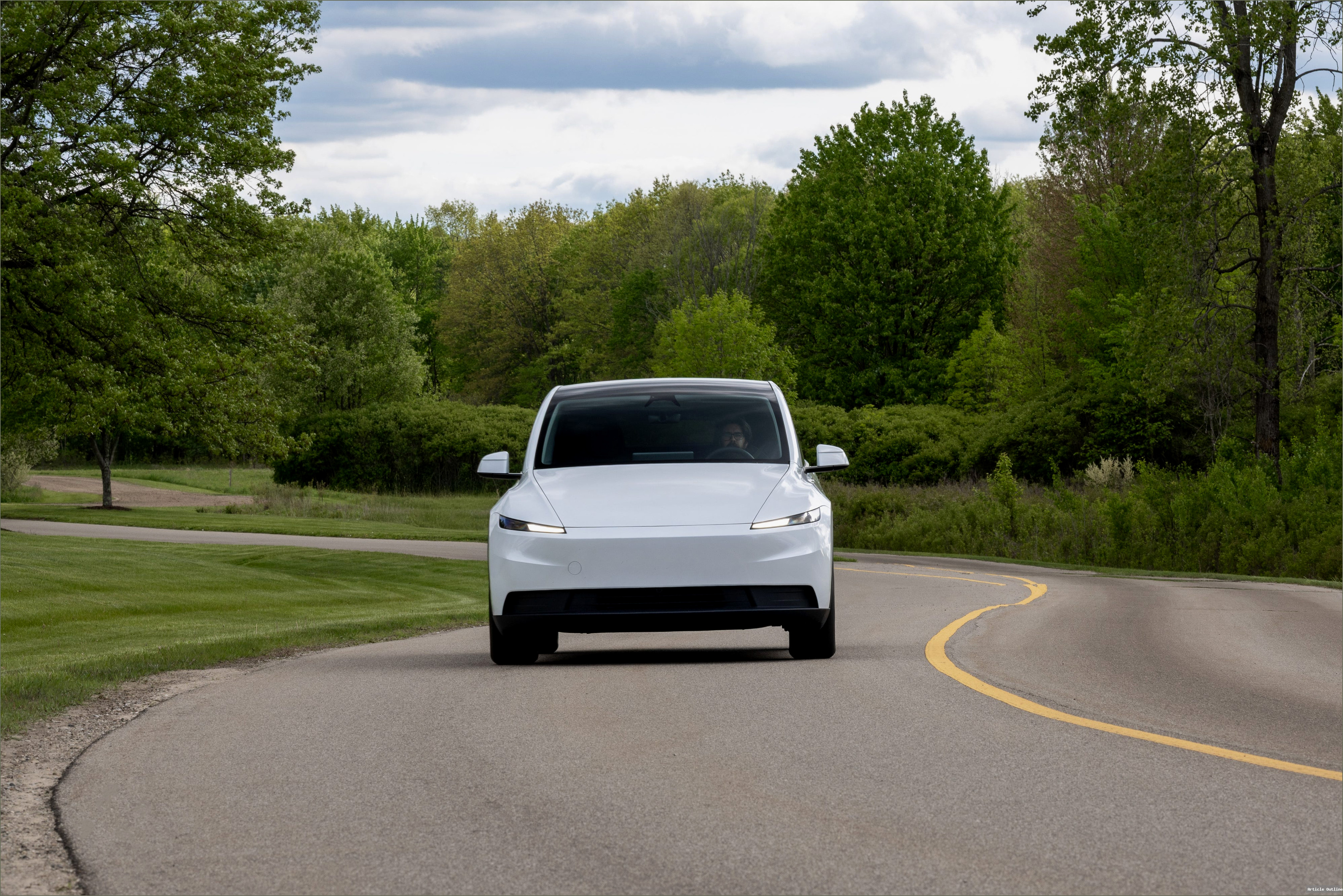
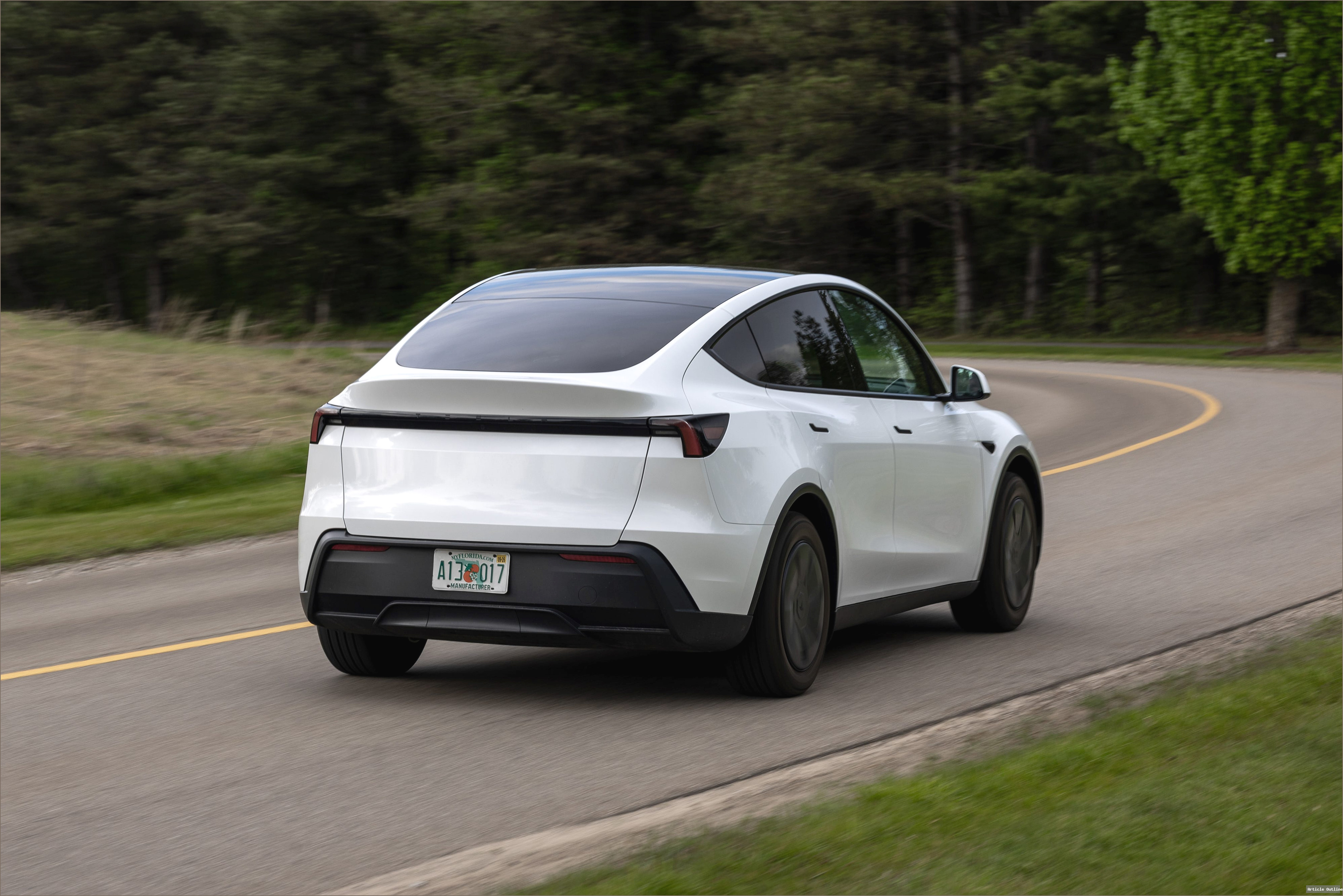
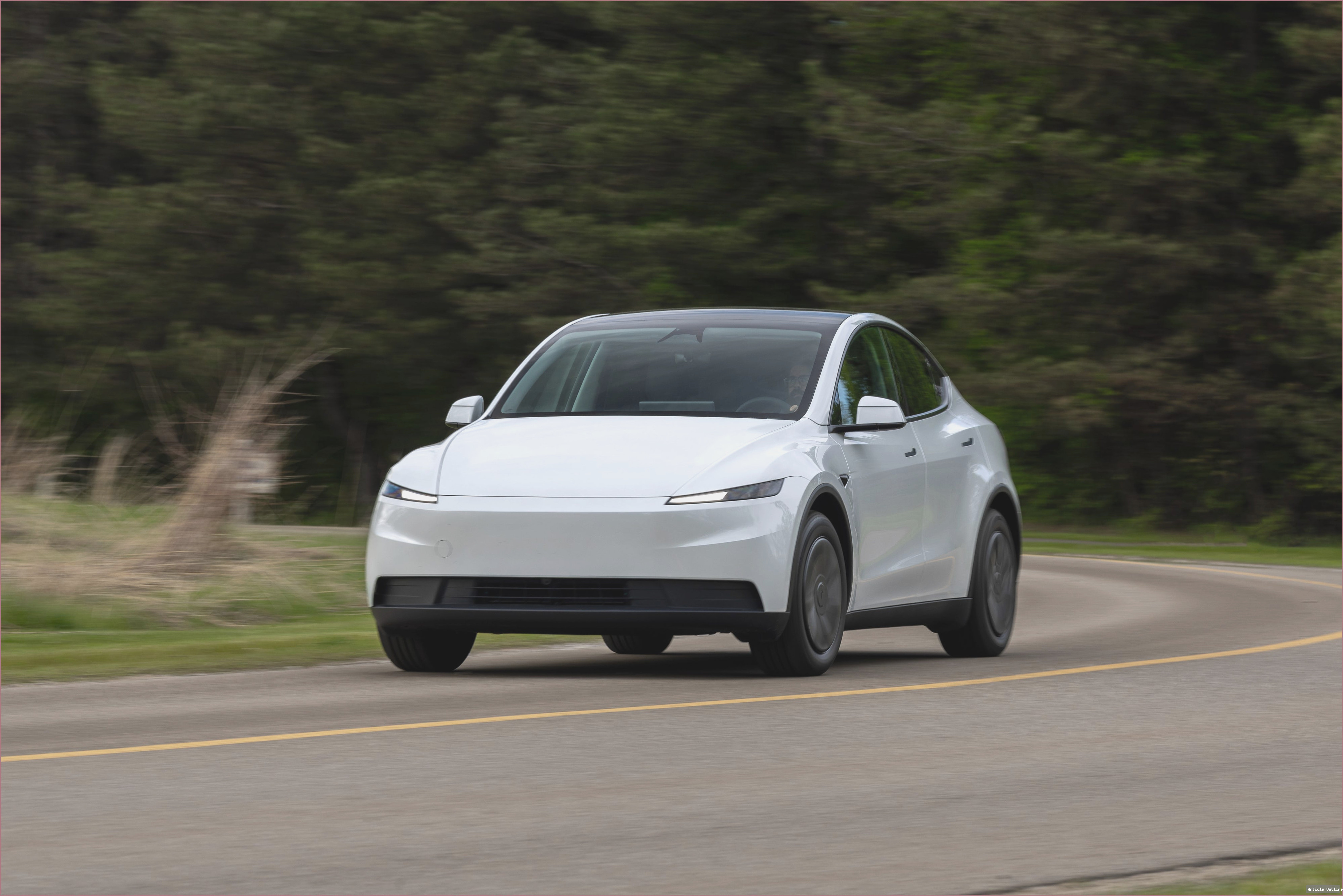
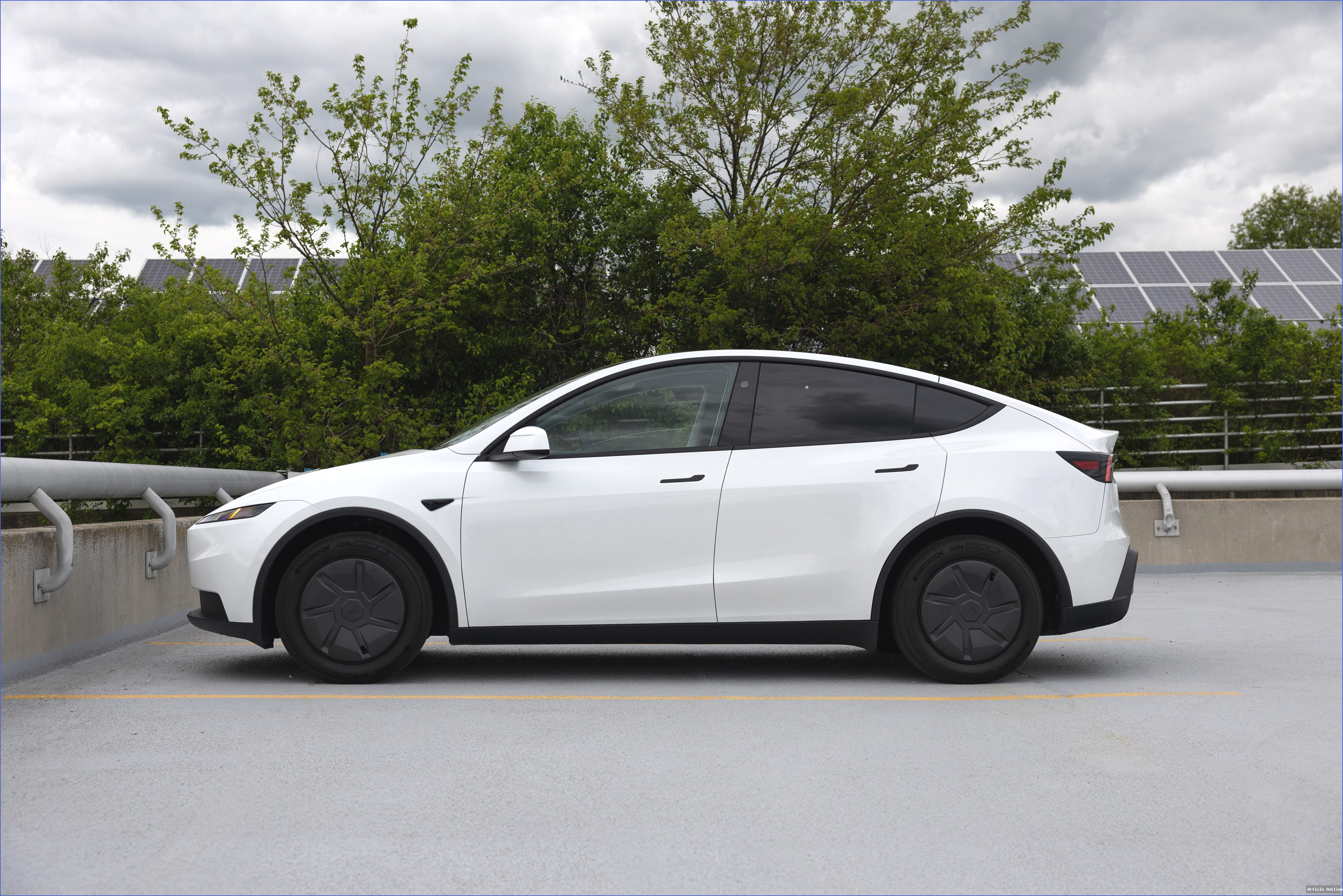
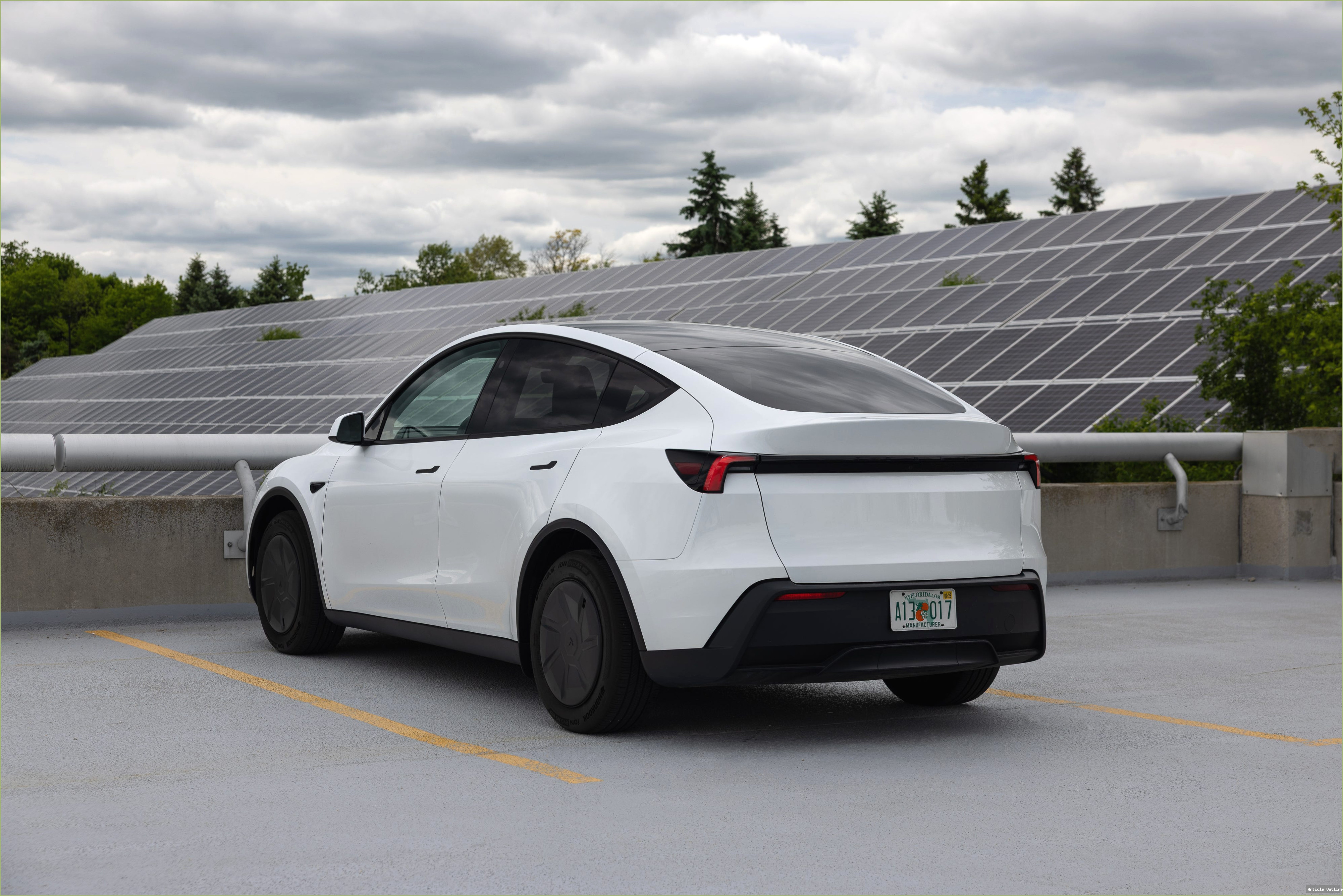
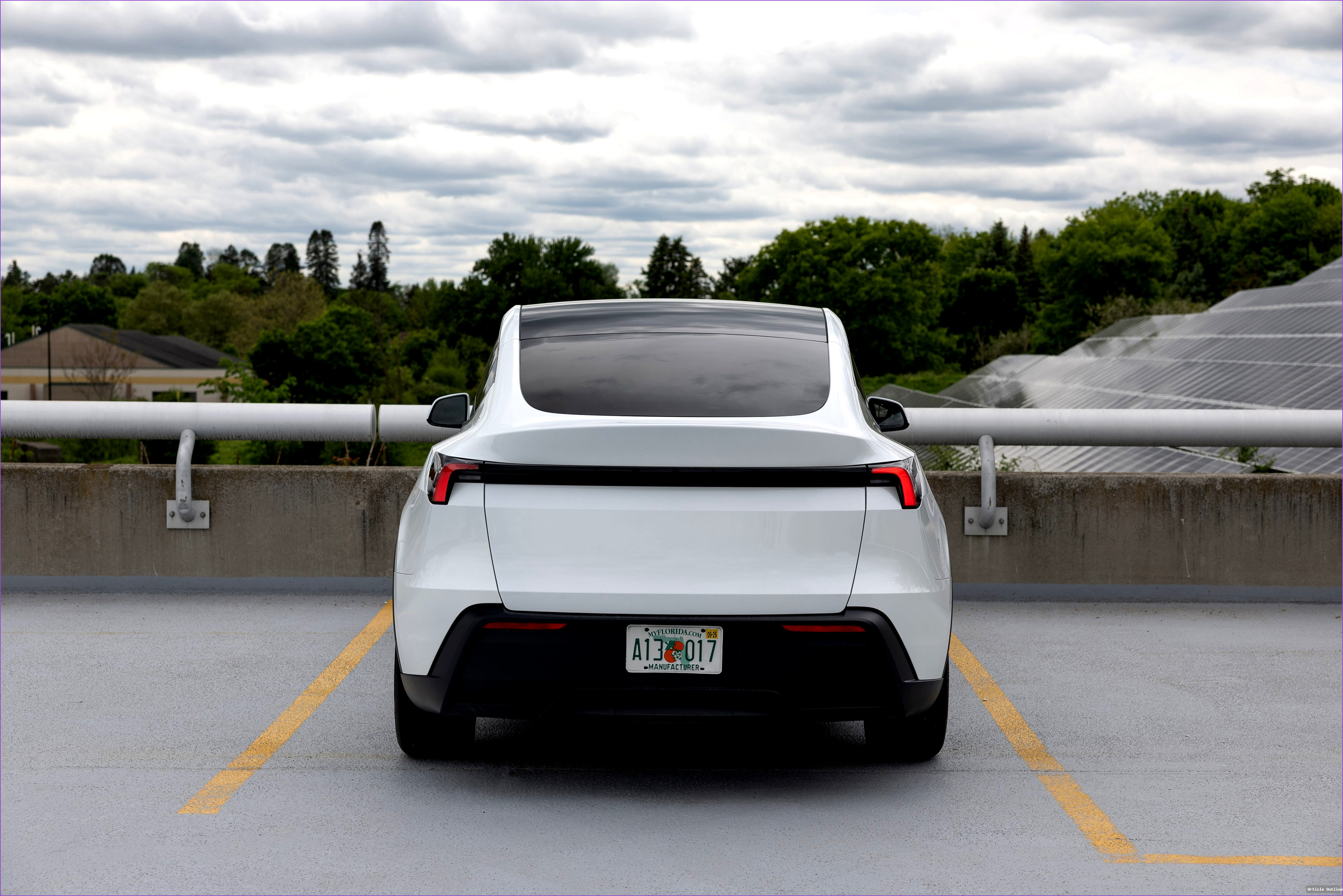
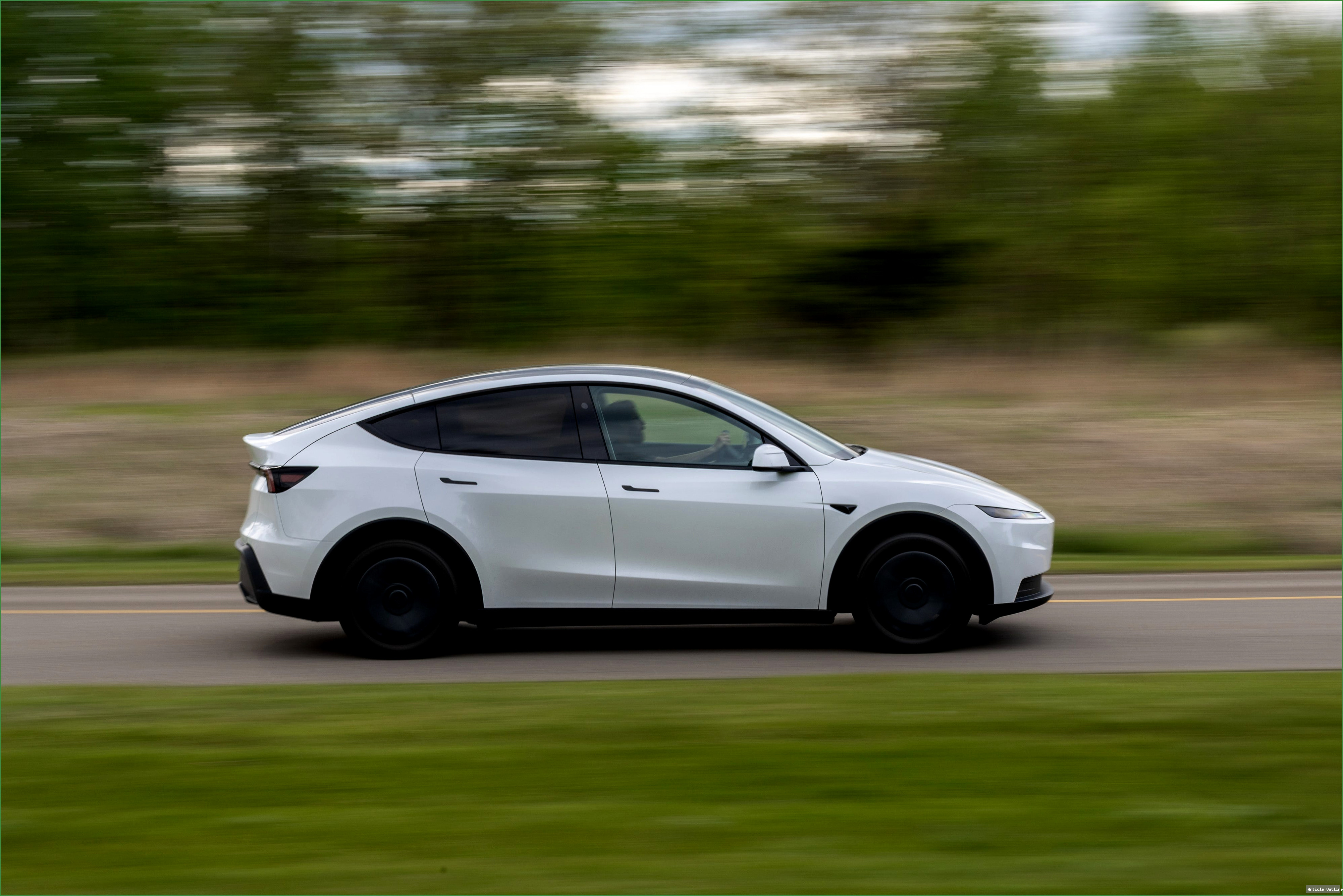
The 2026 Tesla Model Y is here and, as always, the buzz is electric—pun intended. But is this just another facelift, or does it signal real change in the world’s most popular electric SUV? Let’s dig deeper than the glossy photos to see why this new Model Y matters, what everyone’s missing, and how it fits into the rapidly evolving EV landscape.
Why This Matters
- Tesla’s Model Y is the world’s best-selling EV. Each update ripples through the industry and shapes consumer expectations.
- The 2026 model’s subtle refinements reflect a maturing EV market—one where design, range, and value are just as important as early adopter novelty.
- A competitive base price ($41,630) and a healthy 321-mile EPA range signal Tesla’s ongoing push to balance affordability and desirability.
What Most People Miss
- Name confusion isn’t accidental. Tesla’s shift from “Standard” to simply “Rear-Wheel Drive” mirrors Apple’s naming playbook: keep it simple, keep people guessing, and keep the conversation going.
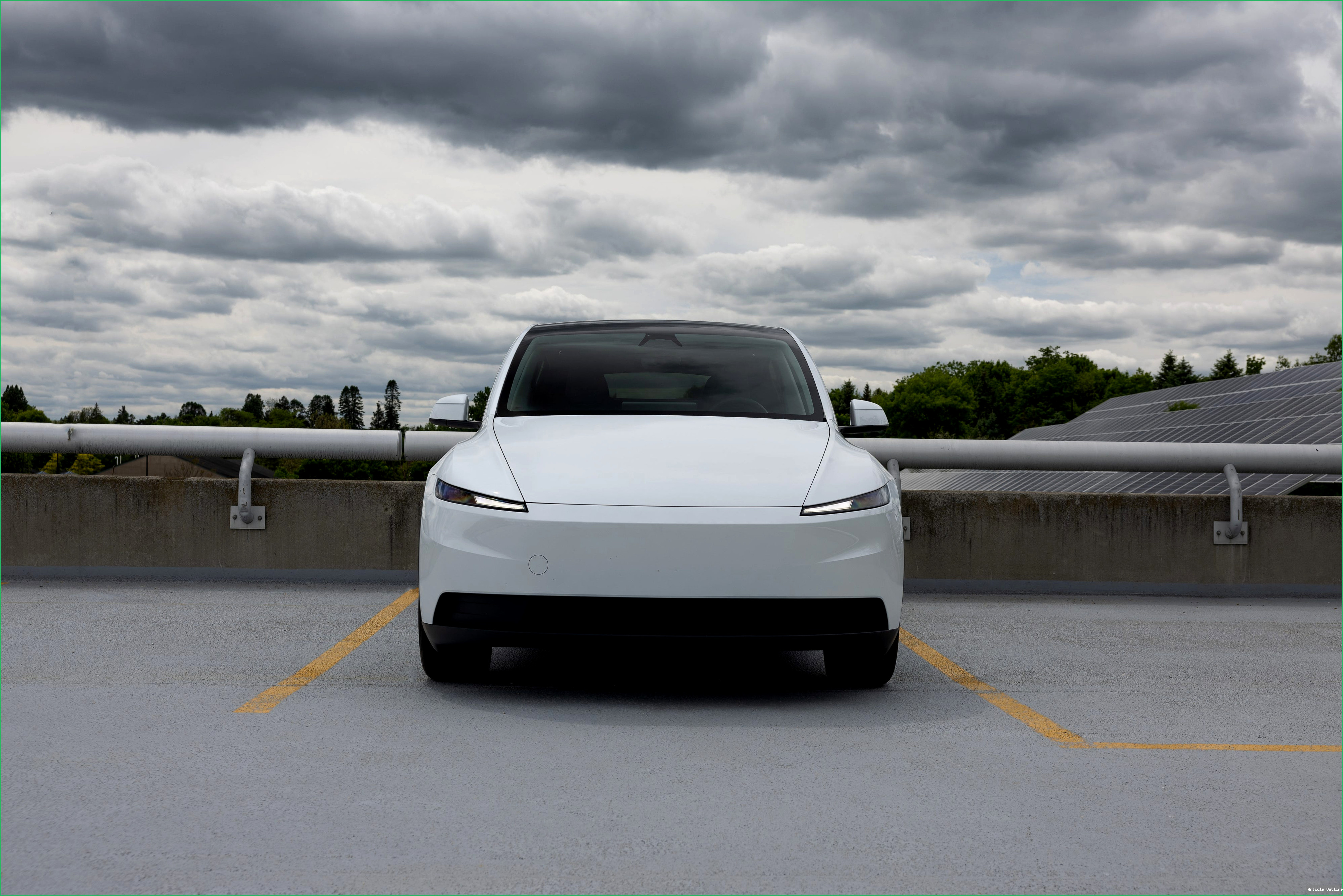
- Design tweaks are evolutionary, not revolutionary. Many expect dramatic changes, but Tesla’s focus is on iterative improvement—think software updates, but for hardware. This is classic Tesla: polish what works, don’t fix what isn’t broken.
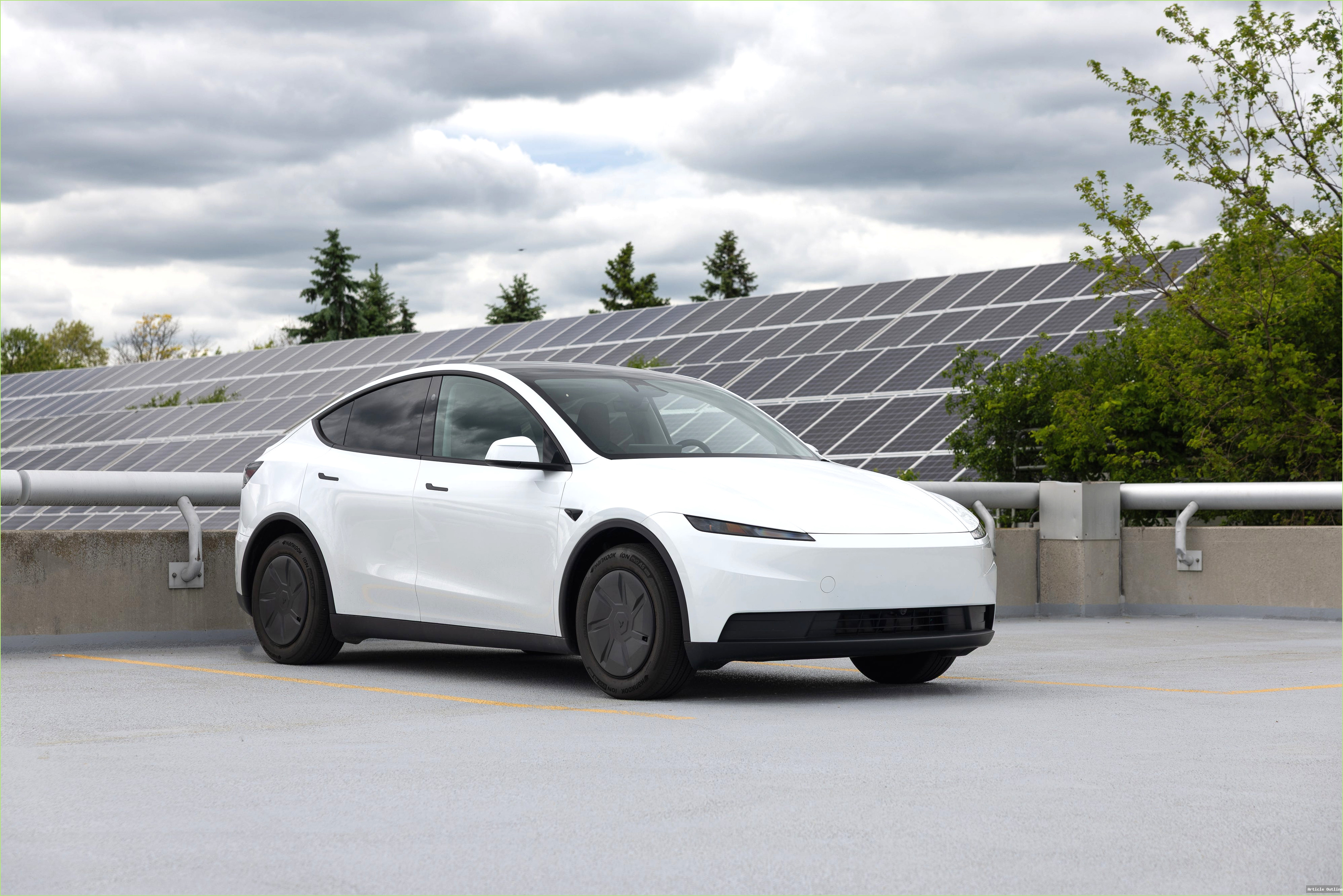
- The $1,000 upcharge for Pearl White paint is a subtle nod to luxury-brand tactics. While it feels like a small detail, it’s a powerful reminder that Tesla straddles the line between mass-market and premium appeal.
Key Takeaways & Expert Analysis
- Performance: The rear-wheel drive model packs a 300-horsepower punch. That’s more than enough for the average commuter or family, and competitive with gas-powered rivals like the Toyota RAV4 Prime (302 hp).
- Range Anxiety? Not Here: 321 miles EPA-rated range keeps Tesla ahead of most competitors in the $40-$45k price bracket. For comparison, the Hyundai Ioniq 5’s RWD variant hovers around 303 miles.
- Price/Value: With a $41,630 base, Tesla undercuts the Ford Mustang Mach-E and Volkswagen ID.4 on range-per-dollar—though the price can climb quickly with options.
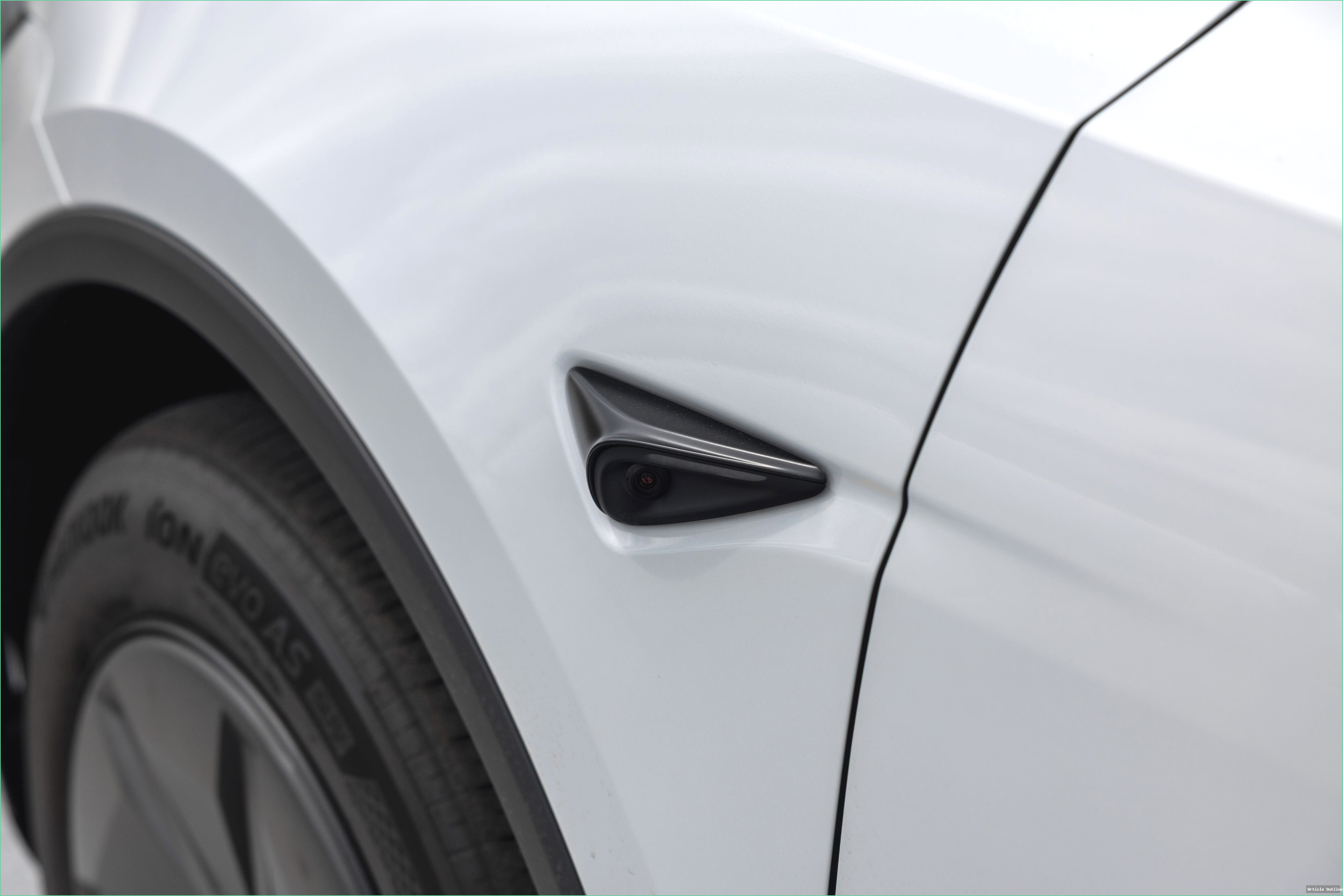
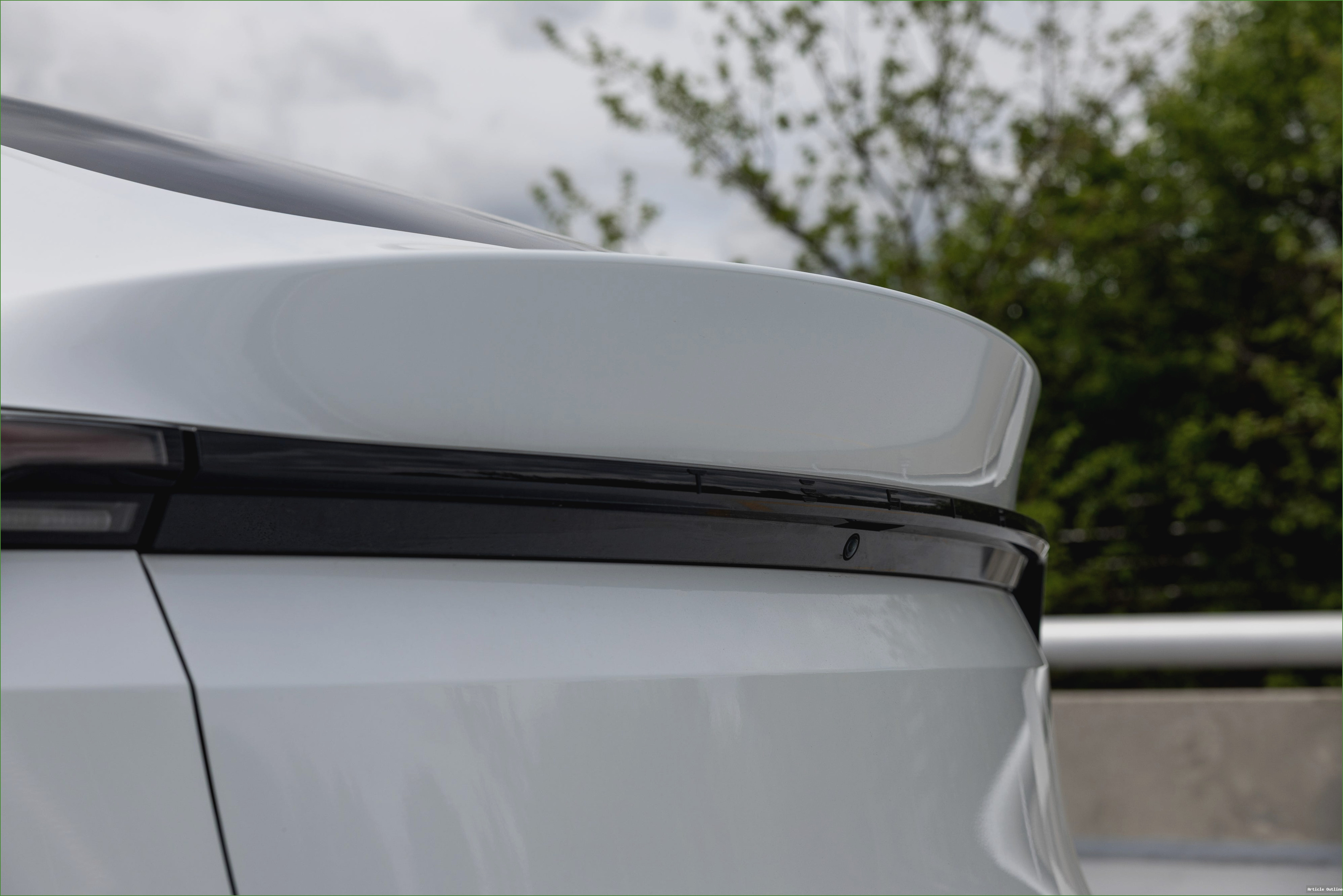
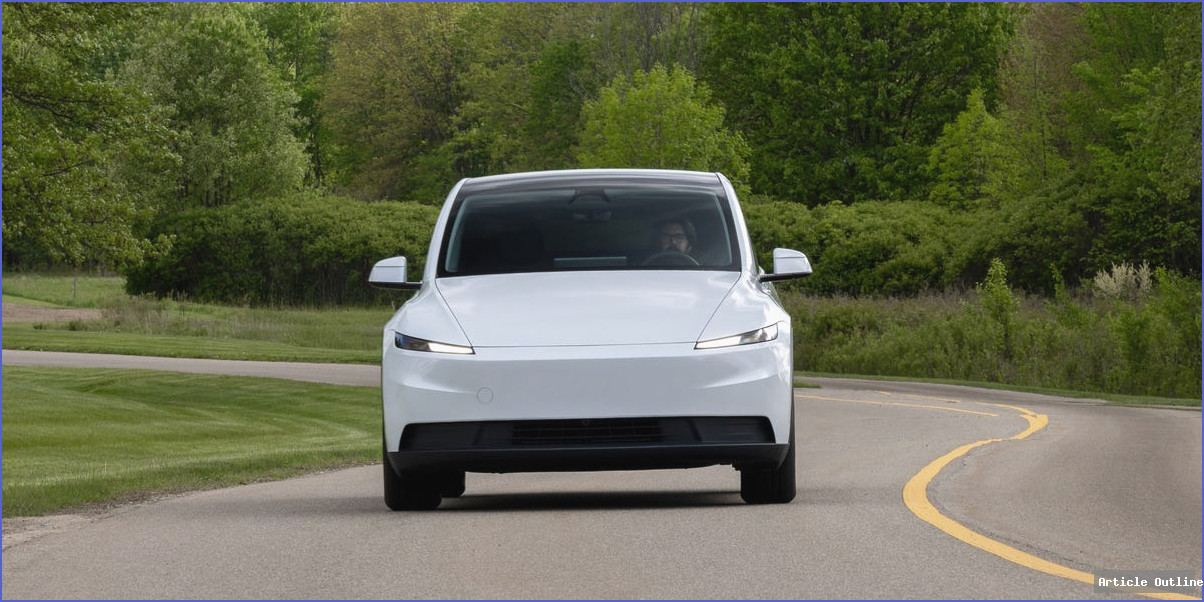
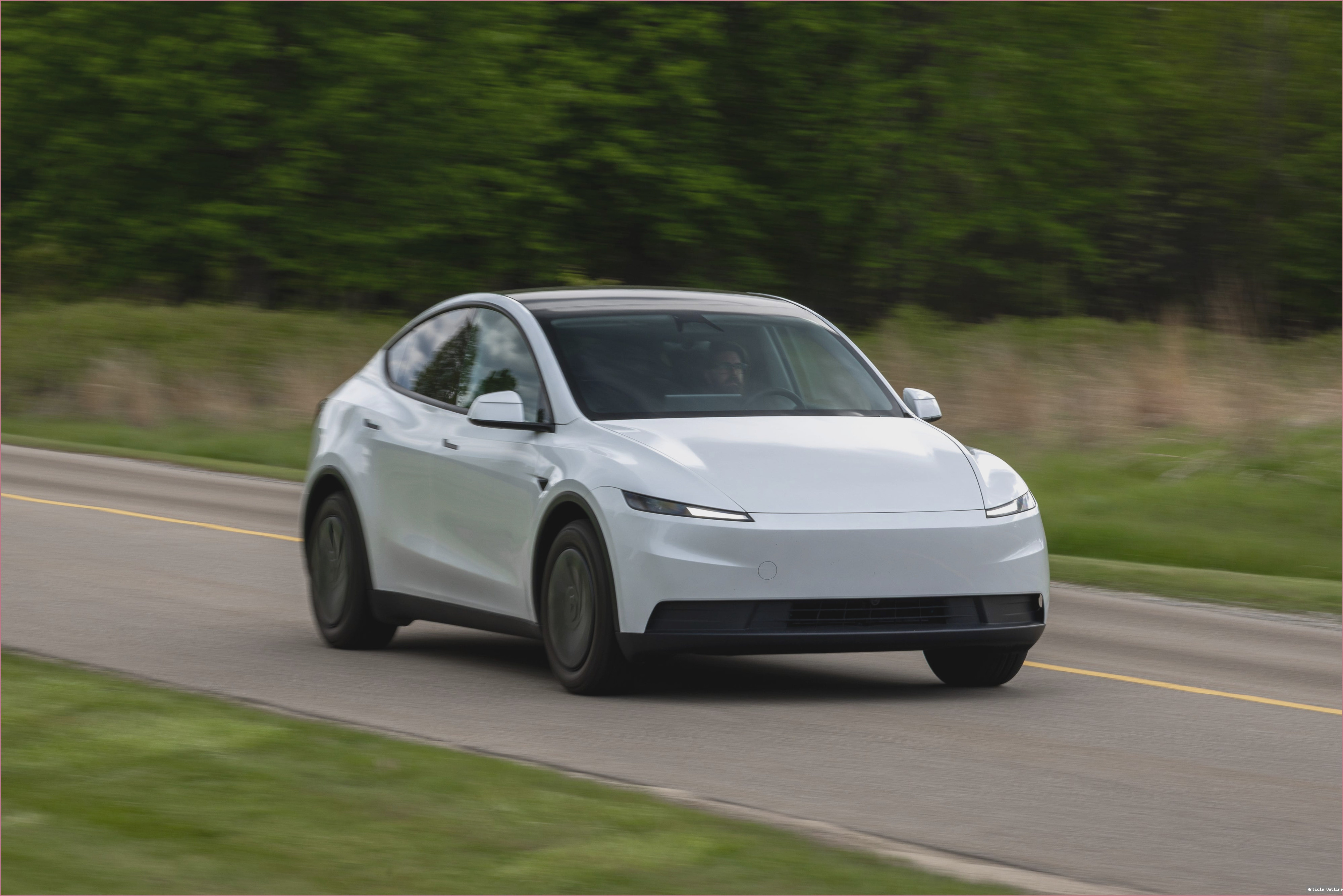
- Exterior Styling: If you blink, you might miss what’s new. But that’s intentional: Tesla wants its cars to look instantly familiar, even as they subtly sharpen the lines and tweak the details.
Industry Context & Practical Implications
- Tesla’s lead in EV range and charging infrastructure is still unchallenged. With over 50% of US EV sales in 2023, Tesla is the Goliath every other automaker is chasing.
- The Model Y’s steady, incremental upgrades reflect a new phase for EVs: Less about wild innovation, more about reliability, refinement, and mass adoption.
- If you’re considering an EV in 2026, the Model Y’s strong residual values and robust Supercharger network remain major selling points.
Pros and Cons
- Pros:
- Market-leading range for the price
- Instant brand recognition and strong resale
- Continuous over-the-air updates
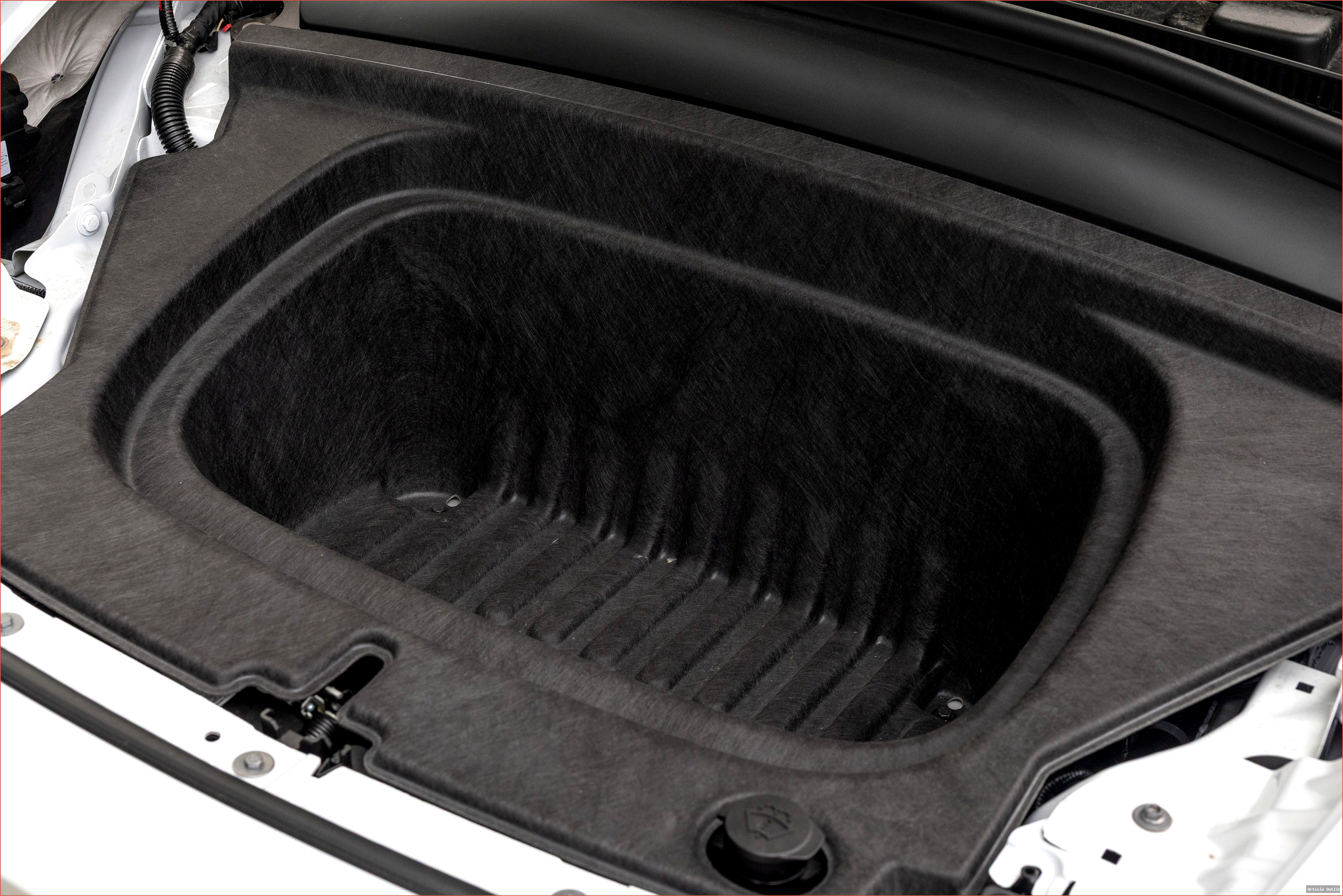
- Spacious interior and cargo room
- Cons:
- Base paint color upcharge feels stingy
- Exterior changes are minimal—less excitement for those hoping for something bold
- Infotainment and interior design remain polarizing
The Bottom Line
The 2026 Tesla Model Y might look familiar, but don’t mistake subtlety for stagnation. Tesla’s strategy is clear: keep refining, keep leading, and make every detail—from horsepower to paint color—part of the story. For buyers, it’s a reminder that the best-selling EV isn’t resting on its laurels. For the industry, it’s a warning: the EV game is now about execution, not hype.
Sources: