The 2027 Audi Q9 isn’t just another SUV—it’s the brand’s boldest leap into the future of luxury interiors, with tech and design choices that go well beyond the expected. If you thought three-row SUVs had become predictable, think again. The Q9’s cabin is Audi’s statement that the premium family hauler can be both a tech showpiece and a comfort sanctuary.
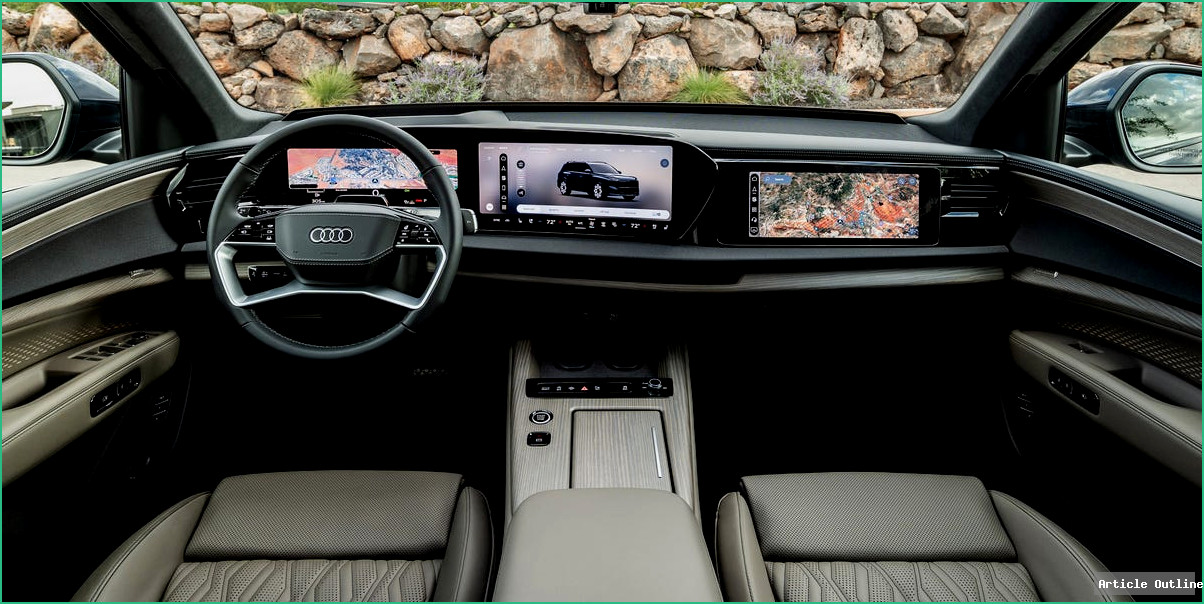
Let’s break down why the Audi Q9 interior deserves your attention—and what it means for the future of the luxury SUV market.
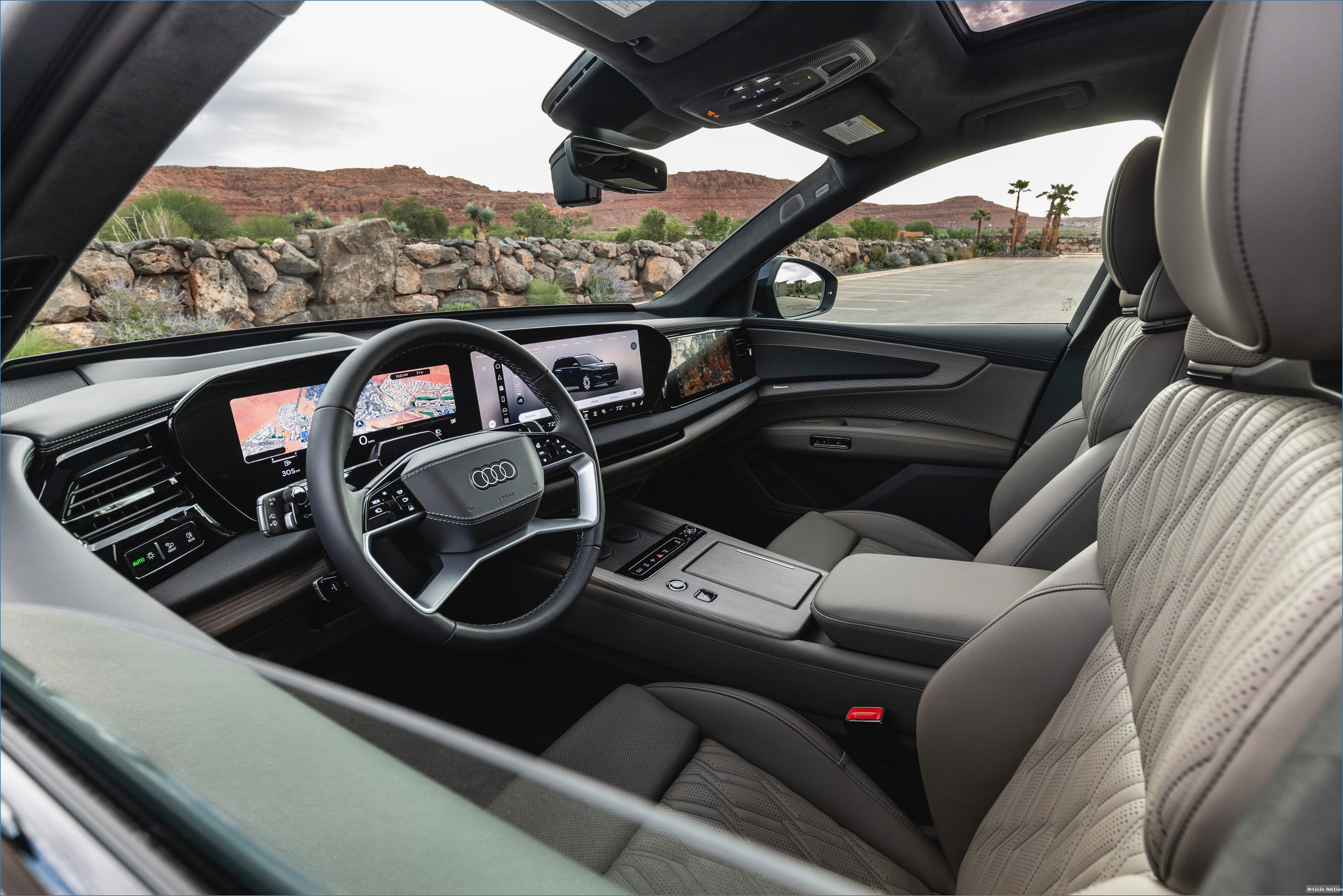
Why This Matters
- Audi is doubling down on tech integration—the Q9 dashboard hosts up to three displays, signaling a new era where screens are as important as engines.
- Three-row seating as standard is a direct challenge to rivals like the BMW X7 and Mercedes GLS, both of which offer third rows but not always as standard or as luxuriously executed.
- Wireless charging, multifunction controls, and unique design cues point to Audi’s intent to blend innovation with everyday practicality—a must in the family luxury segment.
What Most People Miss
- The Q9’s focus on screens isn’t just about flash; it’s about future-proofing. As vehicles become increasingly software-driven, Audi is laying the groundwork for over-the-air updates, customizable displays, and even potential subscription features down the road.
- The novel multifunction stalk is a small but telling detail—Audi is rethinking driver interaction, taking cues from both aviation and modern EVs. This could influence the next wave of interior ergonomics across the industry.
- Wireless device charging in the center console isn’t just convenience—it’s a sign that Audi expects smartphones and mobile tech to play an even bigger role in how we interact with our cars, from car keys to infotainment personalization.
Key Takeaways: Audi Q9 vs. The Competition
- Tech-first approach: The Q9’s trio of screens edges ahead of most rivals, even outshining the Mercedes GLS’s dual displays and BMW X7’s curved screen setup.
- Standard three-row seating: A direct appeal to large families, with an interior likely to match or exceed the spaciousness of its German competitors.
- Attention to small details: From the multifunction stalk to wireless charging, Audi’s focus on both driver and passenger convenience is clear.
- Design language: Expect clean lines, ambient lighting, and materials that blend classic Audi luxury with futuristic touches.
Industry Context & Broader Implications
- The Q9 signals a shift in the luxury SUV market—brands are no longer just competing on horsepower or badge prestige, but on interior tech and multi-sensory experiences.
- Globally, three-row luxury SUVs are surging in popularity, especially in North America and China. Audi’s Q9 is entering a hot market, aiming for buyers who want both space and spectacle.
- Expect this tech-heavy interior approach to filter down to other Audi models and influence rivals’ future designs.
Timeline: Evolution of Audi Interiors
- 2015–2019: Audi’s Virtual Cockpit sets a new standard for digital gauge clusters.
- 2020–2023: Dual-screen MMI systems become the norm in higher-end models.
- 2027: Q9 introduces triple-screen setup and new control concepts for maximum digital integration.
Pros & Cons Analysis
- Pros:
- Class-leading in-cabin tech
- Spacious, versatile interior
- Luxury touches and future-ready features
- Cons:
- Potential for tech overload—will some drivers miss tactile controls?
- With so much tech, long-term reliability and update support become critical
The Bottom Line
The 2027 Audi Q9 interior isn’t just a preview of what’s next for Audi—it’s a sneak peek at where the whole luxury SUV segment is heading. Expect more tech, more comfort, and more ways for your car to feel like an extension of your digital life. For families, tech lovers, and anyone who wants their ride to impress, the Q9 is setting a new bar. The only question: how soon will the rest catch up?