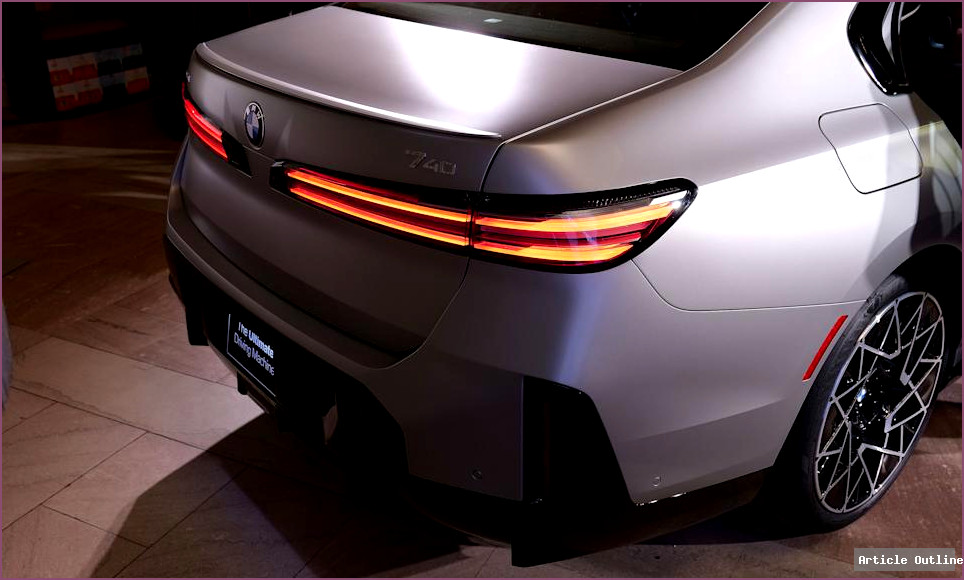
The 2027 BMW i7 isn’t just another electric car—it’s a rolling showcase of what happens when German engineering collides with Silicon Valley ambition. If you thought the golden age of luxurious executive sedans was over, BMW’s latest i7 may make you think again. But here’s the twist: this tech-laden marvel is as much about exclusivity as it is about innovation, and that says a lot about where the automotive world is heading.
Why This Matters
- The luxury EV market is shrinking, not growing. With Tesla’s Model S and Mercedes’ EQ line on the way out, BMW’s i7 is one of the few left standing. This isn’t just a new car; it’s a statement that BMW refuses to let go of the executive sedan—even as the world pivots to SUVs and crossovers.
- The i7 isn’t just about performance; it’s about redefining in-car technology. From a 31-inch 8K Theater Screen to seven digital displays and “shy tech” haptic controls, BMW is betting that the future of luxury is digital immersion, not just horsepower.
- It’s a car for the 1%—and that exclusivity shapes the entire market. With a starting price north of $105,000, the i7 is out of reach for most. But the tech it pioneers often trickles down to more accessible models over the next decade.
What Most People Miss
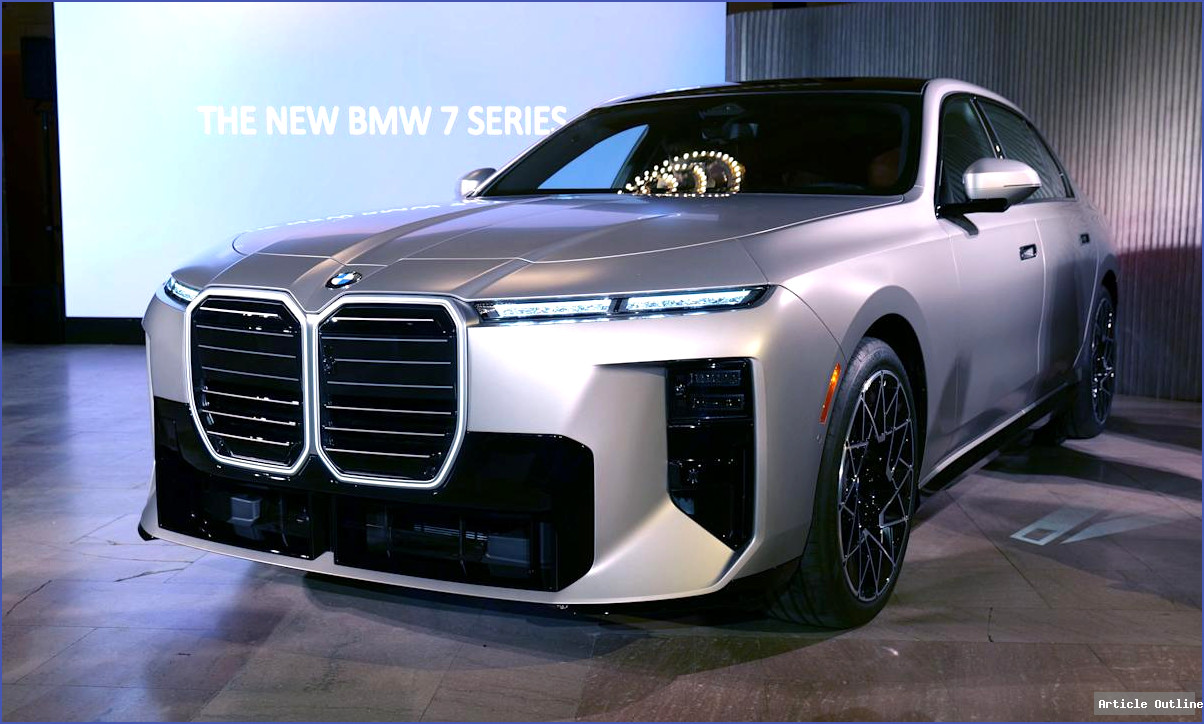
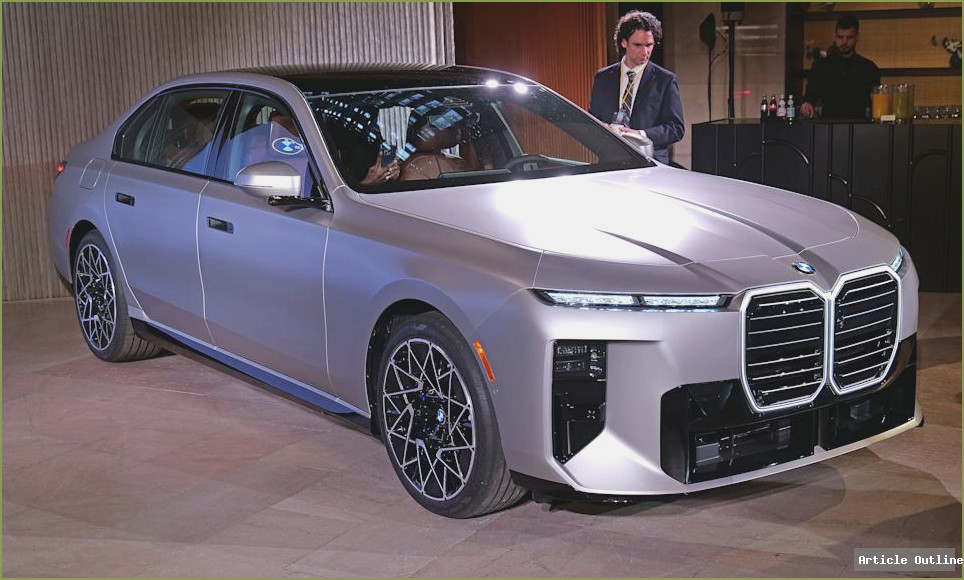
- Unified design across powertrains: BMW’s strategy to make its gas, hybrid, and electric 7 Series models nearly indistinguishable on the outside isn’t just aesthetic. It’s a clever move to ease the transition for buyers who are EV-curious but still hesitant, while futureproofing the lineup as regulations tighten.
- Faster charging, but not fastest: While the i7 now supports 250kW charging (up from 195kW), its 400V system still lags behind the 800V architectures in some rivals (think Porsche Taycan). Expect even more rapid charging tech in the next few years.
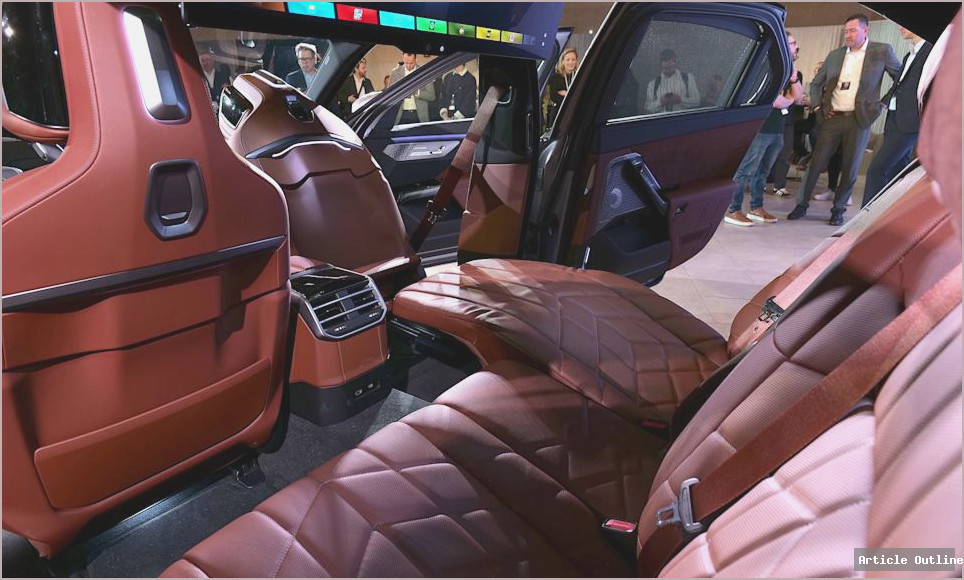
- Focus on digital experience over raw driving thrills: The i7’s massive screens, Bowers & Wilkins 4,000-watt sound, and HDMI/game controller support signal a shift: BMW knows its customers may spend as much time being driven as driving. The backseat is now a digital lounge, not just a luxury bench.
Key Takeaways
- Specs That Impress: Up to 680hp (i7 M70), 112.4kWh battery, 0–80% charge in ~28 minutes, over 350 miles of range (i760, BMW estimate).
- Gadget Heaven: Seven displays, including the headline 31-inch 8K drop-down screen with webcam and gaming support; full HDMI input for true multimedia flexibility; and “shy tech” haptic controls for a futuristic feel.
- Luxury, Reimagined: Executive seating mode with a footrest, 36-speaker Bowers & Wilkins audio, and four years of BMW Digital Premium service included.
- Price and Positioning: Starts at $105,750 for the i750 xDrive and ramps up from there—squarely targeting tech-obsessed CEOs, not your average commuter.
Comparisons & Industry Context
- With the Tesla Model S and Mercedes EQS stepping aside, the i7’s main rivals are the Lucid Air, Cadillac Celestiq, and the Porsche Taycan. Each brings unique strengths, but BMW’s focus on in-car tech and unified design sets it apart.
- The new i7 debuts BMW’s Neue Klasse design language in the US—a preview of what’s coming to the rest of BMW’s lineup. If you want to see BMW’s future, look here first.
Pros & Cons
- Pros:
- Unmatched in-car technology and connectivity
- Impressive performance and range for its class
- Flexible interior for both drivers and chauffeured passengers
- Cons:
- Exorbitant pricing keeps it out of reach for most
- 400V charging architecture, while improved, is no longer cutting-edge
- Some may find the tech overload distracting or excessive
The Bottom Line
BMW’s 2027 i7 isn’t just a car—it’s a tech statement on wheels, built for those who want to lead, not follow. It’s also a glimpse into the digital-first, luxury-driven future of cars—a future that, for now, only the 1% can truly access. But rest assured: the features making their debut here will shape the cars we all drive (and ride in) for years to come.
Sources: