The 2027 BMW X5 isn’t just another refresh—it’s a bold leap into a digital, handle-less future that may thrill some buyers and perplex others. BMW’s mid-size luxury SUV, always a cornerstone of the brand’s sales, now showcases radical changes in both style and tech, daring to challenge the segment’s conventions.
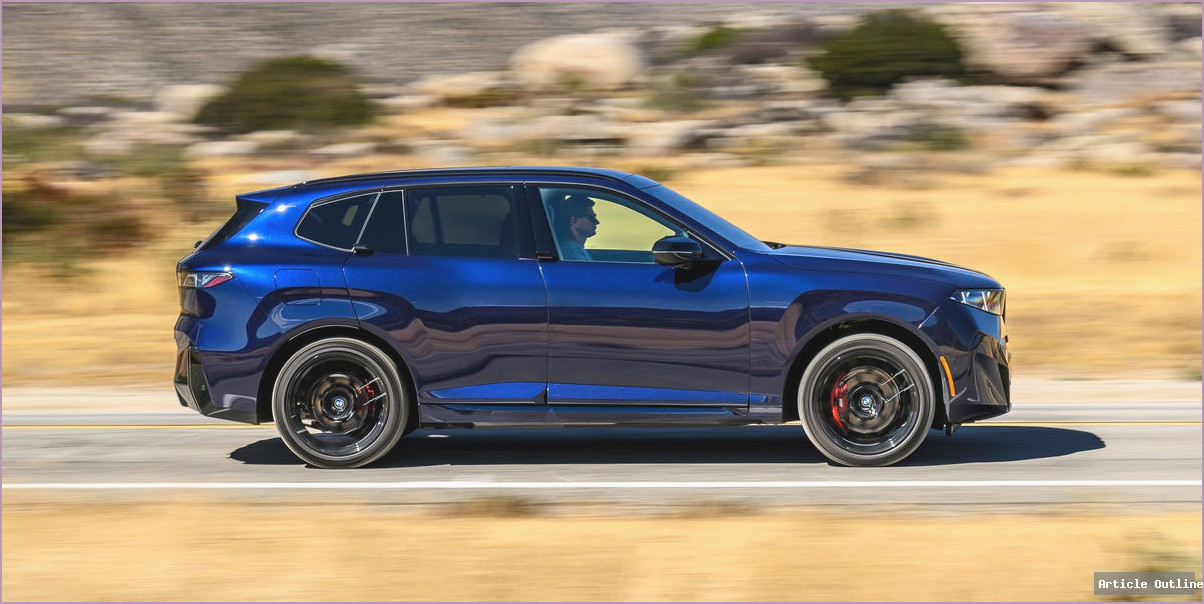
From innovative haptic door “handles” to a dashboard that’s more spaceship than family hauler, the new X5 is visually and functionally distinct. But as BMW pushes boundaries, buyers are left to decide if these advances are truly improvements or just flashy distractions.

Why This Matters
- BMW is setting the tone for luxury SUV tech. The X5’s shift to digital-first controls and minimalist physical interfaces will likely influence rivals like Mercedes and Audi.
- The balance between innovation and usability is at stake. Automakers are in a race to out-tech each other, but the risk of alienating traditional buyers is real.
- Sustainability is quietly in play. With new electric and hydrogen versions, BMW is hedging against future regulation and evolving buyer demands.
What Most People Miss
- Handleless doors are more than a gimmick: They streamline aerodynamics and could improve efficiency by reducing drag, albeit by a small margin. But, they may also raise repair costs and complicate emergency access.
- The Panoramic Vision display isn’t just about digital wow-factor: It’s a preview of how BMW plans to integrate AI and augmented reality into daily driving. The animated voice assistant is only the tip of the iceberg.
- Loss of physical buttons is polarizing for a reason: Studies show drivers take longer to operate touch-only systems, potentially increasing distraction and reducing safety.
- No third-row seat: BMW is drawing a hard line between the X5 and X7, forcing buyers needing 6+ seats to size up.
Key Takeaways
- Performance stays true to BMW DNA: The 394-hp turbo inline-six and available electrified powertrains deliver both punch and refinement, with 0-60 times under 5 seconds for the 40 xDrive model.
- Luxury, but with a learning curve: The cabin is plush, but controlling simple functions like air vents or seat heat now often requires multiple taps and menu dives.
- Pricing is up, but so is tech: Starting at $71,250, the X5 is pricier but better equipped. Still, the added complexity may not appeal to all traditionalists.
- Competitors like the Audi Q7 and Mercedes GLE still offer three rows and more conventional controls, which could sway family buyers.
Timeline: BMW X5 Tech Evolution
- 2010s: Standard physical buttons, simple analog dials.
- 2020: Introduction of larger touchscreens and iDrive evolution.
- 2024: Neue Klasse design language debuts in iX3 and 3-Series.
- 2027: Full embrace of digital, haptic, and AI control systems in X5.
Pros and Cons
- Pros:
- Refined, quiet ride with classic BMW athleticism
- Innovative tech and future-ready interface
- Broader powertrain choices—including electric and hydrogen
- Cons:
- Steeper learning curve for new controls
- No third-row option limits family versatility
- Potentially distracting screen overload
Expert Commentary
“BMW’s bet on digital-first luxury is bold, but the risk is real: there’s a fine line between cutting-edge and user-unfriendly. For drivers who grew up on iDrive knobs and simple climate buttons, the 2027 X5 could feel like too much, too soon. But for tech enthusiasts, it’s a tantalizing glimpse of the future.”
The Bottom Line
The 2027 BMW X5 is not for the nostalgic. It’s a showcase of where BMW (and likely the luxury SUV market) is headed: more digital, more daring, and more divisive. For those willing to embrace its learning curve, the rewards are considerable—top-notch performance, comfort, and a feature set that’s arguably ahead of its time. For everyone else, well, the X7 or an Audi Q7 might feel like home.