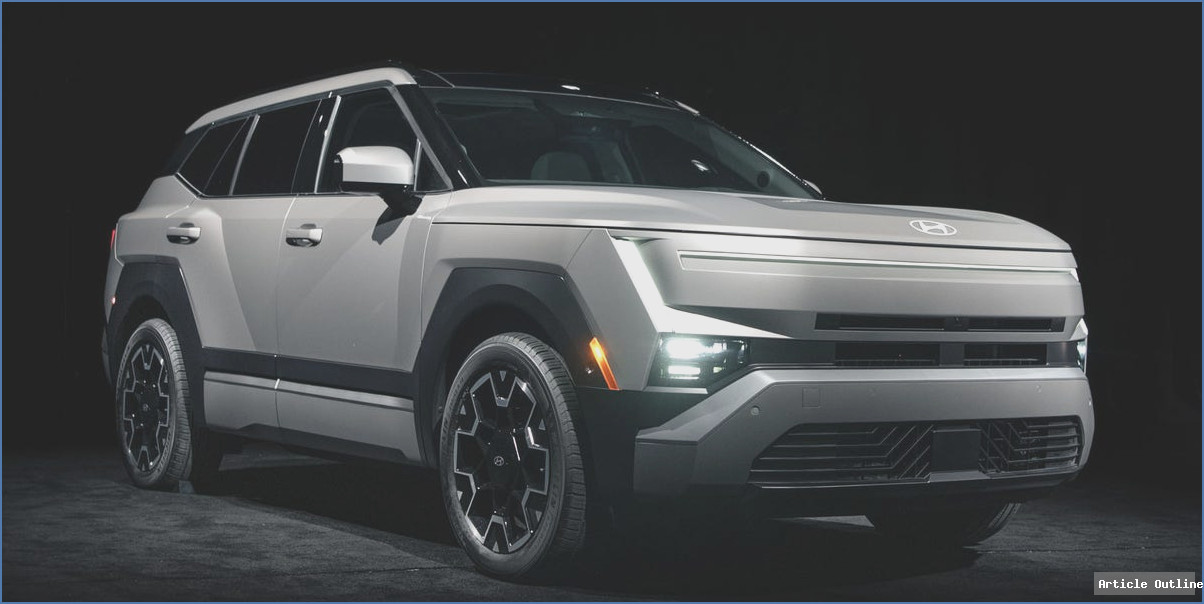
The 2027 Hyundai Tucson Hybrid isn’t just another routine refresh—it’s a statement of intent in the ever-fierce compact hybrid SUV market. As rivals like the Honda CR-V Hybrid and Toyota RAV4 Hybrid continue to dominate, Hyundai is betting big on bold design, enhanced practicality, and a tech-forward interior to shake up the status quo.
Let’s dig deeper than the spec sheet, break down why this new Tucson Hybrid matters, and unpack what most folks might miss in the headlines.

Why This Matters
- Shifting the Hybrid Mainstream: Compact SUVs are America’s family haulers. A compelling hybrid offering from Hyundai pushes the entire segment toward greater efficiency and tech-savvy design.
- Design Disruption: Hyundai ditches the old smooth curves for a blocky, “brutalist” look—signaling the start of a new style era. Expect copycats if this gamble pays off.
- Tech Leap: With AI-powered voice controls and a massive touchscreen, the Tucson Hybrid aims for a digital experience on par with luxury brands, not just typical mainstream fare.
What Most People Miss
- No Plug-In Option for the U.S. While Europe will enjoy a Tucson PHEV, American buyers get only the standard hybrid or gasoline models. This is a major strategic choice—Hyundai’s betting that most shoppers aren’t ready to plug in just yet.
- Real Towing Power: The AWD Tucson Hybrid can tow up to 3,000 lbs—a full 1,000 lbs more than the previous model, and it absolutely crushes the CR-V Hybrid’s 1,000-lb max. That’s a real-world utility leap most buyers won’t expect from a hybrid.
- Stay Mode: This clever feature lets you run AC, infotainment, and charge devices on battery power alone while parked—perfect for road trips, tailgates, or just escaping the summer heat while waiting in the car.
Key Takeaways and Comparisons
- Powertrain: 1.6L turbo four-cylinder + two electric motors, 233 hp, 280 lb-ft torque.
- Fuel Economy: Hyundai targets 42 mpg combined (FWD, 17-inch wheels)—if achieved, that’s neck-and-neck with the CR-V Hybrid and slightly ahead of the RAV4 Hybrid.
- Acceleration: 0-60 mph in 8.5 seconds—quicker than the standard Tucson, but slower than the Civic Hybrid (7.1 sec).
- Interior Upgrades: Minimalist dash, column-shift freeing up console space, available front-seat massage, 12.9-inch standard/17-inch optional touchscreen, triple-zone climate, and smarter device charging.
- Safety: Automated emergency braking, lane keeping, and new Memory Reversing Assist (remembers your reverse path—a boon for tight parking situations).
- Warranty: Hyundai’s famous 10-year/100,000-mile powertrain and hybrid component coverage—an industry standout.
Industry Context & Trends
- Hybrid SUVs Are Booming: U.S. hybrid sales hit record highs in 2023 and are expected to keep rising as buyers seek fuel savings without EV range anxiety.
- Growing Tech Expectations: Features like AI voice assistants and massive touchscreens—once reserved for luxury—are now demanded in mainstream models. The Tucson Hybrid’s tech suite is a direct response to this shift.
- Design as Differentiator: With EVs and hybrids converging on similar performance, bold styling is becoming a key selling point. Hyundai’s blocky look could set new trends, just as their “Parametric Dynamics” design did on the last Tucson.
Pros and Cons
- Pros:
- Class-leading towing (AWD)
- Genuinely upscale interior tech
- Bold, distinctive design
- Long warranty coverage
- Cons:
- No PHEV for U.S. buyers
- Acceleration lags behind some rivals
- Front-wheel-drive model’s tow rating still unknown
Action Steps & Practical Implications
- If you want a hybrid SUV for towing, put the Tucson at the top of your list.
- If plug-in options matter, you’ll need to look elsewhere (CR-V, RAV4, or Ford Escape PHEV).
- Tech lovers and style-seekers will find the Tucson Hybrid’s digital dash and bold exterior highly appealing.
- Watch for official EPA numbers and real-world tests before making your final call, but the early specs look promising.
The Bottom Line
The 2027 Hyundai Tucson Hybrid isn’t just a facelift—it’s a bold new chapter. Hyundai is betting on smart tech, real-world utility, and a daring design to lure buyers away from more established names. In a market obsessed with efficiency and convenience, the Tucson Hybrid feels like it’s aiming for the sweet spot—and might just hit it.