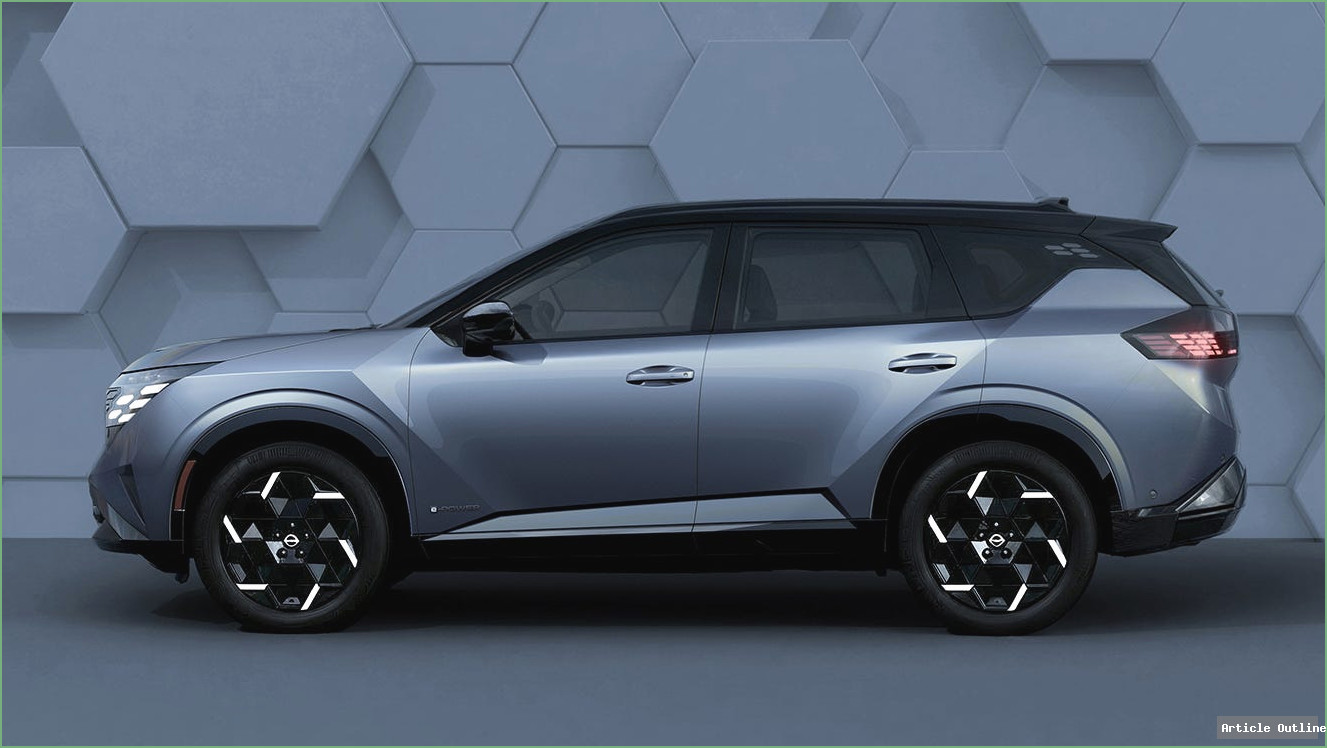
The 2027 Nissan Rogue Hybrid is not just another update in the compact SUV world—it signals a radical shift in how mainstream automakers approach hybrid technology. While rivals like Toyota and Honda have long set the hybrid SUV pace, Nissan’s bold move to a series-hybrid e-Power system could be a game-changer for the segment.
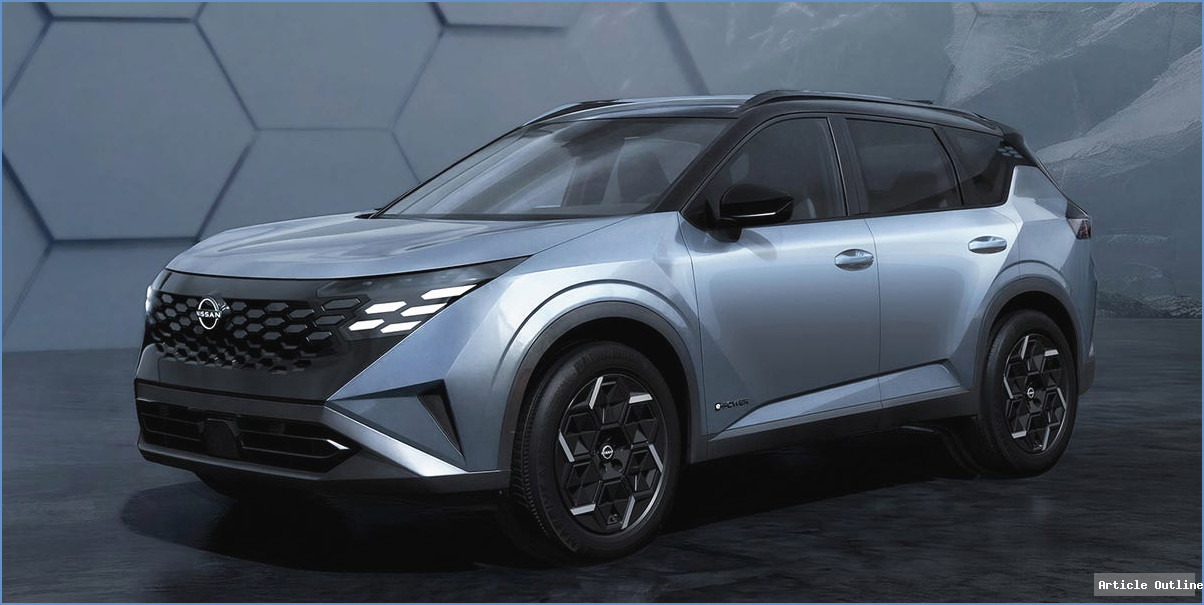
So, what makes the 2027 Rogue Hybrid truly stand out? Let’s peel back the hood and look beyond the buzzwords.

Why This Matters
- Breaks from tradition: Instead of copying the parallel hybrid playbook from Toyota (RAV4) or Hyundai (Tucson), Nissan’s e-Power uses the gas engine only as a generator. The wheels are driven exclusively by electric motors, even though you never need to plug in.
- Bridges the EV gap: For drivers not ready for a full electric vehicle, e-Power delivers that smooth, torquey EV driving feel—without range anxiety or charging logistics.
- Bold design and engineering: Nissan’s willingness to ditch the previous Outlander-based hybrid in favor of a bespoke platform and powertrain signals a new era for the Rogue—and possibly for the brand.
What Most People Miss
- Series-hybrid magic: Many assume all hybrids are created equal, but e-Power’s architecture more closely resembles an EV with an onboard gas generator (think Chevy Volt, but without the plug). This means instant torque at city speeds and a driving experience that feels far more electric than most traditional hybrids can offer.
- Global proof, local impact: The e-Power system isn’t theoretical—Nissan has been selling it successfully in Europe and Asia, with the Qashqai and Note garnering strong reviews for their refined, quiet rides.
- AWD implementation: The 2027 Rogue Hybrid will offer an all-wheel-drive version, something not all competitors do in their hybrid trims, giving it practicality for all climates.
Key Takeaways
- Powertrain: 1.5-liter turbocharged three-cylinder engine (as generator) + two electric motors; all-wheel drive expected.
- No direct engine-to-wheel connection: The gas engine never mechanically drives the wheels—unusual in mainstream hybrids.
- Market positioning: Likely to be priced similarly to current gas Rogues (starting high $20k to low $30k range) and offered in four trims.
- Untapped potential: If Nissan can deliver competitive fuel economy (expecting 35-40 MPG combined), the Rogue Hybrid could become the segment’s new tech darling.
Pros and Cons: The Rogue Hybrid Series-Hybrid Approach
- Pros:
- Smoother, quieter ride than most traditional hybrids
- No need to plug in—always ready to go
- Potentially lower real-world emissions, especially in urban driving
- AWD available for versatility
- Cons:
- Unknown U.S. reliability and long-term costs
- Still dependent on gasoline for longer trips
- Market education challenge: Will buyers understand the difference?
Industry Context: Nissan’s Bold Bet
Nissan is betting big that American buyers are ready for a next-gen hybrid experience. With Toyota’s hybrid SUVs routinely topping sales charts and Honda’s CR-V Hybrid gaining ground, Nissan must both educate and impress. Early reviews of e-Power systems abroad suggest the formula works, but U.S. consumers can be wary of unproven tech. Still, with the EV transition stalling for some, this “electric drive, no plug” approach could be the sweet spot for the next five years.
The Bottom Line
The 2027 Nissan Rogue Hybrid isn’t just new—it’s a potential disruptor. If Nissan nails the execution, it could redefine what Americans expect from a hybrid SUV—delivering EV-like smoothness, real-world practicality, and a taste of the future without the full leap into electrification.